


Best Month Of Code 2020 Coding Kit Products — from techlearning.com by Luke Edwards
The best kits to get the most out of the Month of Code 2020
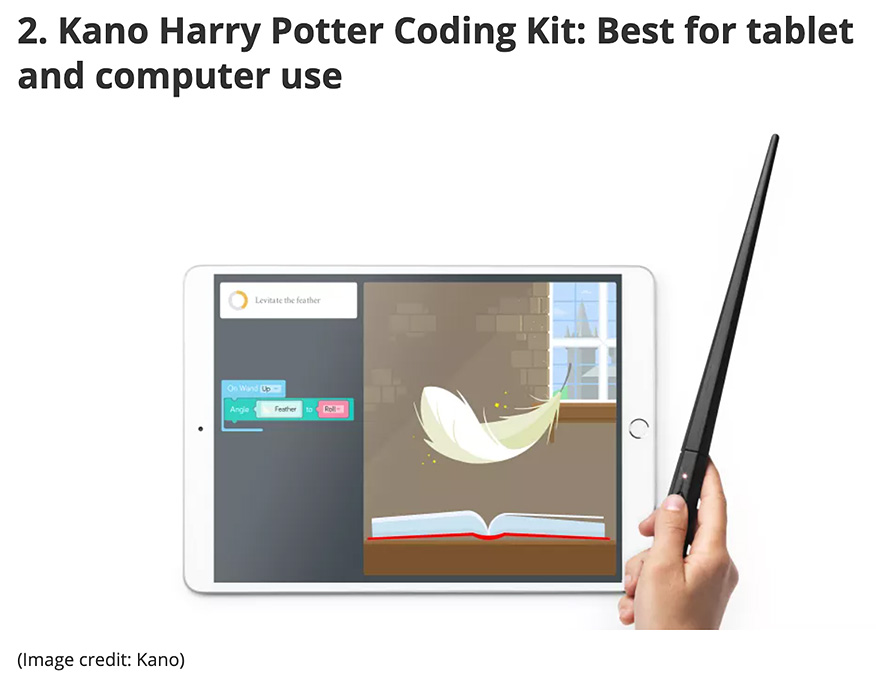
Best Month Of Code 2020 Coding Kit Products — from techlearning.com by Luke Edwards
The best kits to get the most out of the Month of Code 2020
From DSC:
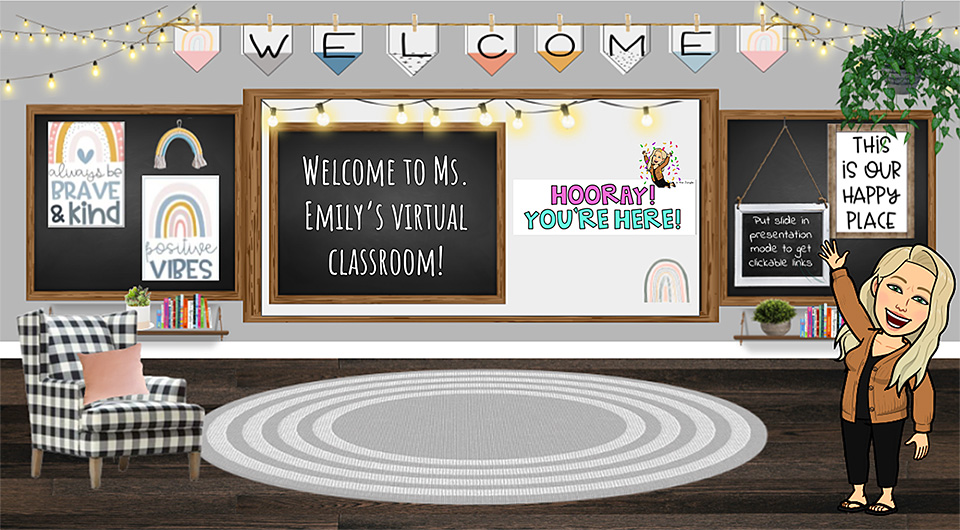
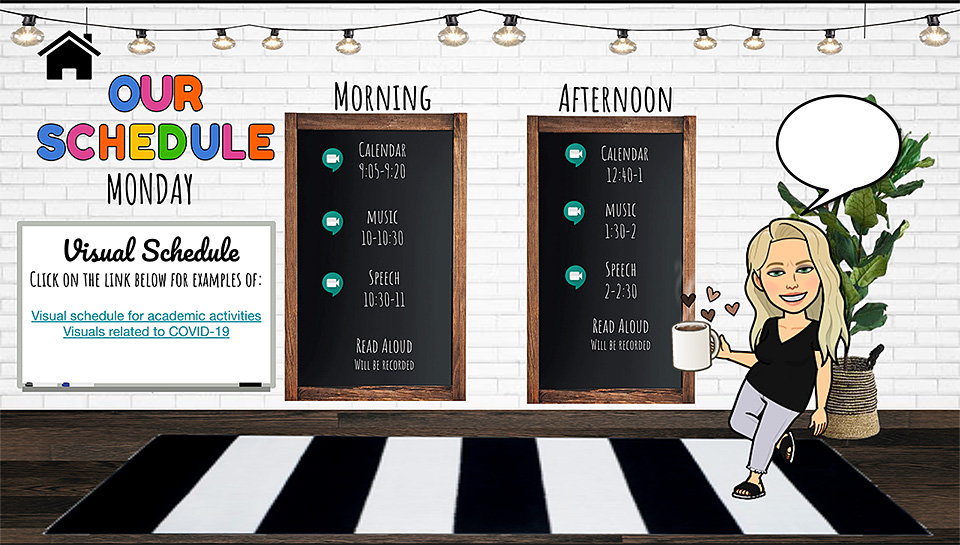
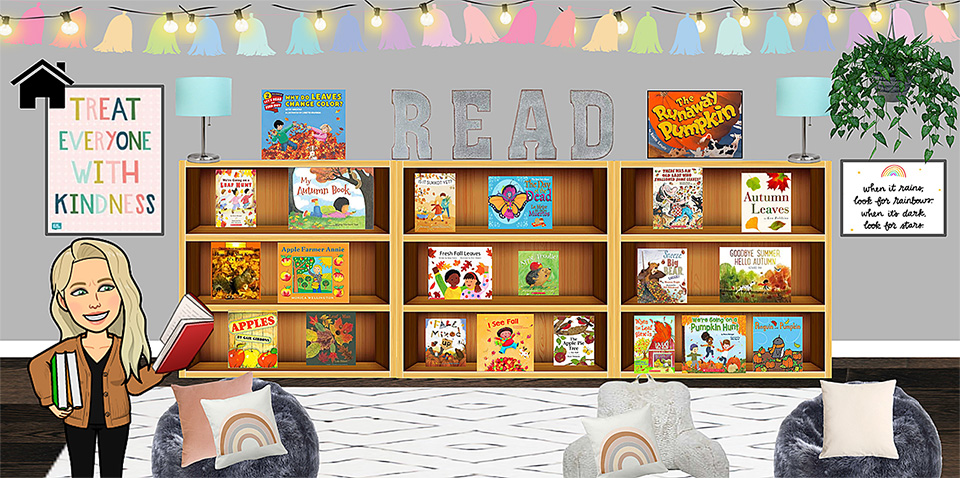
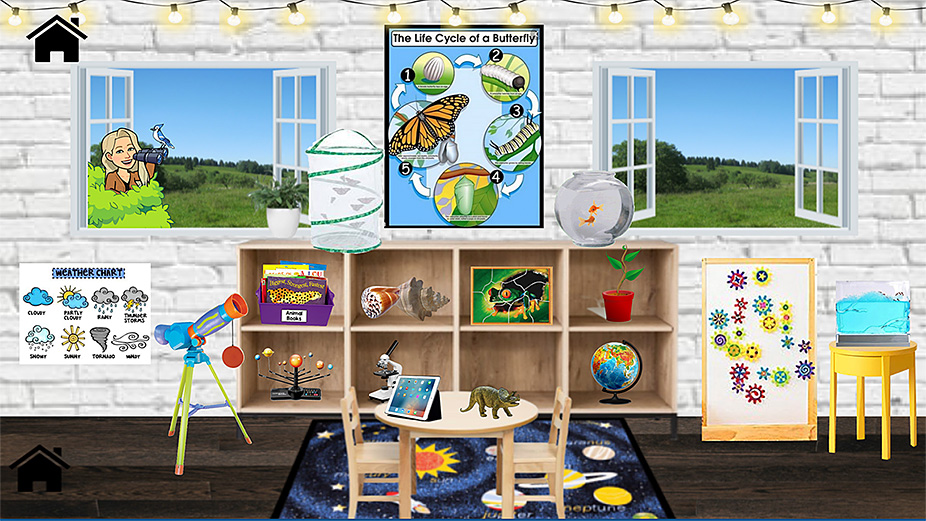
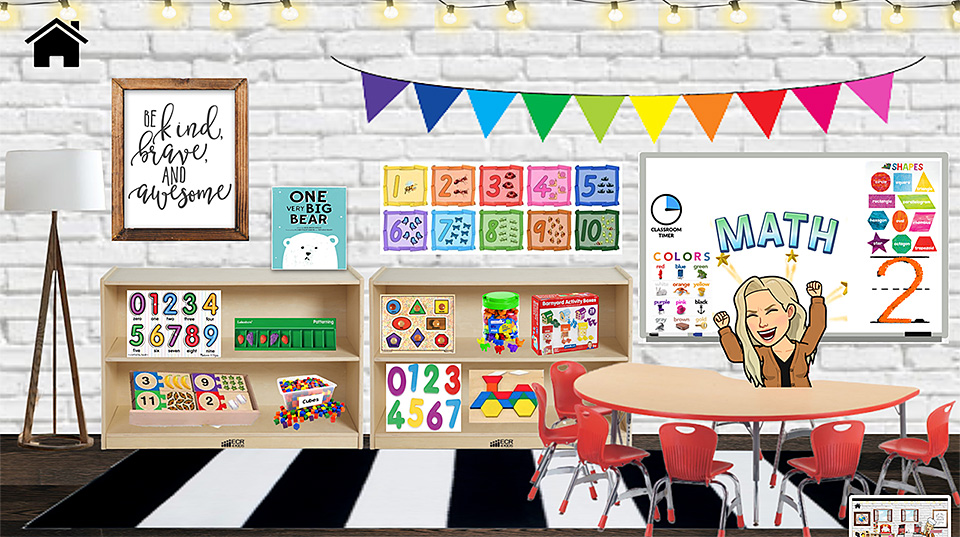
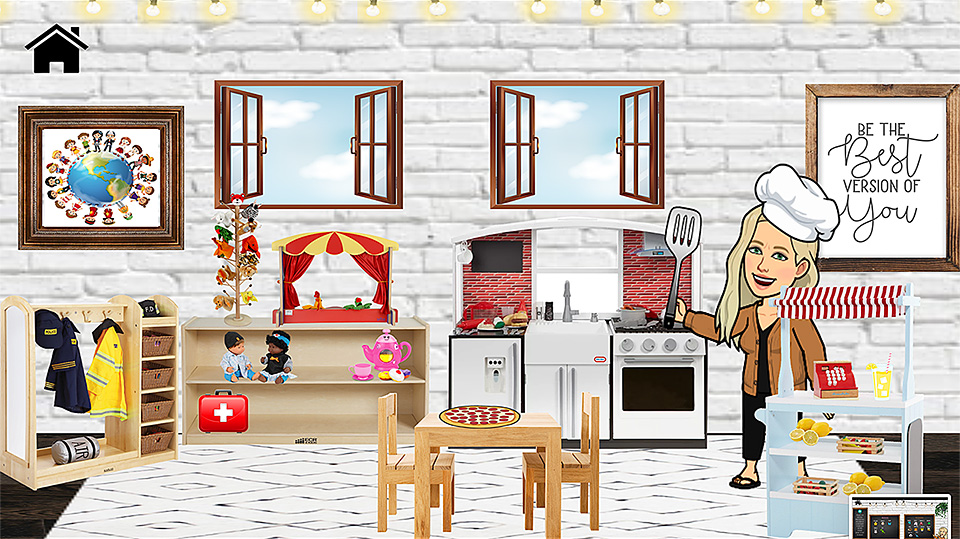
Our oldest daughter showed me a “Bitmoji Classroom” that her mentor teacher — Emily Clay — uses as her virtual classroom. Below are some snapshots of the Google Slides that Emily developed based on the work of:
My hats off to all of these folks whose work laid the foundations for this creative, fun, engaging, easy-to-follow virtual classroom for a special education preschool classroom — complete with ties to videoconferencing functionalities from Zoom. Emily’s students could click on items all over the place — they could explore, pursue their interests/curiosities/passions. So the snapshots below don’t offer the great interactivity that the real deal does.
Nice work Emily & Company! I like how you provided more choice, more control to your students — while keeping them engaged!
From DSC:
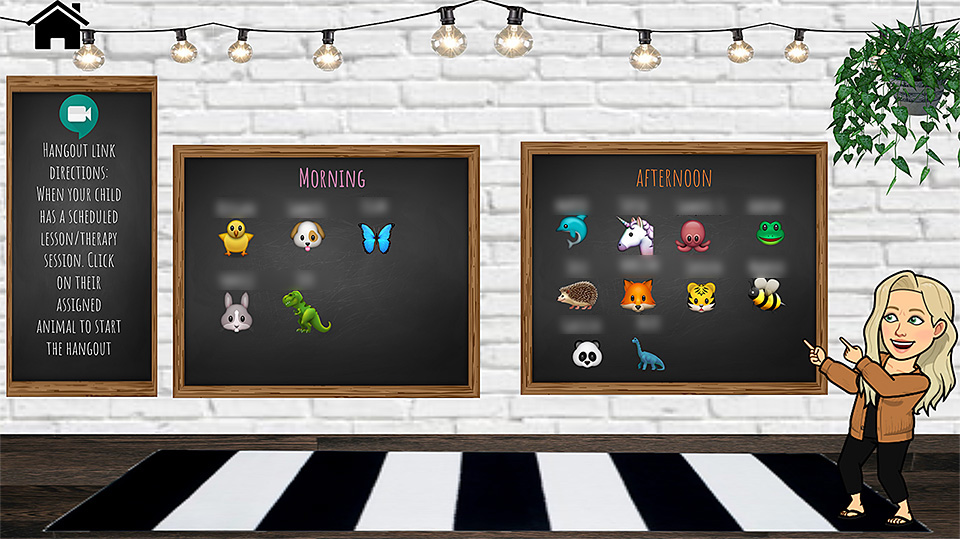
I also like the idea of presenting this type of slide (immediately below, and students’ names have been blurred for privacy’s sake) prior to entering a videoconferencing session where you are going to break out the students into groups. Perhaps that didn’t happen in Emily’s class…I’m not sure, but in other settings, it would make sense to share one’s screen right before sending the students to those breakout rooms and show them that type of slide (to let them know who will be in their particular breakout group).
The students in the different breakout sessions could then collaboratively work on Google Docs, Sheets, or Slides and you could watch their progress in real-time!
Also see:
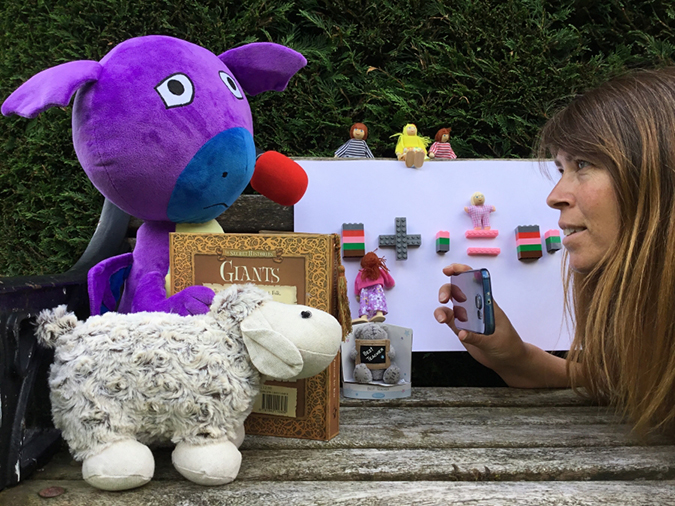
Maths mastery through stop-motion animation — from innovatemyschool.com by Rachel Cully
Do you want your learners to be resilient, confident mathematicians with secure conceptual understanding and a love of Maths? Well, come with me to a land of stories and watch the magic unfold.
Also see:
Temperament-Inclusive Pedagogy: Helping Introverted and Extraverted Students Thrive in a Changing Educational Landscape — from onlinelearningconsortium.org by Mary R. Fry
Excerpt (emphasis DSC):
So how do we take these different approaches to learning into account and foster a classroom environment that is more inclusive of the needs of both extraverts and introverts? Let’s first distinguish between how extraverts and introverts most prefer to learn, and then discuss ways to meet the needs of both. Extraverts tend to learn through active and social engagement with the material (group work, interactive learning experiences, performing and discussing). Verbalizing typically helps extraverts to think through their ideas and to foster new ones. They often think quickly on their feet and welcome working in large groups. It can be challenging for extraverts to generate ideas in isolation (talking through ideas is often needed) and thus working on solitary projects and writing can be challenging.
In contrast, introverts thrive with solitary/independent work and typically need this time to sort through what they are learning before they can formulate their thoughts and articulate their perspectives. Introverted learners often dislike group work (or at least the group sizes and structures that are often used in the classroom (more on this in a moment)) and find their voice drowned out in synchronous discussions as they don’t typically think as fast as their extroverted counterparts and don’t often speak until they feel they have something carefully thought out to share. Introverted learners are often quite content, and can remain attentive, through longer lectures and presentations and prefer engaging with the material in a more interactive way only after a pause or break.
From DSC:
Could/would a next-generation learning platform that has some Artificial Intelligence (AI) features baked into it — working in conjunction with a cloud-based learner profile — be of assistance here?
That is, maybe a learner could self-select the type of learning that they are: introverted or extroverted. Or perhaps they could use a sliding scaled to mix learning activities up to a certain degree. Or perhaps if one wasn’t sure of their preferences, they could ask the AI-backed system to scan for how much time they spent doing learning activities X, Y, and Z versus learning activities A, B, and C…then AI could offer up activities that meet a learner’s preferences.
(By the way, I love the idea of the “think-ink-pair-share” — to address both extroverted and introverted learners. This can be done digitally/virtually as well as in a face-to-face setting.)
All of this would further assist in helping build an enjoyment of learning. And wouldn’t that be nice? Now that we all need to learn for 40, 50, 60, 70, or even 80 years of our lives?

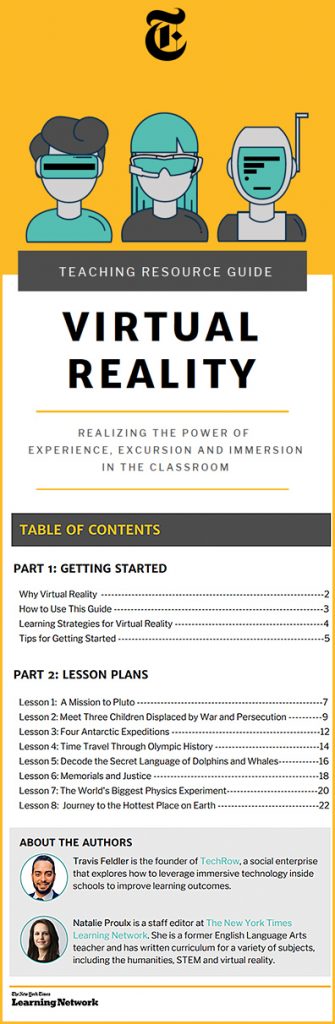
Virtual Reality: Realizing the Power of Experience, Excursion and Immersion in the Classroom — from nytimes.com
A framework for teaching with New York Times 360 V.R. videos, plus eight lesson plans for STEM and the humanities.
A Guide for Using NYT VR With Students
Gift ideas for young geology lovers and rockhounds — from raisinglifelonglearners.com by Colleen Kessler

From DSC…by the way, another title for this blog could have been:
WIN-WIN situations all around! The Theatre Departments out there could collaborate with other depts/disciplines to develop highly engaging, digitally-based learning experiences!
The future of drama and the theatre — as well as opera, symphonies, and more — will likely include a significant virtual/digital component to them. While it’s too early to say that theatre needs to completely reinvent itself and move “the stage” completely online, below is an idea that creates a variety of WIN-WIN situations for actors, actresses, stage designers, digital audio/video editors, fine artists, graphic designers, programmers, writers, journalists, web designers, and many others as well — including the relevant faculty members!
A new world of creative, engaging, active learning could open up if those involved with the Theatre Department could work collaboratively with students/faculty members from other disciplines. And in the end, the learning experiences and content developed would be highly engaging — and perhaps even profitable for the institutions themselves!
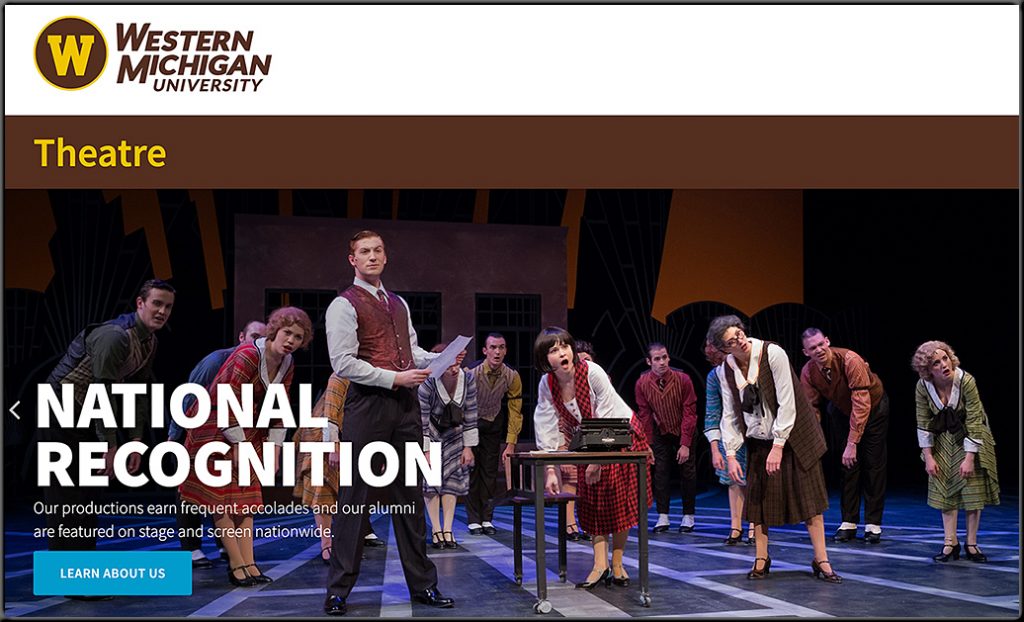
Though the integration of acting with online-based learning materials is not a new idea, this post encourages a far more significant interdisciplinary collaboration between the Theatre Department and other departments/disciplines.
Consider a “Dealing with Bias in Journalism” type of topic, per a class in the Digital Media and Journalism Major.
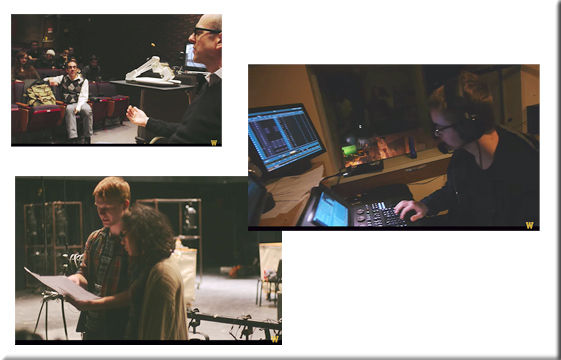
Colleges and universities could share content with each other and/or charge others for their products/content/learning experiences. In the future, I could easily see a marketplace for buying and selling such engaging content. This could create a needed new source of revenue — especially given that those large auditoriums and theaters are likely not bringing in as much revenue as they typically do.
Colleges and universities could also try to reach out to local acting groups to get them involved and continue to create feeders into the world of work.
Other tags/categories could include:
Also see:
What improv taught me about failure: As a teacher and academic — from scholarlyteacher.com by Katharine Hubbard

In improv, the only way to “fail” is to overthink and not have fun, which reframed what failure was on a grand scale and made me start looking at academia through the same lens. What I learned about failure through improv comes back to those same two core concepts: have fun and stop overthinking.
…
Students are more engaged when the professor is having fun with the materials (Keller, Hoy, Goetz, & Frenzel, 2016), and teaching is more enjoyable when we are having fun ourselves.
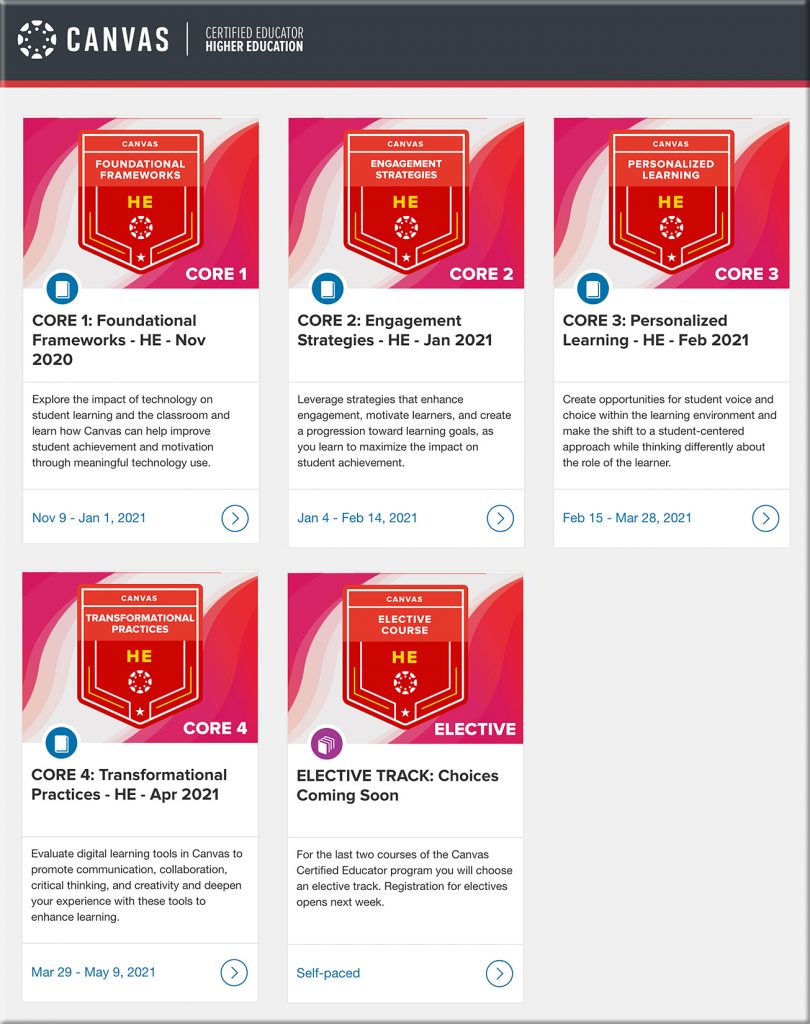
Per “Instructure Launches Canvas Certified Educator Program” out at The Journal by Dian Schaffhauser:
Each course is expected to take about four weeks to finish. They include:

From DSC:
Per Wikipedia, this is a 1910 Model T that was photographed in Salt Lake City:

From DSC:
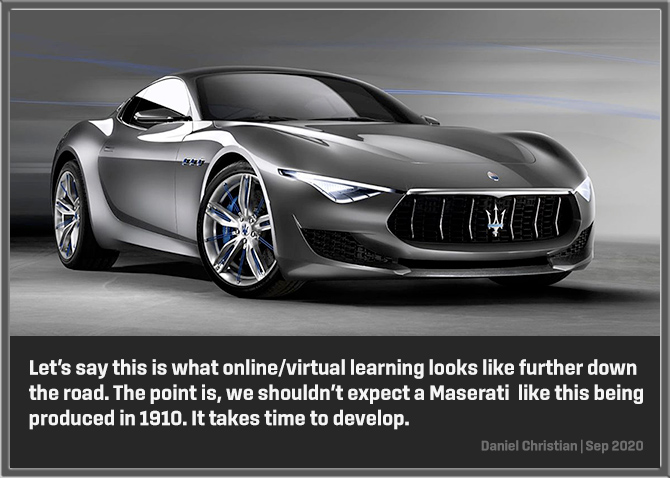
The Ford Model T didn’t start out looking like a Maserati Gran Turismo from 2021! Inventions take time to develop…to be improved…for new and further innovations and experiments to take place.
Thinking of this in terms of online-based learning, please don’t think we’ve reached the end of the road for online-based learning.
The truth is, we’ve barely begun our journey.
Two last thoughts here
1 ) It took *teams* of people to get us to the point of producing a Maserati like this. It will take *teams* of people to produce the Maserati of online-based learning.
2) In terms of online-based learning, it’s hard to say how close to the Maserati that we have come because I/we don’t know how far things will go. But this I do know: We have come a looooonnnnnggggg ways from the late 1990s! If that’s what happened in the last 20 years — with many denying the value of online-based learning — what might the next 5, 10, or 20 years look like when further interest, needs, investments, etc. are added? Then add to all of that the momentum from emerging technologies like 5G, Augmented Reality, Mixed Reality, Virtual Reality, Artificial Intelligence, bots, algorithms, and more!
From DSC:
To drive the point home, here’s an addendum on late 9/29/20:

From DSC: What if each learner/person/student could have a lifelong, cloud-based “tribute” site?
What if you could hire a career coach to sift through the tributes to find common themes?
From DSC:
I recently asked friends and family to help me celebrate a significant birthday for my wife by creating a tribute for her — using a service called Tribute.co. It was a fun, meaningful, relational experience — it opened the doors to some great communications.

Here’s a video that describes what a Tribute is (from the company of that same name).
So I put out potential suggestions for what I hoped that we could relay to my wife, and people contributed their videos. Then a person at Tribute edited the videos to come up with a highlight reel. They also presented to my wife all of the videos, not just the highlight reel.
That got me to wonder, “What if each learner had a cloud-based, lifelong tribute site that parents, guardians, grandparents, teachers, coaches, musical directors, pastors, friends, and others could leave encouraging and instructive messages on? Or when they note something that might be of use later on in terms of career selection, they could “jot it down.” For example:
The idea behind such a service would be to offer encouragement, feedback, (if carefully put) constructive criticism, a message that “I’m on your team”…and/or…”Here’s what I see in you.”
Additional functionality/options