“Winter wonderland ” by Peter Zajfrid #500px https://t.co/Mi8taAvhEv
— Daniel Christian (he/him/his) (@dchristian5) December 17, 2020
From DSC:
And here’s another interesting picture/item:
“Winter wonderland ” by Peter Zajfrid #500px https://t.co/Mi8taAvhEv
— Daniel Christian (he/him/his) (@dchristian5) December 17, 2020
From DSC:
And here’s another interesting picture/item:
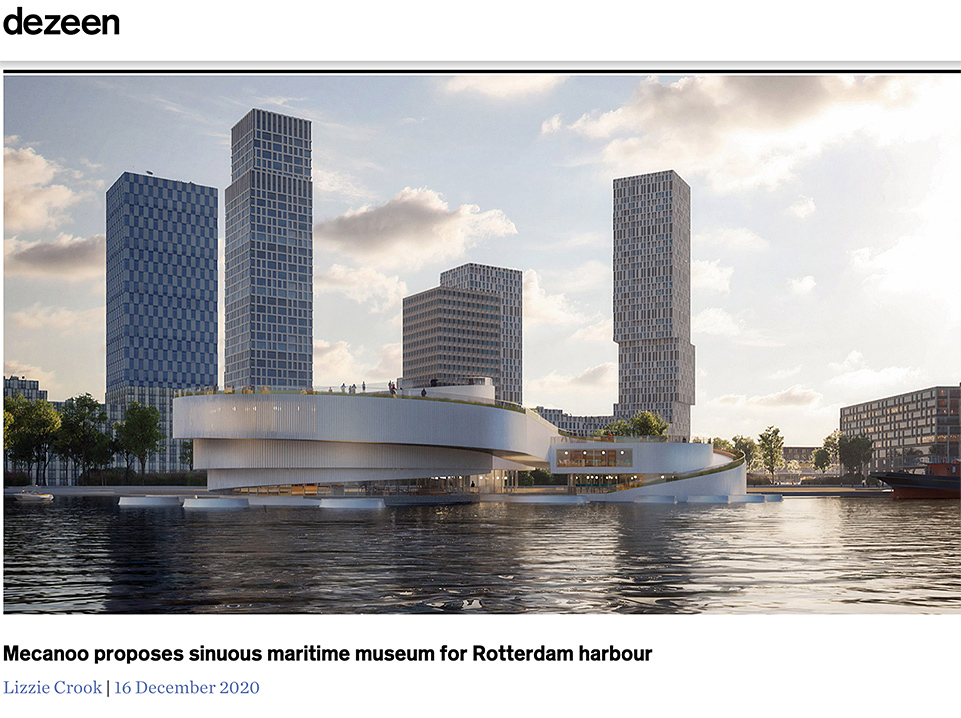
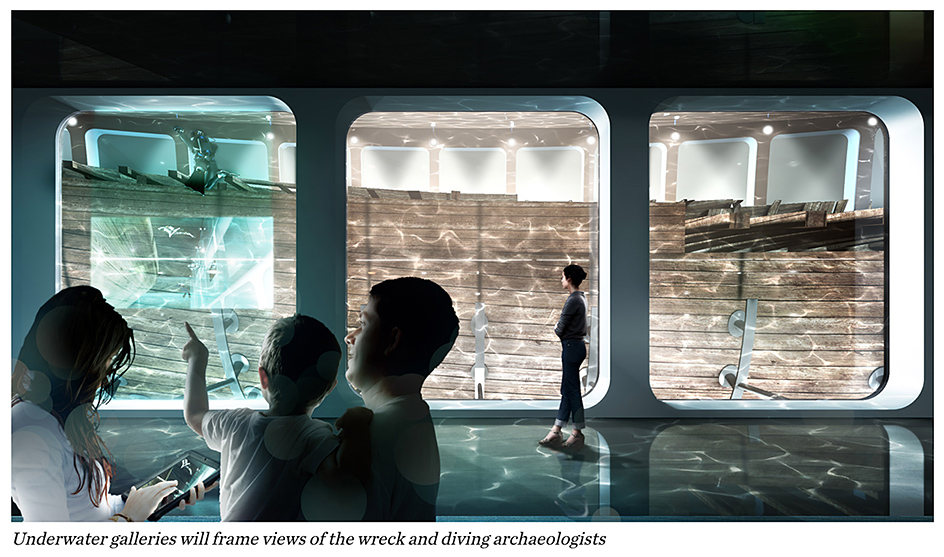
ZJA to create museum around underwater 18th-century shipwreck — from dezeen.com by Lizzie Crook
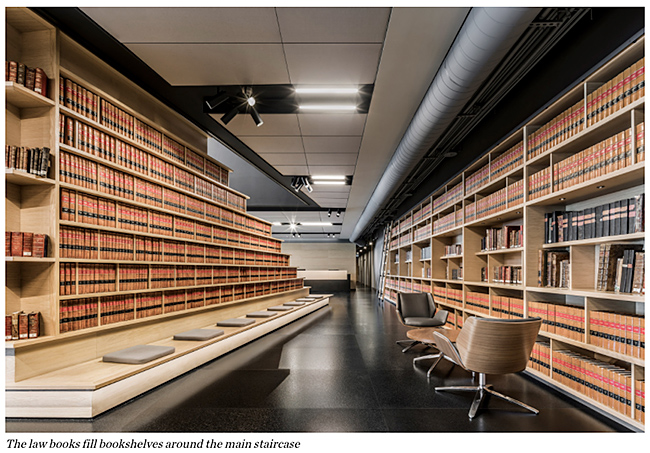
Library of law books wraps staircase in Mexico City office designed by Esrawe Studio — from dezeen.com by Eleanor Gibson
From DSC:
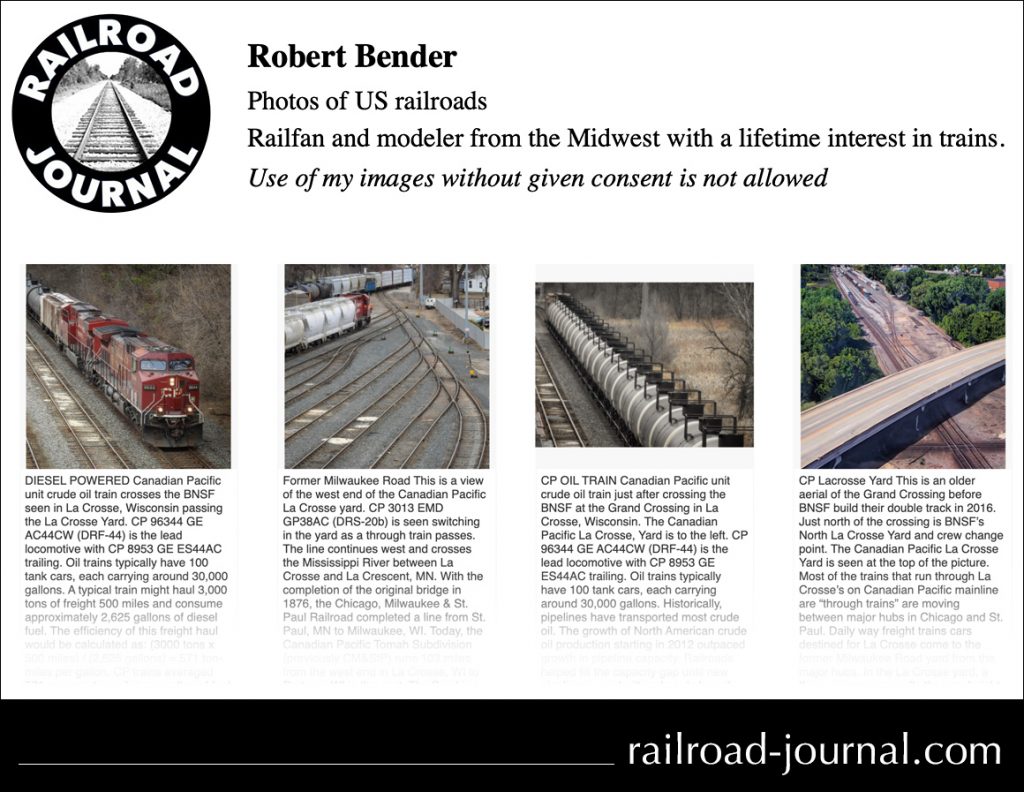
My brother-in-law, Bob Bender, captures a lot of great trains out at railroad-journal.com. He has an artistic way of capturing the scenes and he provides a lot of interesting background/information for each picture. If you like trains, you should check his site out!
Sweeping Gestures of Negative Space and Typography Complete Bronze Works by Jesús Curiá — from thisiscolossal.com by Grace Ebert

Dizzying Kinetic Sculptures by Anthony Howe Billow and Writhe in the Wind — from thisiscolossal.com by Grace Ebert

From DSC:
As readers of this blog know, I’m highly suspect about the future use of drones — especially from many large companies who might each develop their own army of drones and fill the skies with their sites and sounds. But below, you will see a very creative, cool use of drones (which is akin to many of the aerial pics/angles we see these days).
Long-Exposure Drone Photography — from theawesomer.com by Reuben Wu


From DSC:
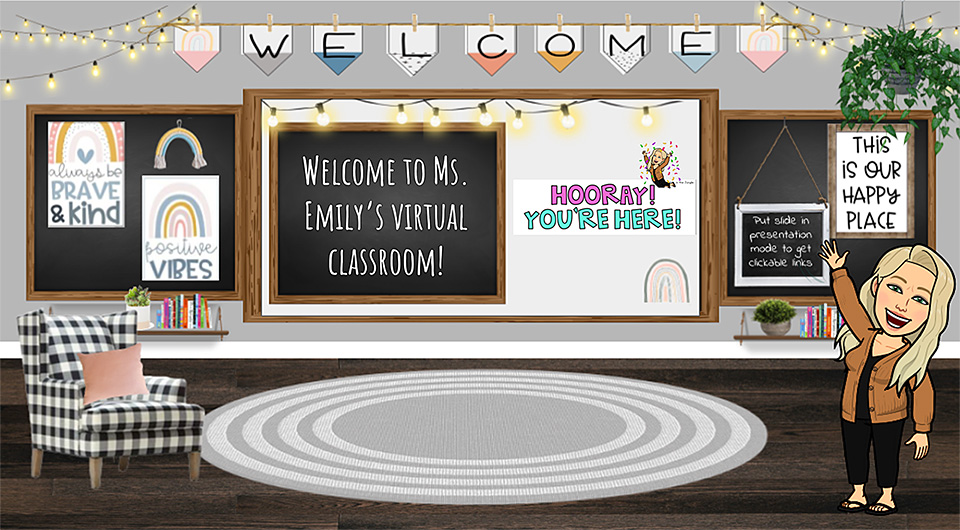
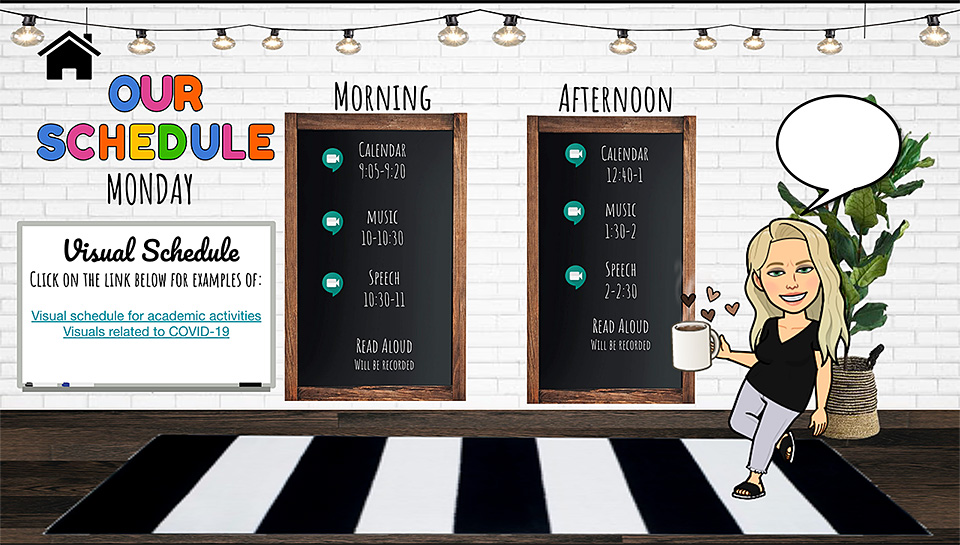
Our oldest daughter showed me a “Bitmoji Classroom” that her mentor teacher — Emily Clay — uses as her virtual classroom. Below are some snapshots of the Google Slides that Emily developed based on the work of:
My hats off to all of these folks whose work laid the foundations for this creative, fun, engaging, easy-to-follow virtual classroom for a special education preschool classroom — complete with ties to videoconferencing functionalities from Zoom. Emily’s students could click on items all over the place — they could explore, pursue their interests/curiosities/passions. So the snapshots below don’t offer the great interactivity that the real deal does.
Nice work Emily & Company! I like how you provided more choice, more control to your students — while keeping them engaged!
From DSC:
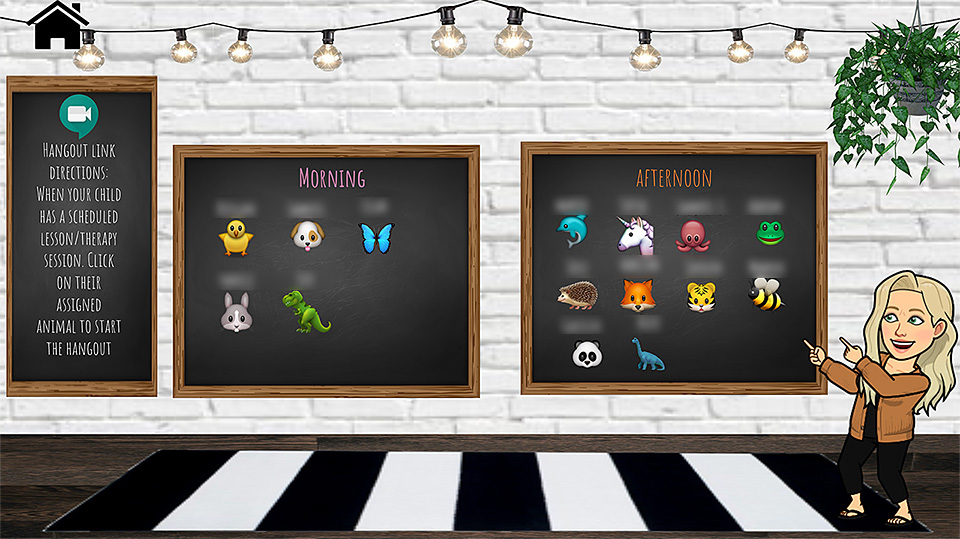
I also like the idea of presenting this type of slide (immediately below, and students’ names have been blurred for privacy’s sake) prior to entering a videoconferencing session where you are going to break out the students into groups. Perhaps that didn’t happen in Emily’s class…I’m not sure, but in other settings, it would make sense to share one’s screen right before sending the students to those breakout rooms and show them that type of slide (to let them know who will be in their particular breakout group).
The students in the different breakout sessions could then collaboratively work on Google Docs, Sheets, or Slides and you could watch their progress in real-time!
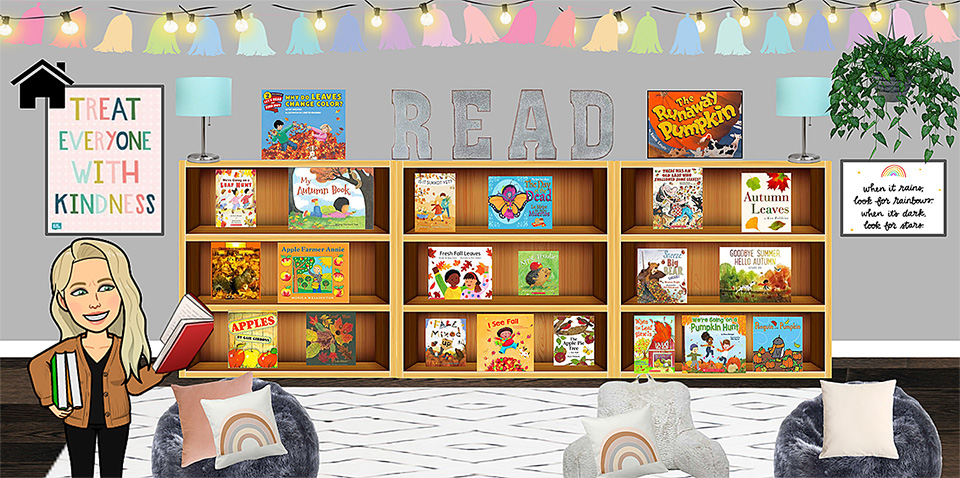
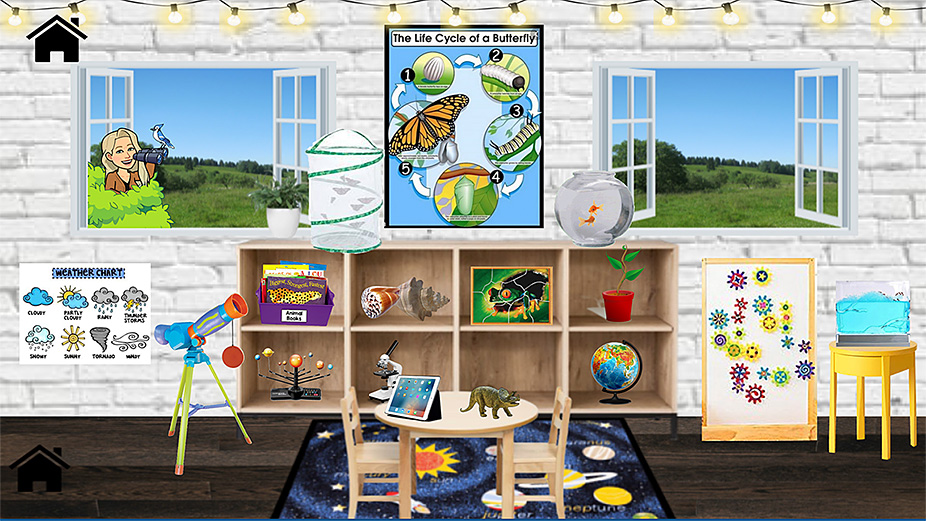
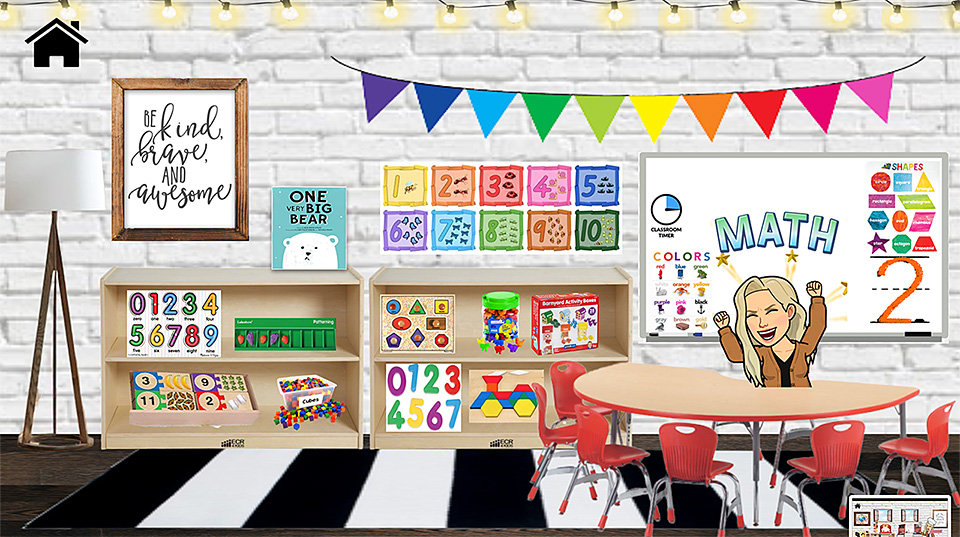
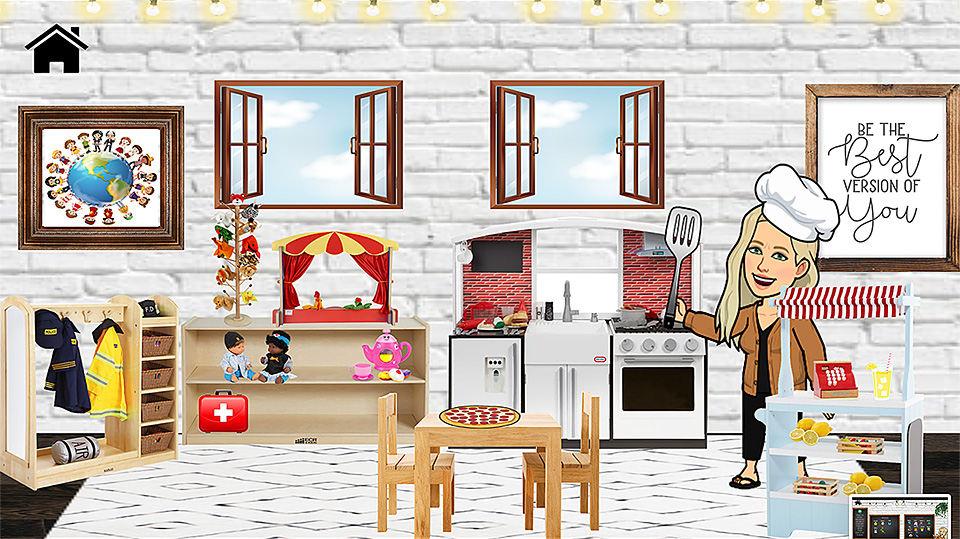
Also see:
From DSC:
Our oldest daughter told me about this great/cool WIN-WIN situation here! I thought it was so cool, that I wanted to pass it along. What a great way to help communities, students, folks who want to read/write/produce art and more!
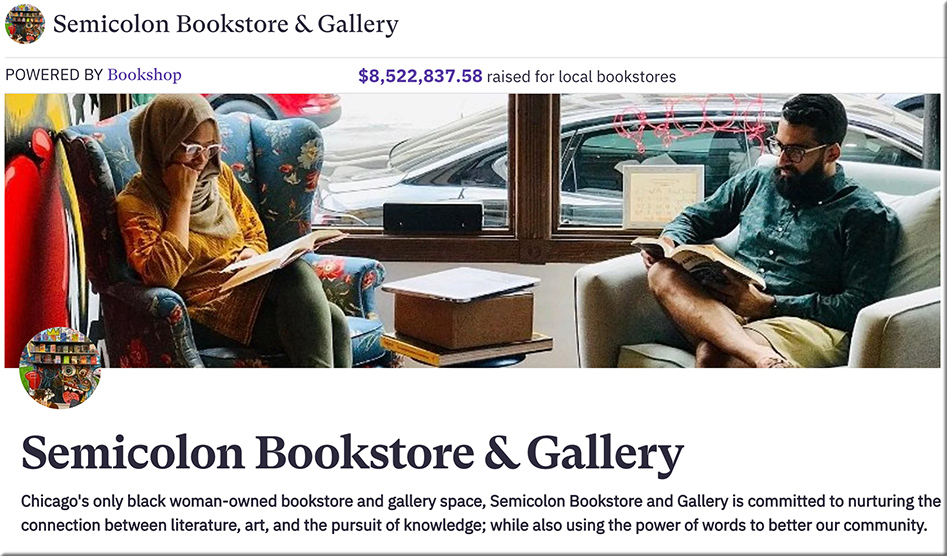
Powered by Bookshop: Supporting local, independent bookstores.
Chicago’s only black woman-owned bookstore and gallery space, Semicolon Bookstore and Gallery is committed to nurturing the connection between literature, art, and the pursuit of knowledge; while also using the power of words to better our community.
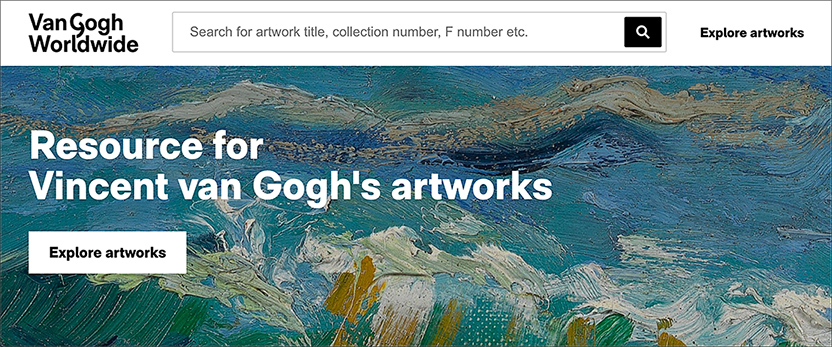
The new digital platform Van Gogh Worldwide [was launched 11/5/20]. It is a unique, innovative platform publishing information to a high academic standard, and brings together art-historical and technical information about the work of Vincent van Gogh (1853-1890).
The RKD – Netherlands Institute for Art History, the Van Gogh Museum and the Kröller-Müller Museum are the three founding partners of Van Gogh Worldwide. They each possess detailed information on Van Gogh’s work, and they have pooled their expertise to make data available in digital form. The platform has been constructed in collaboration with a large number of partners including museums, private individuals and research institutions, especially the Cultural Heritage Laboratory of the Cultural Heritage Agency of the Netherlands.
From DSC:
I remember doing a major paper on Vincent Van Gogh in high school. So I thought this was pretty cool. It surely would have helped me at that time…and the site should help many other students in the future.
Addendum on 11/14/20:
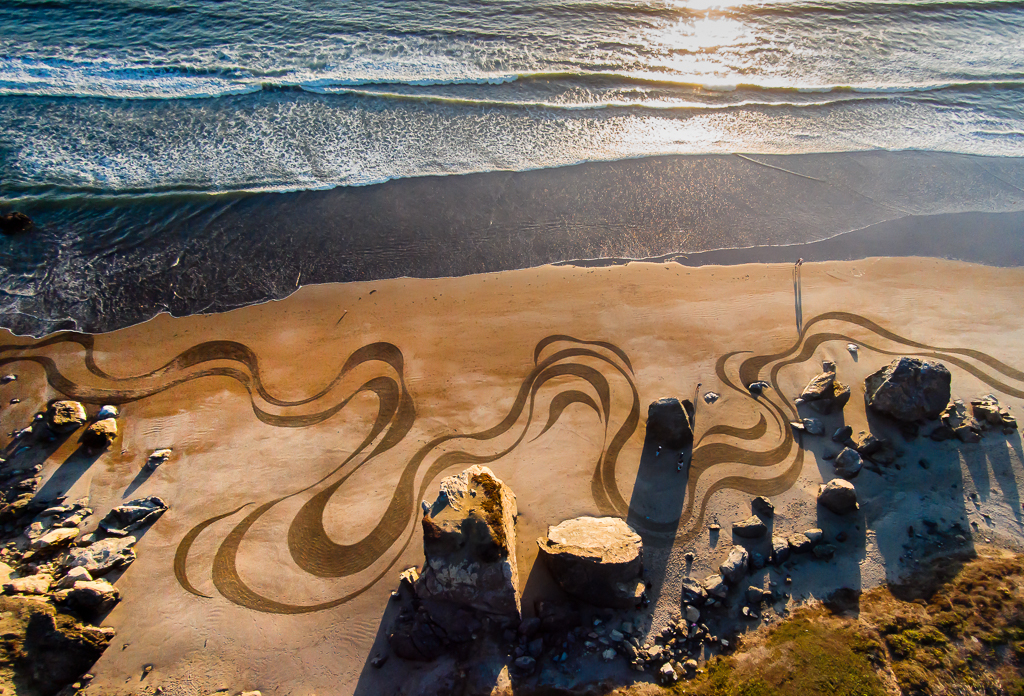
Sand Art on Californian Beaches — from fubiz.net by Andres Amador
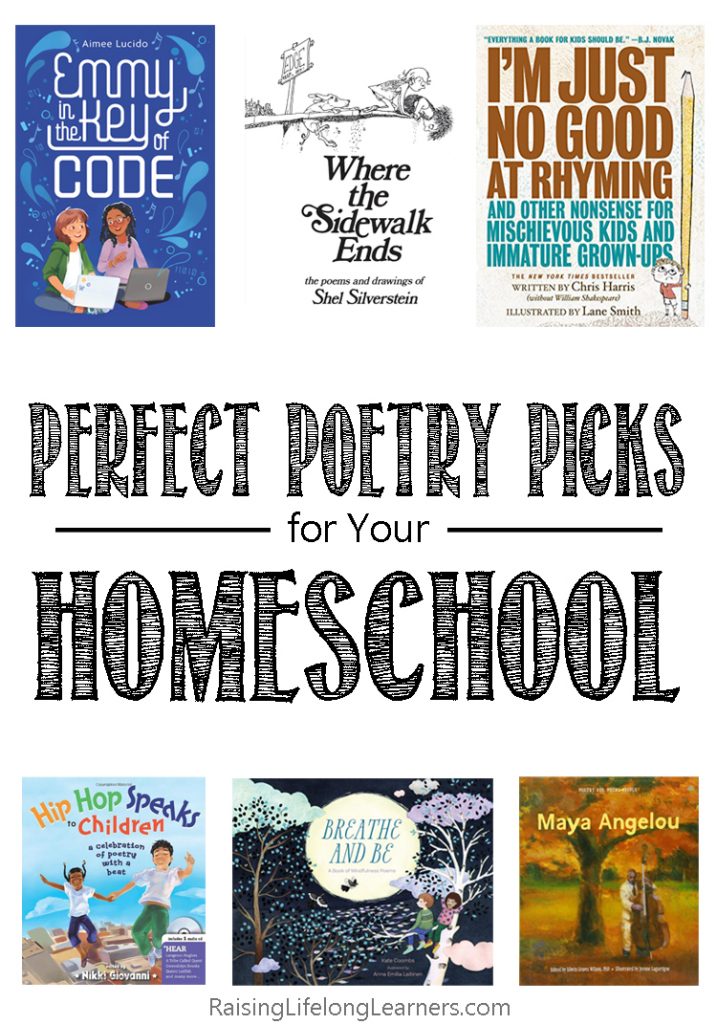
Perfect poetry picks for your homeschool — from raisinglifelonglearners.com by Colleen Kessler
From DSC…by the way, another title for this blog could have been:
WIN-WIN situations all around! The Theatre Departments out there could collaborate with other depts/disciplines to develop highly engaging, digitally-based learning experiences!
The future of drama and the theatre — as well as opera, symphonies, and more — will likely include a significant virtual/digital component to them. While it’s too early to say that theatre needs to completely reinvent itself and move “the stage” completely online, below is an idea that creates a variety of WIN-WIN situations for actors, actresses, stage designers, digital audio/video editors, fine artists, graphic designers, programmers, writers, journalists, web designers, and many others as well — including the relevant faculty members!
A new world of creative, engaging, active learning could open up if those involved with the Theatre Department could work collaboratively with students/faculty members from other disciplines. And in the end, the learning experiences and content developed would be highly engaging — and perhaps even profitable for the institutions themselves!
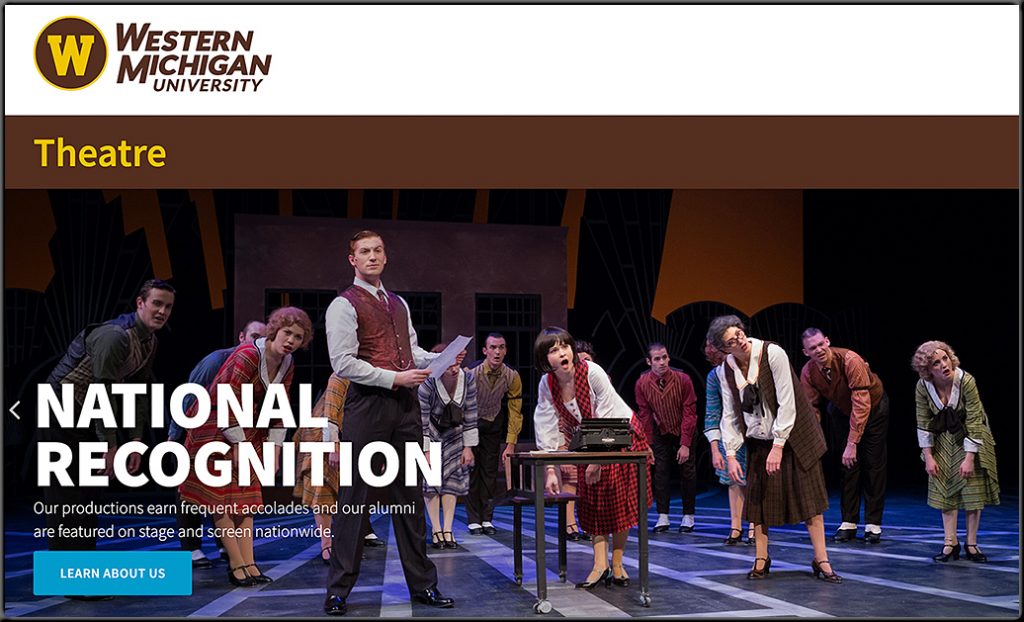
Though the integration of acting with online-based learning materials is not a new idea, this post encourages a far more significant interdisciplinary collaboration between the Theatre Department and other departments/disciplines.
Consider a “Dealing with Bias in Journalism” type of topic, per a class in the Digital Media and Journalism Major.
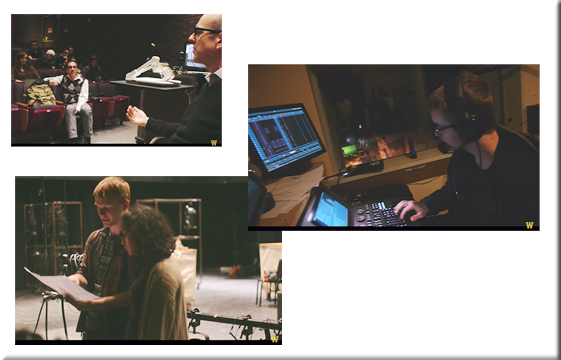
Colleges and universities could share content with each other and/or charge others for their products/content/learning experiences. In the future, I could easily see a marketplace for buying and selling such engaging content. This could create a needed new source of revenue — especially given that those large auditoriums and theaters are likely not bringing in as much revenue as they typically do.
Colleges and universities could also try to reach out to local acting groups to get them involved and continue to create feeders into the world of work.
Other tags/categories could include:
Also see:
What improv taught me about failure: As a teacher and academic — from scholarlyteacher.com by Katharine Hubbard
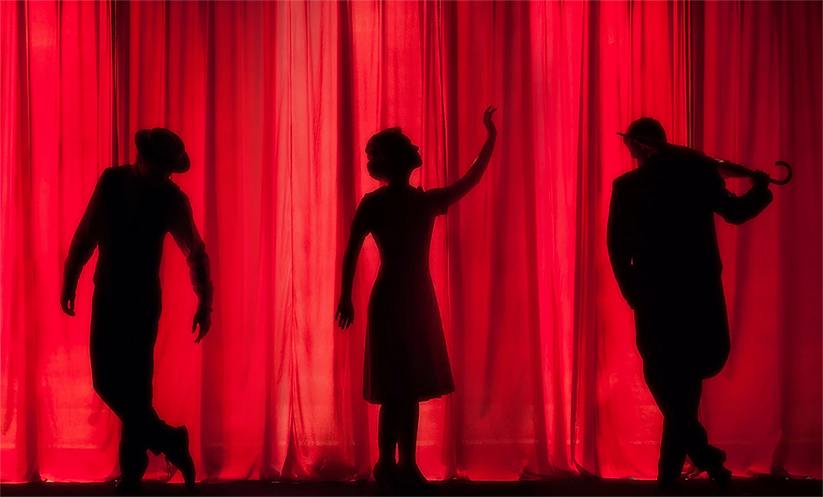
In improv, the only way to “fail” is to overthink and not have fun, which reframed what failure was on a grand scale and made me start looking at academia through the same lens. What I learned about failure through improv comes back to those same two core concepts: have fun and stop overthinking.
…
Students are more engaged when the professor is having fun with the materials (Keller, Hoy, Goetz, & Frenzel, 2016), and teaching is more enjoyable when we are having fun ourselves.
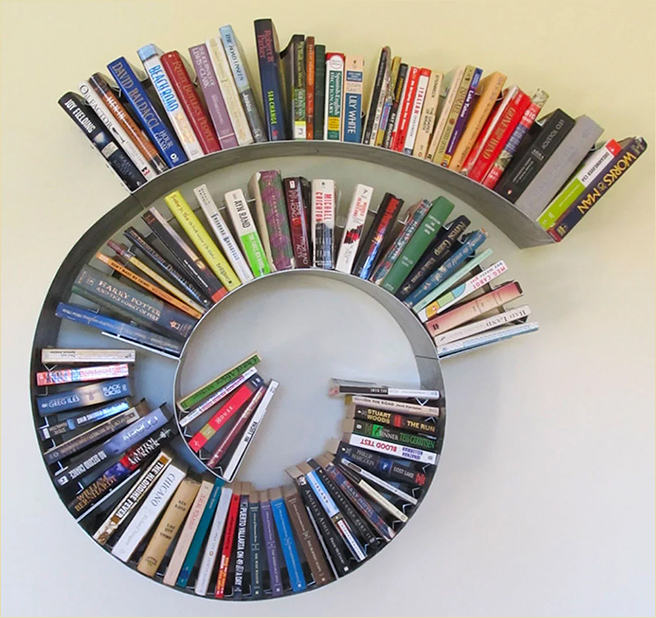
Arc, Spiral, and Curve Bookshelves — from theawesomer.com by Brianna Kufa