Cisco and Google join forces to transform the future of hybrid work — from blog.webex.com by Kedar Ganta

Cisco and Google join forces to transform the future of hybrid work

Excerpts:

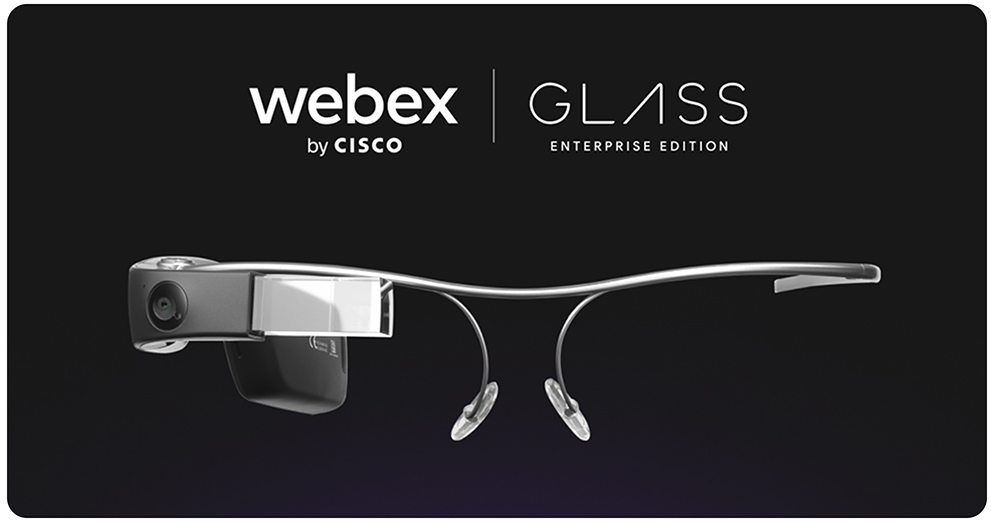
Webex [on 12/7/21] announced the public preview of its native meeting experience for Glass Enterprise Edition 2 (Glass), a lightweight eye wearable device with a transparent display developed by Google. Webex Expert on Demand on Glass provides an immersive collaboration experience that supports natural voice commands, gestures on touchpad, and head movements to accomplish routine tasks.


Teaching in the ‘Metaverse’? Roblox Looks to Make It a Reality — from edweek.org by Benjamin Herold
With millions in new grants to STEM organizations like Project Lead the Way, the gaming platform is moving into K-12 education.

Excerpts:

Hoping to expand its presence in K-12 schools, gaming company Roblox announced this month a new $10 million fund to support the creation of online learning experiences that take advantage of its platform’s unique way of letting users play, explore, and socialize in an endlessly evolving virtual world.
…
Roblox aims to play a major role in the emerging metaverse. Expanding into classroom education is a key vehicle for making that happen, Kantar told investors at a November conference. The company’s stated goal is to reach 100 million students worldwide by the end of the decade.

Making such inroads with K-12 schools, however, is no sure bet.

Also see:

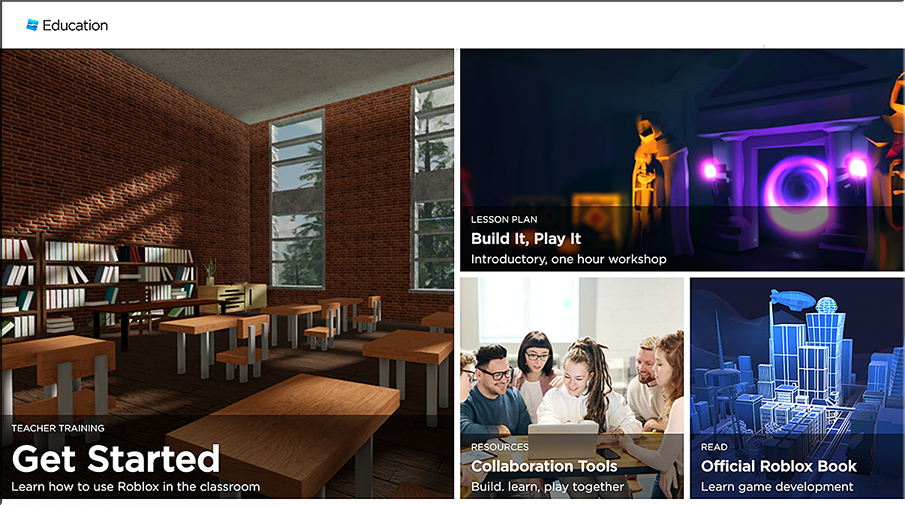
Roblox Education


VRJAM -- the metaverse platform for music

The VRJAM metaverse platform is coming to transform the world of live entertainment 

VRJAM, the UK’s leading creator of live music experiences in virtual reality, today teased the launch of the VRJAM platform, a revolutionary new metaverse events platform and NFT creation solution. 

To bring the VRJAM metaverse platform to life, VRJAM has partnered with market leading NFT software developer Enjin.io to launch a rich virtual reality world that offers a host of new solutions for artists to render and monetize their music and live shows in amazing new ways using NFT’s, blockchain and immersive technology.  

The VRJAM platform promises to open up completely new ways for both fans and artist to experience live music events and represents the next step in the evolution of live music. 

Ownership of this virtual world will be shared by a guild of globally recognised artists and record labels who will cooperate to create value and define new possibilities for music inside the metaverse. 

VRJAM’s metaverse platform offers solutions for true live performance using technology that is years ahead of other similar platforms. It provides unsurpassed user experience and offers fans, artists and labels an array of unique features:
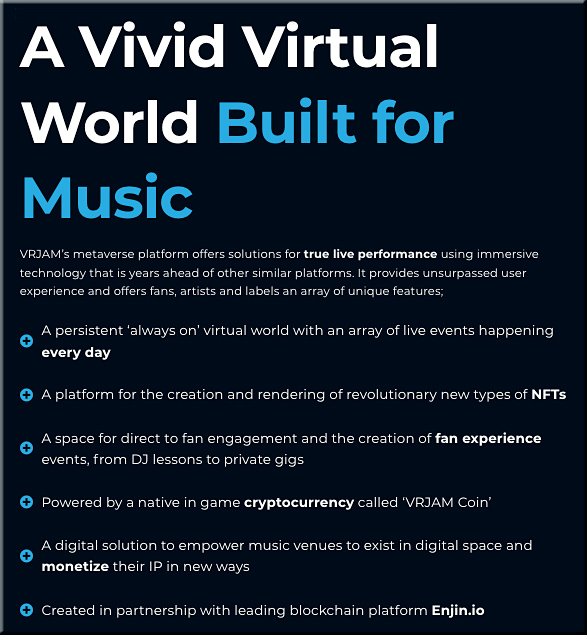
VRJAM's metaverse -- a vivid virtual world built for music

At the heart of the VRJAM metaverse platform is a blockchain based trading and finance system, VRJAM Coin. This revolutionary new cryptocurrency will create ways for both artists and fans to earn money inside the metaverse and promises to create entirely new business models for artists, venues and labels at a time when their traditional ways of making money have been turned upside down by the Covid 19 pandemic. 

The VRJAM cryptocurrency is backed by investment from 5 of the world’s leading blockchain specialist investment and venture capital firms, demonstrating the exciting potential of VRJAM’s tech.

The VRJAM platform is scheduled to go live in early 2022, follow on social media to stay up to date.


From DSC:
Hmmmmm….might this type of thing spill over into the worlds of teaching and learning? More direct-to-consumer (learner) types of offerings? Will this open up the doors for new methods of earning a living or for  those interested in building a teaching & learning-based brand?

Alternatively, will this impact what actors, actresses, and comedians will be able to do?


Addendum on 12/2/21:


The State of Student Success & Engagement in Higher Education -- from Instructure

The State of Student Success & Engagement in Higher Education — from instructure.com (authors of the Canvas LMS)
Our 2021 Global Student engagement and success study uncovers vital stats and key trends to help education institutions thrive through today’s education challenges.

Excerpt:

  • Connect students with alumni and potential employers through virtual networking, internships/externships, mentorship programs, and strategic partnerships.
  • Align curriculum with workforce outcomes and offer opportunities for students to showcase skill sets.
  • Close the perceived awareness gap of work/career readiness programs on campus with alumni programming highlighting the success of campus career resources.
  • Embed career exploration throughout the higher education experience and provide actionable insights into employment trends.


How digital twins could transform healthcare — from raconteur.com by Rich McEachran
Digital twins could have life-changing effects, impacting everything from clinical trials to bed management. However, there are challenges ahead for the virtual technology.

Excerpt:

Digital twins are well known in engineering and manufacturing. However, scientists are now deploying the technology in the medical realm, modelling the effectiveness of existing drugs against new diseases.

Scientists and medical researchers often seek to treat patients by examining the efficacy of existing drugs. That’s what happened when Covid-19 first arrived. Global analytics company Elsevier and ExactCure, a startup providing software solutions to reduce the impact of inaccurate medication, came together in April 2020 to build a digital twin that could model patient reactions to 20 approved drugs.

But what is a digital twin? In essence, they’re virtual representations and simulations of a physical asset or entity. For example, pharmaceutical giant GSK has piloted a replica of its vaccine production process to improve operations and future vaccine development.


Native American Students Build STEM Skills While Exploring Their Cultural Stories with VR/AR Design Projects — from campustechnology.com by Mary Grush and Tilanka Chandrasekera

Excerpt:

Through a $1.5million, four-year NSF grant, Oklahoma State University researchers are leveraging their earlier work with proven, college-level design courses that incorporate VR, AR, and 3D printing technologies. But this time, they are helping underserved Native American middle school students develop STEM skills.

Here, Campus Technology talks with Principal Investigator Dr. Tilanka Chandrasekera, who is an endowed professor at OSU and director of the Mixed Reality Lab, to find out more about the grant that the NSF titled, “Engaging Native American Students in STEM Career Development Through a Culturally Responsive After School Program Using Virtual Environments and 3D Printing.”


NVIDIA OMNIVERSE: Creating and Connecting Virtual Worlds

A NEW ERA OF 3D DESIGN COLLABORATION AND SIMULATION
NVIDIA Omniverse™ is an easily extensible, open platform built for virtual collaboration and real-time physically accurate simulation. Creators, designers, researchers, and engineers can connect major design tools, assets, and projects to collaborate and iterate in a shared virtual space. Developers and software providers can also easily build and sell Extensions, Apps, Connectors, and Microservices on Omniverse’s modular platform to expand its functionality.


Also see:


The Metaverse is Taking Over the Physical World — from interestingengineering.com by Rupendra Brahambhatt; with thanks to Dan Lejerskar for this resource
The virtual world is expanding with real world avatars and digital economy.

Excerpt:

The advent of AR, blockchain, and VR devices in the last few years has sparked the development of the metaverse. Moreover, the unprecedented growth of highly advanced technologies in the gaming industry, which offer immersive gameplay experiences, not only provides us a glimpse of how the metaverse would look like but also indicates that we are closer than ever to experience a virtual world of our own.

What is the metaverse?

The Metaverse is Taking Over the Physical WorldSource: Kelvin Han/Unsplash

A metaverse is a group of persistent, shared 3D virtual environments where you (in the form of your digital avatar) can visit places, shop for products, subscribe to services, work with your colleagues, play games, and even customize the scenes around you to meet your personal tastes and requirements, and the digital assets you own. So essentially, a metaverse is a virtual world or worlds, that would allow you to go inside the digital world — to be in rather than on the digital space.


From DSC:
Again I wonder….on the legal side of things…how will this impact what lawyers, judges, legislators, general counsels, and more need to know? Along these lines see:

To do this well, legal department heads and the lawyers and professionals in the department will have to learn, and practice, some new skills: embracing technology, project management, change management, and adaptability.
…
The first, and likely most obvious, skill an attorney needs in a rapidly evolving business environment is a firm grasp on existing and emerging technology. There are two important categories of technology to consider—the first is legal technology and the second is broader technology trends.


BlueJeans Video Conferencing Giant to Launch Native Google Glass App for Remote Assistance — from next.reality.news by Adario Strange

Excerpt:

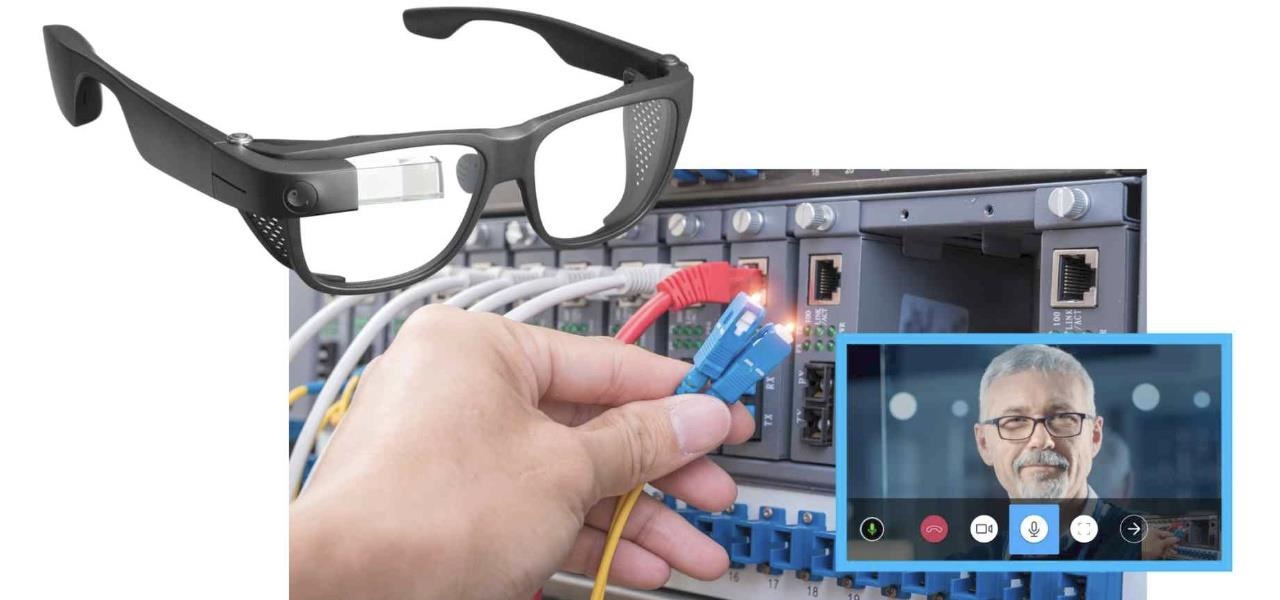
Starting in 2022, Glass Enterprise Edition 2 users will have the option of using a native version of the BlueJeans meeting software.

Like other enterprise AR wearables on the market, the primary use case for the dynamic will be in the realm of remote assistance, in which an expert in a faraway location can see what a Google Glass wearer sees and advise that team member accordingly.

From DSC:
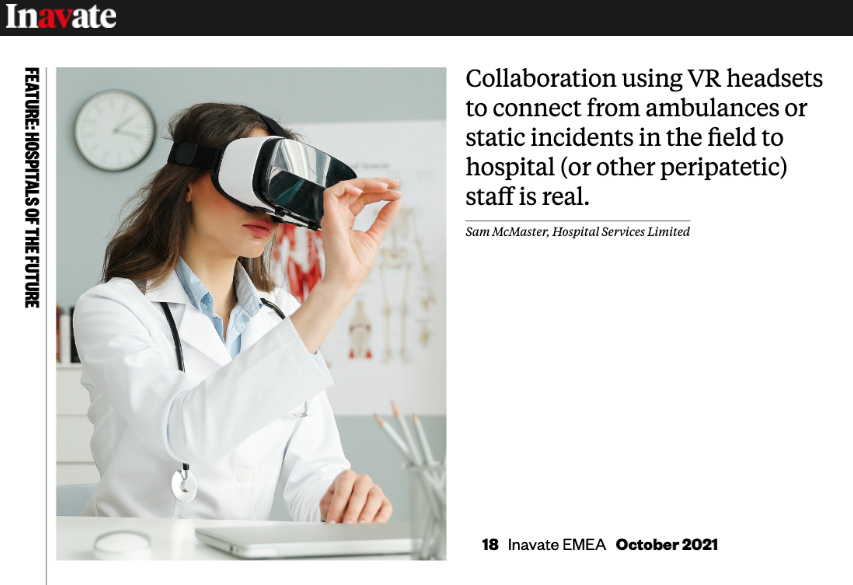
Remote support is also occurring in healthcare. What might “telehealth” morph into?

Remote support is also occurring in healthcare. What might telehealth morph into?


Could AR and/or VR enable a massive 3D-based type of “Voicethread?” [Christian]

From DSC:
What if we could quickly submit items for a group to discuss, annotate, and respond to — using whichever media format is available/preferable for a person — like a massive 3D-based Voicethread? What if this type of discussion could be contributed to and accessed via Augmented Reality (AR) and/or via Virtual Reality (VR) types of devices?

It could be a new 3D format that a person could essentially blow all the way up into the size of a billboard. Think, “Honey, I shrunk the kids” type of stuff.  

Input devices might include:

  • Augmented Reality (AR) glasses
  • Virtual Reality (VR) headsets/glasses
  • Scanners
  • Smartphones
  • Tablets
  • Desktops and laptops
  • SmartTVs
  • Other types of input devices

For example, a person could take a picture of a document or something else and then save that image into a new file format that would be vector-based. I say a vector-based file format so that the image could be enlarged to the size of a billboard without losing any resolution (i.e., wouldn’t become grainy; the image would remain crystal clear regardless of how big the image is). I’m thinking here along the lines of “Honey, I shrunk the kids!”

Other thoughts here:

  • The files could be accessible online for attendees of classes or for audiences of presentations/webinars
  • The files could be displayed on the walls of learning/presentation spaces for marking them up
  • One could manipulate the 3D image if that person was using a virtual/immersive environment
  • Users should be able to annotate on those images and/or be able to save such annotations and notes

A question for phase II:
Could this concept also be used if virtual courts take off?

Hmmmm…just thinking out loud.


Boston startup fights seniors’ isolation with VR — from bizjournals.com by Emma Campbell

Excerpts:

Social isolation is a term that more Americans have become familiar with due to the Covid-19 pandemic, but it’s a concept that was already intimately familiar to one segment of the population: the elderly.

Isolation disproportionately affects the aging population in the U.S. and can lead to significant mental and physical health issues for seniors. But there’s a Boston-based startup, Rendever, using a unique tool to fight it.

“We’ve always thought that the foundation of all human connection is shared positive experience,” Rand said. “So what we’ve done is we’ve spent the past five years building a really strong experience platform that allows people to come together, put on their headsets, and go and check off a bucket list item.”


Dreamscape Learn Pod Unveiled at ASU+GSV Summit — from gettingsmart.com by Rachelle Dene Poth

Excerpt:

At the ASU+GSV Summit, a leading digital learning summit held in San Diego, California, virtual reality (VR) enthusiasts had an opportunity to experience Dreamscape Learn pod, a first-of-its-kind, full-body tracking, immersive VR experience. Created in partnership with Steven Spielberg, Dreamscape Immersive and Arizona State University (ASU) unveiled the pod for the first time during the event.

ASU President Michael M. Crow and Dreamscape Immersive founder/president and former DreamWorks Pictures studio head Walter Parkes, worked together to create Dreamscape Learn. President Crow and Parkes together merged the ideas of creating Hollywood storytelling with the innovation from ASU. ASU has been a leader in innovation and cutting-edge technology and has been ranked number one in innovation for the sixth year by the US News and World Report.


© 2025 | Daniel Christian