Making the case for arts and humanities — from timeshighereducation.com by campus contributors, Eliza Compton
The arts and humanities are often dismissed as an unaffordable luxury, when these disciplines underpin vital human skills such as critical thinking, creativity and communication. This collection explores many ways in which arts and humanities can be harnessed for the benefit of all – students, universities and wider society

Yet, amid the threat of AI-driven automation in the workforce, fierce competition for entry-level jobs, and complex global problems such as climate change, the skills that humanities disciplines are built upon are vital. These skills – such as critical thinking, communication and creativity – are also key to universities’ capacity to share knowledge with industry, policymakers and the public. When it comes to understanding how high-tech solutions can best be applied in the real world, often the barriers are not technical but human, as low vaccine take-ups show.

These human skills are not unique to disciplines such as history, philosophy, literature, linguistics, performance and visual arts, of course. The need for deep thinking and analysis across all areas of academic enquiry is embedded in interdisciplinarity and STEAM initiatives, which integrate science, technology, mathematics and engineering with arts and humanities.

At their core, the arts and humanities interrogate what makes us human and how we understand and communicate with the world. In this collection, contributors from around the globe articulate the value that these disciplines bring to students, industry, government and society, when taught and designed effectively. It also considers how arts-based research can drive discovery, the role of interdisciplinarity in teaching and research, and how humanities-led expertise supports sustainability and inclusion.


So, You Want to Open a Microschool — from educationnext.org by Kerry McDonald
For aspiring founders who have the will but lack the way to launch their schools, startup partners are there to help

In recent years, microschools—small, highly individualized, flexible learning models—have become a popular education option, now serving at least 750,000 U.S. schoolchildren. More than half of microschools nationwide operate as homeschooling centers, while 30 percent function as private schools, 5 percent are public charters, and the rest fit into unique, often overlapping categories, according to a 2025 sector analysis by the National Microschooling Center. While many founders achieve success on their own, joining an accelerator or network can offer the business coaching and community connection that make the inevitable challenges of entrepreneurship more manageable. Van Camp decided to join KaiPod Catalyst, a microschool accelerator program from KaiPod Learning.

I feature six of these microschool accelerators and networks in my new book, Joyful Learning: How to Find Freedom, Happiness, and Success Beyond Conventional Schooling. Some of them have been around for years, but they have attracted rising interest since 2020 as more parents and teachers consider starting schools. These programs vary widely in the startup services and supports they offer, but they share a commitment to building relationships among founders and facilitating the ongoing success of today’s creative schooling options.


MICROSCHOOL REPORT
A small shift with an outsized impact in K-12 education— from gettingsmart.com by Getting Smart

High quality, personalized instruction in an intimate setting that focuses on the whole child is growing in popularity—and it looks very different from traditional models both past and present. What may seem like a throwback to the pioneers’ one-room schoolhouse actually speaks volumes about what we as a society have outgrown.

What began as a response to a global crisis has led to a watershed moment.

Yet to categorize microschools simply as “pandemic pods” or private schools with a low headcount largely misses the mark. They are perhaps best described as intentionally-designed small learning environments that are bucking two centuries of inertia and industrial-era constraints.

Microschools are providing educators with an entrepreneurial opportunity that was unthinkable just a couple of decades ago, in tandem with the ability to deliver high student and family satisfaction. And they’re doing it by prioritizing learner agency, personalization, and mastery over compliance and standardization.

However, for microschools to truly scale and impact equitable outcomes, the K-12 sector must address critical policy challenges related to access, accountability and regulatory restrictions.

The following key findings from deeply researched case studies and strategic guides published by the Getting Smart team are intended to provide a comprehensive overview on the microschool movement. Each section offers an opportunity to dive deeper into resources on specific, timely topics.


Speaking of education reform and alternatives, also see:

Driving systems transformation for 21st-century educators, learners, and workers. — from jff.org

Today’s education ecosystem must meet the needs of today’s learners. This means learner-centered outcomes, pathways between education and careers, and policies and practices that support both degree and non-degree programs.

Jobs for the Future’s Education practice works to support systems change in the education ecosystem, influence policies that promote diverse pathways, and identify and apply data-informed, learner-centered solutions.


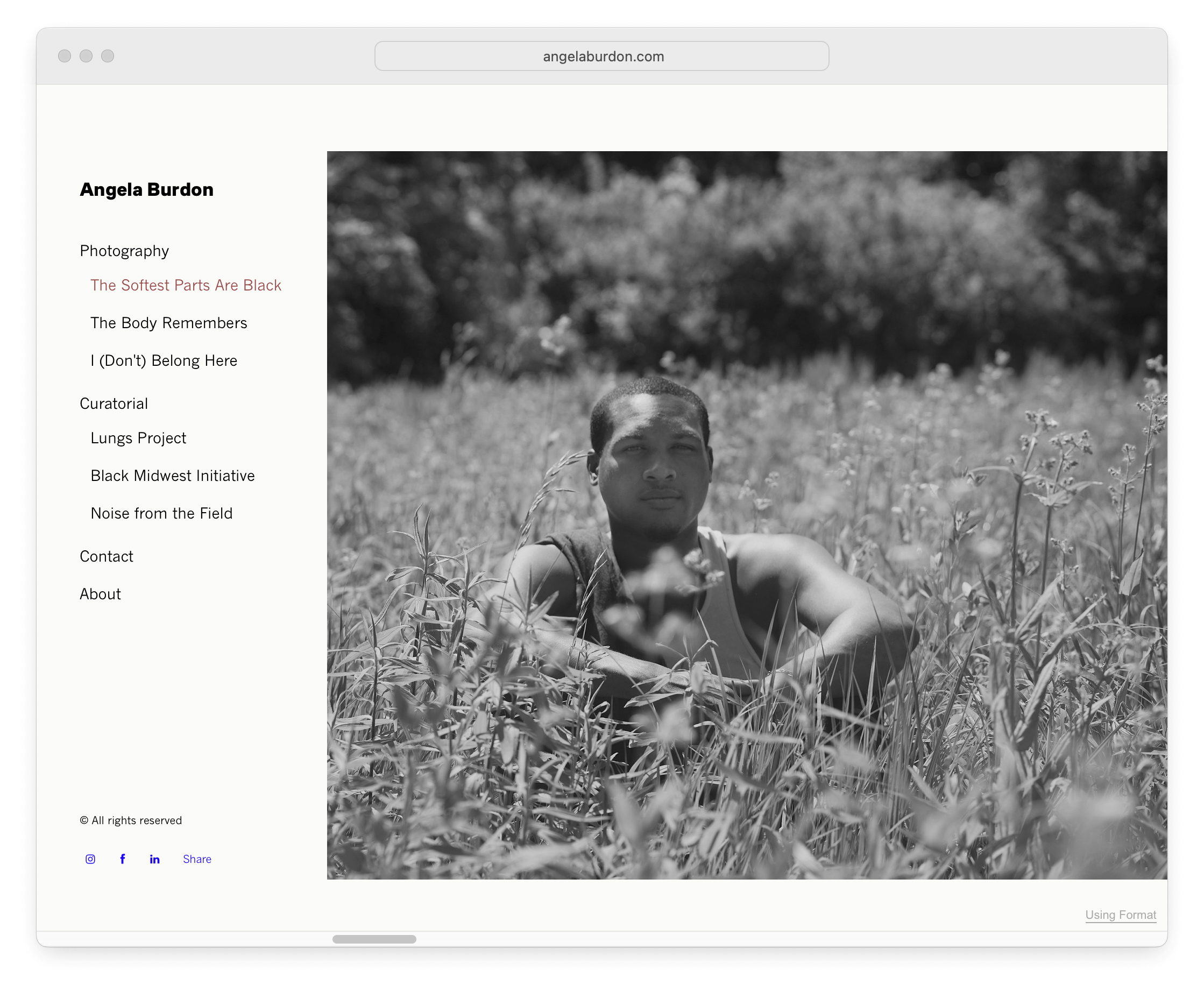
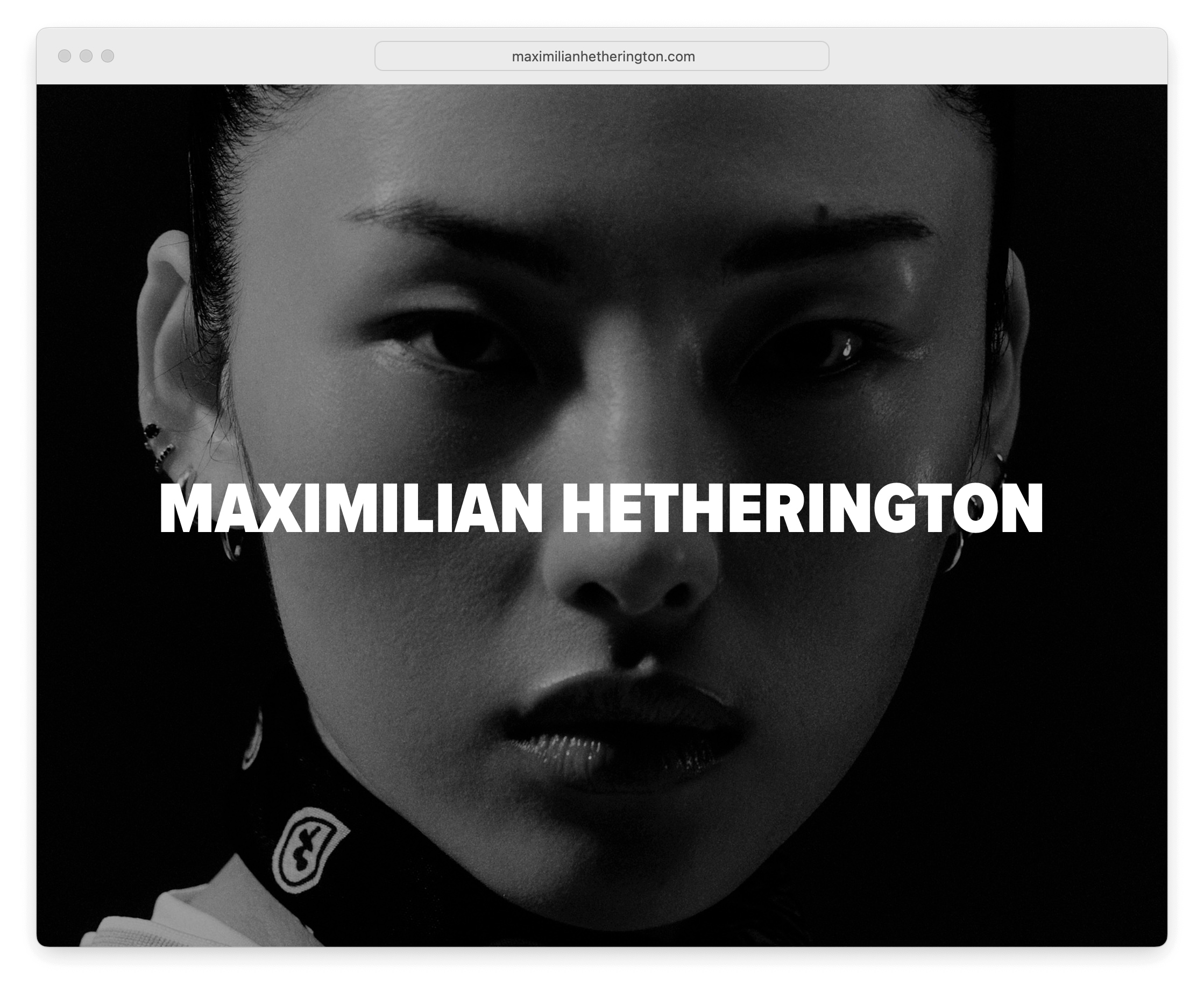
12 Photographer Portfolios Packed With Ideas and Inspiration — from booooooom.com


Speaking of photography, also see:

Photographer Spotlight: Pelle Cass — from booooooom.com


Higher education faces ‘deteriorating’ 2026 outlook, Fitch says — from highereddive.com by Laura Spitalniak
A shrinking pipeline of students, uncertainty about state and federal support, and rising expenses could all hurt college finances, according to analysts.

Dive Brief:

  • Fitch Ratings on Thursday issued a “deteriorating” outlook for the higher education sector in 2026, continuing the gloomy prediction the agency issued for 2025.
  • Analysts based their forecast on a shrinking prospective student base, “rising uncertainty related to state and federal support, continued expense escalation and shifting economic conditions.”
  • With its report, Fitch joins Moody’s Ratings and S&P Global Ratings in predicting a grim year for higher ed — Moody’s for the sector overall and S&P for nonprofit colleges specifically.

Yale expects layoffs as leaders brace for $300M in endowment taxes — from highereddive.com by Ben Unglesbee
The Ivy League institution’s tax bill starting next year will be higher than what it spends on student aid, university officials said.

Dive Brief:

  • Yale University is bracing for layoffs as it prepares to pay the government hundreds of millions of dollars in endowment income taxes.
  • In a public message, senior leaders at the Ivy League institution said that Yale’s schools plan to take steps such as delaying hiring and reducing travel spending to save money. But they warned workforce cuts were on the horizon.
  • “Layoffs may be necessary” in some units where cutting open positions and other reductions are insufficient, the university officials said. They expect to complete any downsizing by the end of 2026 barring “additional significant financial changes.”

Education Department adds ‘lower earnings’ warning to FAFSA — from highereddive.com by Natalie Schwartz
The agency will warn students when they’ve indicated interest in a college whose graduates have relatively low incomes.

The U.S. Department of Education has launched a new disclosure feature that warns students who fill out the Free Application for Federal Student Aid if they’re interested in colleges whose graduates have relatively low earnings, the agency said Monday. 

“Families deserve a clearer picture of how postsecondary education connects to real-world earnings, and this new indicator will provide that transparency,” U.S. Education Secretary Linda McMahon said in a Monday statement. “Not only will this new FAFSA feature make public earnings data more accessible, but it will empower prospective students to make data-driven decisions before they are saddled with debt.”


Also from highereddive.com, see:


Psalm 16:1
A miktam[a] of David.

Keep me safe, my God, for in you I take refuge.

Deuteronomy 18:15

The Lord your God will raise up for you a prophet like me from among you, from your fellow Israelites. You must listen to him.

Luke 1:30-33

But the angel said to her, “Do not be afraid, Mary; you have found favor with God. You will conceive and give birth to a son, and you are to call him Jesus. He will be great and will be called the Son of the Most High. The Lord God will give him the throne of his father David, and he will reign over Jacob’s descendants forever; his kingdom will never end.”


Beyond Infographics: How to Use Nano Banana to *Actually* Support Learning — from drphilippahardman.substack.com by Dr Philippa Hardman
Six evidence-based use cases to try in Google’s latest image-generating AI tool

While it’s true that Nano Banana generates better infographics than other AI models, the conversation has so far massively under-sold what’s actually different and valuable about this tool for those of us who design learning experiences.

What this means for our workflow:

Instead of the traditional “commission ? wait ? tweak ? approve ? repeat” cycle, Nano Banana enables an iterative, rapid-cycle design process where you can:

  • Sketch an idea and see it refined in minutes.
  • Test multiple visual metaphors for the same concept without re-briefing a designer.
  • Build 10-image storyboards with perfect consistency by specifying the constraints once, not manually editing each frame.
  • Implement evidence-based strategies (contrasting cases, worked examples, observational learning) that are usually too labour-intensive to produce at scale.

This shift—from “image generation as decoration” to “image generation as instructional scaffolding”—is what makes Nano Banana uniquely useful for the 10 evidence-based strategies below.


Caring for Patients for 26 Years—and Still Not a Nurse — from workshift.org/ by Colleen Connolly

Arnett’s experience spending decades in a job she intended as a first step is common among CNAs, medical assistants, and other entry-level healthcare workers, many of them women of color from low-income backgrounds. Amid a nationwide nursing shortage, elevating those workers seems like an obvious solution, but the path from CNA to nurse isn’t so much a ladder as it is a huge leap.

And obstacle after obstacle is strewn in the way. The high cost of nursing school, lengthy prerequisite requirements, rigid schedules, and unpaid clinical hours make it difficult for many CNAs to advance in their careers, despite their willingness and ability and the dire need of healthcare facilities.

While there are no national statistics about the number of entry-level healthcare workers who move on to higher-paid positions, a study of federal grants for CNA training showed that only 3% of those who completed the training went on to pursue further education to become an LPN or RN. Only 1% obtained an associate degree or above. A similar study in California showed that 22% of people who completed CNA certificate programs at community colleges went on to get a higher-level educational credential in health, but only 13% became registered nurses within six years.

That reality perpetuates chronic shortages in nursing, and it also keeps hundreds of thousands of healthcare workers locked below a living wage, often for decades.


Celebrating International Day of Persons with Disabilities — from joshbersin.com by Josh Bersin

Today I want to celebrate the International Day of Persons with Disabilities, an important day that recognizes the needs of millions of people. My perspective, as a professional entering my later years, is that many of us are likely to have disabilities over time, so the more we understand the diversity of disabilities the better for everyone.

First, let me point out that this is a massive population. The US Department of Labor and Census estimates that 11-13% of the working age population has some form of disability (more on what that means below), yet only 5-6% of workers. This points out that the employment ratio (percent of people with jobs) is far lower. People with disabilities are one-third as likely to have a job, which is quite a disparity and loss of economic potential.

Second, people with disabilities suffer a 15% lower average wage.


Josh linked to the item below:


Celebrating International Day of persons with disabilities
International Day of Persons with Disabilities (IDPD) is a UN day that is celebrated every year on 3 December.

The day is about promoting the rights and well-being of persons with disabilities at every level of society and development, and to raise awareness of the situation of persons with disabilities in all aspects of political, social, economic, and cultural life. WHO joins the UN in observing this day each year, reinforcing the importance of securing the rights of people with disabilities, so they can participate fully, equally and effectively in society with others, and face no barriers in all aspects of their lives.

At its headquarters in Geneva, WHO organizes an annual IDPD event to educate the public, raise awareness, advocate for political will and resources, and celebrate WHO’s achievements. In 2022, the WHO launched the Global Report on health equity for persons with disabilities. This report sets forth the approaches and actions that countries can take to address the health inequities that persons with disabilities experience.


From DSC:
I just want to add that one of our daughters has some special needs. So Josh’s posting caught my eye. He’s right to point out these things. You and I will likely have a period of disability in our lives. It’s not just relevant for “other people.” (And by the way…in the learning world, practicing Universal Design for Learning (UDL) is good for everyone!)

People with disabilities face enormous challenges that neurotypical people never have to deal with. They face unfair wage situations and a lack of opportunities. Our family has experienced — and continues to experience — this firsthand.

So thanks Josh for your posting here.


Agents, robots, and us: Skill partnerships in the age of AI — from mckinsey.com by Lareina Yee, Anu Madgavkar, Sven Smit, Alexis Krivkovich, Michael Chui, María Jesús Ramírez, and Diego Castresana
AI is expanding the productivity frontier. Realizing its benefits requires new skills and rethinking how people work together with intelligent machines.

At a glance

  • Work in the future will be a partnership between people, agents, and robots—all powered by AI. …
  • Most human skills will endure, though they will be applied differently. …
  • Our new Skill Change Index shows which skills will be most and least exposed to automation in the next five years….
  • Demand for AI fluency—the ability to use and manage AI tools—has grown sevenfold in two years…
  • By 2030, about $2.9 trillion of economic value could be unlocked in the United States…

Also related/see:


State of AI: December 2025 newsletter — from nathanbenaich.substack.com by Nathan Benaich
What you’ve got to know in AI from the last 4 weeks.

Welcome to the latest issue of the State of AI, an editorialized newsletter that covers the key developments in AI policy, research, industry, and start-ups over the last month.


Matthew 22:36-40

36 “Teacher, which is the greatest commandment in the Law?”

37 Jesus replied: “‘Love the Lord your God with all your heart and with all your soul and with all your mind.’[a] 38 This is the first and greatest commandment. 39 And the second is like it: ‘Love your neighbor as yourself.’[b] 40 All the Law and the Prophets hang on these two commandments.”

Colossians 3:15

Let the peace of Christ rule in your hearts, since as members of one body you were called to peace. And be thankful.

Colossians 4:2

Devote yourselves to prayer, being watchful and thankful.


Could Your Next Side Hustle Be Training AI? — from builtin.com by Jeff Rumage
As automation continues to reshape the labor market, some white-collar professionals are cashing in by teaching AI models to do their jobs.

Summary: Artificial intelligence may be replacing jobs, but it’s also creating some new ones. Professionals in fields like medicine, law and engineering can earn big money training AI models, teaching them human skills and expertise that may one day make those same jobs obsolete.


DEEP DIVE: The AI user interface of the future = Voice — from theneurondaily.com by Grant Harvey
PLUS: Gemini 3.0 and Microsoft’s new voice features

Here’s the thing: voice is finally good enough to replace typing now. And I mean actually good enough, not “Siri, play Despacito” good enough.

To Paraphrase Andrej Karpathy’s famous quote, “the hottest new programming language is English”, in this case, the hottest new user interface is talking.

The Great Convergence: Why Voice Is Having Its Moment
Three massive shifts just collided to make voice interfaces inevitable.

    1. First, speech recognition stopped being terrible. …
    2. Second, our devices got ears everywhere. …
    3. Third, and most importantly: LLMs made voice assistants smart enough to be worth talking to. …

Introducing group chats in ChatGPT — from openai.com
Collaborate with others, and ChatGPT, in the same conversation.

Update on November 20, 2025: Early feedback from the pilot has been positive, so we’re expanding group chats to all logged-in users on ChatGPT Free, Go, Plus and Pro plans globally over the coming days. We will continue refining the experience as more people start using it.

Today, we’re beginning to pilot a new experience in a few regions that makes it easy for people to collaborate with each other—and with ChatGPT—in the same conversation. With group chats, you can bring friends, family, or coworkers into a shared space to plan, make decisions, or work through ideas together.

Whether you’re organizing a group dinner or drafting an outline with coworkers, ChatGPT can help. Group chats are separate from your private conversations, and your personal ChatGPT memory is never shared with anyone in the chat.


New Study: Business As Usual Could Doom Dozens Of New England Colleges — from forbes.com by Michael B. Horn

The cause of the challenges isn’t one single factor, but a series of pressures from demographic changes, shifts in the public’s perception of higher education’s value, rising operating costs, emerging alternatives to traditional colleges, and, of late, changes in federal policies and programs. The net effect is that many institutions are much closer to the brink of closure than ever before.

What’s daunting is that flat enrollment is almost certainly an overly optimistic scenario.

If enrollment at the 44 schools falls by 15 percent over the next four years and business proceeds as usual, then 28 of the schools will have less than 10 years of cash and unrestricted quasi-endowments before they would become insolvent—assuming no major cuts, additional philanthropy, new debt, or asset sales. Fourteen would have less than five years before insolvency.

Also see:

From DSC:
The cultures at many institutions of traditional higher education will make some of the necessary changes and strategies (that Michael and Steven discuss) very hard to make. For example, to merge with another institution or institutions. Such a strategy could be very challenging to implement, even as alternatives continue to emerge.


Disrupting the first reported AI-orchestrated cyber espionage campaign — from Anthropic

Executive summary
We have developed sophisticated safety and security measures to prevent the misuse of our AI models. While these measures are generally effective, cybercriminals and other malicious actors continually attempt to find ways around them. This report details a recent threat campaign we identified and disrupted, along with the steps we’ve taken to detect and counter this type of abuse. This represents the work of Threat Intelligence: a dedicated team at Anthropic that investigates real world cases of misuse and works within our Safeguards organization to improve our defenses against such cases.

In mid-September 2025, we detected a highly sophisticated cyber espionage operation conducted by a Chinese state-sponsored group we’ve designated GTG-1002 that represents a fundamental shift in how advanced threat actors use AI. Our investigation revealed a well-resourced, professionally coordinated operation involving multiple simultaneous targeted intrusions. The operation targeted roughly 30 entities and our investigation validated a handful of successful intrusions.

This campaign demonstrated unprecedented integration and autonomy of AI throughout the attack lifecycle, with the threat actor manipulating Claude Code to support reconnaissance, vulnerability discovery, exploitation, lateral movement, credential harvesting, data analysis, and exfiltration operations largely autonomously. The human operator tasked instances of Claude Code to operate in groups as autonomous penetration testing orchestrators and agents, with the threat actor able to leverage AI to execute 80-90% of tactical operations independently at physically impossible request rates.

From DSC:
The above item was from The Rundown AI, who wrote the following:

The Rundown: Anthropic thwarted what it believes is the first AI-driven cyber espionage campaign, after attackers were able to manipulate Claude Code to infiltrate dozens of organizations, with the model executing 80-90% of the attack autonomously.

The details:

  • The September 2025 operation targeted roughly 30 tech firms, financial institutions, chemical manufacturers, and government agencies.
  • The threat was assessed with ‘high confidence’ to be a Chinese state-sponsored group, using AI’s agentic abilities to an “unprecedented degree.”
  • Attackers tricked Claude by splitting malicious tasks into smaller, innocent-looking requests, claiming to be security researchers pushing authorized tests.
  • The attacks mark a major step up from Anthropic’s “vibe hacking” findings in June, now requiring minimal human oversight beyond strategic approval.

Why it matters: Anthropic calls this the “first documented case of a large-scale cyberattack executed without substantial human intervention”, and AI’s agentic abilities are creating threats that move and scale faster than ever. While AI capabilities can also help prevent them, security for organizations worldwide likely needs a major overhaul.


Also see:

Disrupting the first reported AI-orchestrated cyber espionage campaign — from anthropic.com via The AI Valley

We recently argued that an inflection point had been reached in cybersecurity: a point at which AI models had become genuinely useful for cybersecurity operations, both for good and for ill. This was based on systematic evaluations showing cyber capabilities doubling in six months; we’d also been tracking real-world cyberattacks, observing how malicious actors were using AI capabilities. While we predicted these capabilities would continue to evolve, what has stood out to us is how quickly they have done so at scale.

Chinese Hackers Used AI to Run a Massive Cyberattack on Autopilot (And It Actually Worked) — from theneurondaily.com

Why this matters: The barrier to launching sophisticated cyberattacks just dropped dramatically. What used to require entire teams of experienced hackers can now be done by less-skilled groups with the right AI setup.

This is a fundamental shift. Over the next 6-12 months, expect security teams everywhere to start deploying AI for defense—automation, threat detection, vulnerability scanning at a more elevated level. The companies that don’t adapt will be sitting ducks to get overwhelmed by similar tricks.

If your company handles sensitive data, now’s the time to ask your IT team what AI-powered defenses you have in place. Because if the attackers are using AI agents, you’d better believe your defenders need them too…


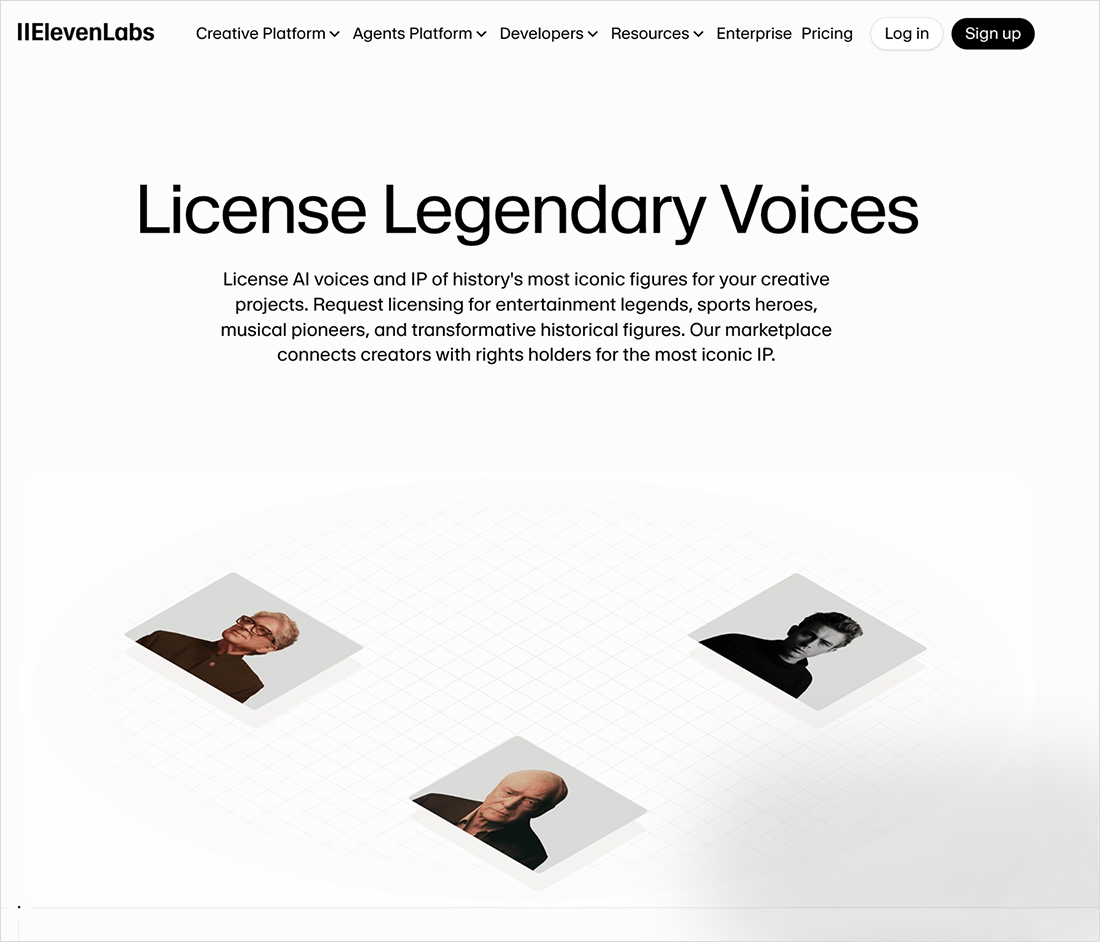
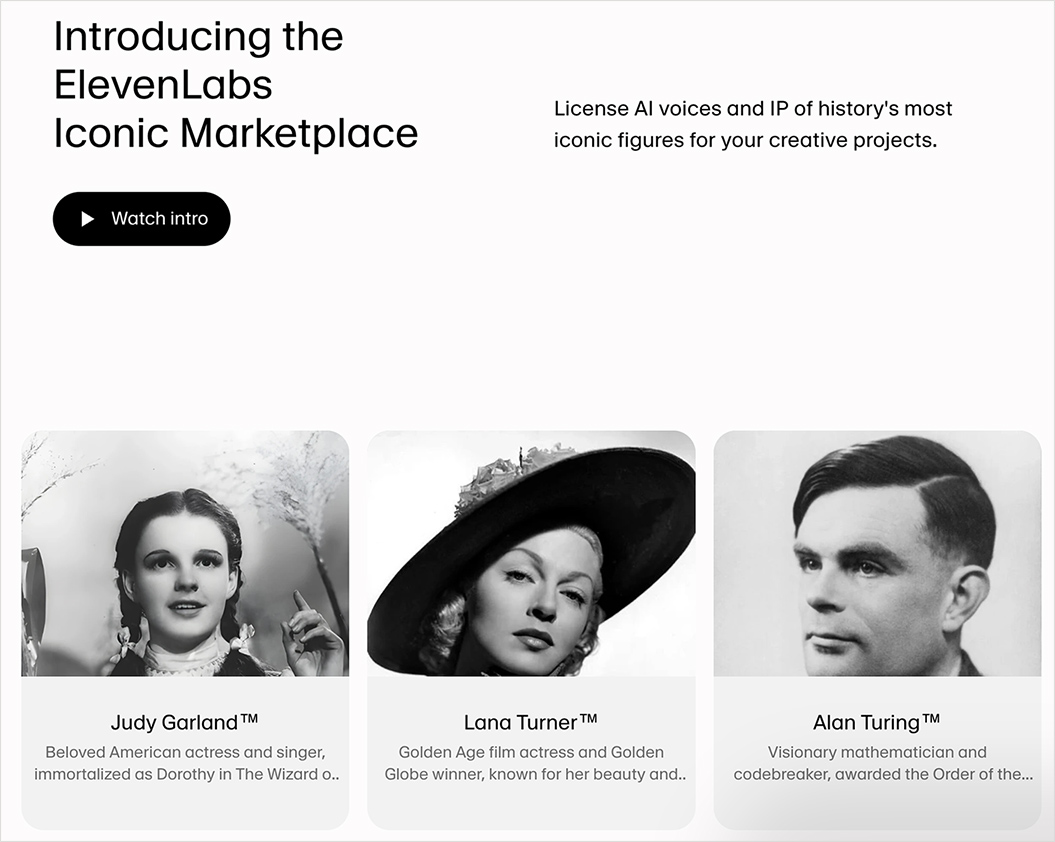
ElevenLabs just launched a voice marketplace — from elevenlabs.io; via theaivalley.com

Via the AI Valley:

Why does it matter?
AI voice cloning has already flooded the internet with unauthorized imitations, blurring legal and ethical lines. By offering a dynamic, rights-secured platform, ElevenLabs aims to legitimize the booming AI voice industry and enable transparent, collaborative commercialization of iconic IP.
.

ElevenLabs just launched a voice marketplace

ElevenLabs just launched a voice marketplace


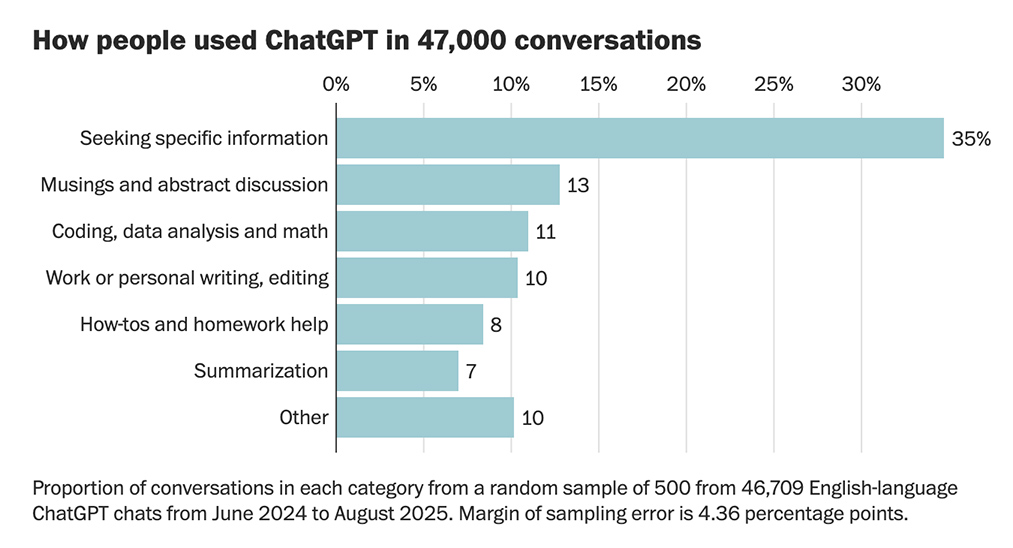
[GIFTED ARTICLE] How people really use ChatGPT, according to 47,000 conversations shared online — from by Gerrit De Vynck and Jeremy B. Merrill
What do people ask the popular chatbot? We analyzed thousands of chats to identify common topics discussed by users and patterns in ChatGPT’s responses.

.
Data released by OpenAI in September from an internal study of queries sent to ChatGPT showed that most are for personal use, not work.

Emotional conversations were also common in the conversations analyzed by The Post, and users often shared highly personal details about their lives. In some chats, the AI tool could be seen adapting to match a user’s viewpoint, creating a kind of personalized echo chamber in which ChatGPT endorsed falsehoods and conspiracy theories.

Lee Rainie, director of the Imagining the Digital Future Center at Elon University, said his own research has suggested ChatGPT’s design encourages people to form emotional attachments with the chatbot. “The optimization and incentives towards intimacy are very clear,” he said. “ChatGPT is trained to further or deepen the relationship.”


Per The Rundown: OpenAI just shared its view on AI progress, predicting systems will soon become smart enough to make discoveries and calling for global coordination on safety, oversight, and resilience as the technology nears superintelligent territory.

The details:

  • OpenAI said current AI systems already outperform top humans in complex intellectual tasks and are “80% of the way to an AI researcher.”
  • The company expects AI will make small scientific discoveries by 2026 and more significant breakthroughs by 2028, as intelligence costs fall 40x per year.
  • For superintelligent AI, OAI said work with governments and safety agencies will be essential to mitigate risks like bioterrorism or runaway self-improvement.
  • It also called for safety standards among top labs, a resilience ecosystem like cybersecurity, and ongoing tracking of AI’s real impact to inform public policy.

Why it matters: While the timeline remains unclear, OAI’s message shows that the world should start bracing for superintelligent AI with coordinated safety. The company is betting that collective safeguards will be the only way to manage risk from the next era of intelligence, which may diffuse in ways humanity has never seen before.

Which linked to:

  • AI progress and recommendations — from openai.com
    AI is unlocking new knowledge and capabilities. Our responsibility is to guide that power toward broad, lasting benefit.

From DSC:
I hate to say this, but it seems like there is growing concern amongst those who have pushed very hard to release as much AI as possible — they are NOW worried. They NOW step back and see that there are many reasons to worry about how these technologies can be negatively used.

Where was this level of concern before (while they were racing ahead at 180 mph)? Surely, numerous and knowledgeable people inside those organizations warned them about the destructive/downside of these technologies. But their warnings were pretty much blown off (at least from my limited perspective). 


The state of AI in 2025: Agents, innovation, and transformation — from mckinsey.com

Key findings

  1. Most organizations are still in the experimentation or piloting phase: Nearly two-thirds of respondents say their organizations have not yet begun scaling AI across the enterprise.
  2. High curiosity in AI agents: Sixty-two percent of survey respondents say their organizations are at least experimenting with AI agents.
  3. Positive leading indicators on impact of AI: Respondents report use-case-level cost and revenue benefits, and 64 percent say that AI is enabling their innovation. However, just 39 percent report EBIT impact at the enterprise level.
  4. High performers use AI to drive growth, innovation, and cost: Eighty percent of respondents say their companies set efficiency as an objective of their AI initiatives, but the companies seeing the most value from AI often set growth or innovation as additional objectives.
  5. Redesigning workflows is a key success factor: Half of those AI high performers intend to use AI to transform their businesses, and most are redesigning workflows.
  6. Differing perspectives on employment impact: Respondents vary in their expectations of AI’s impact on the overall workforce size of their organizations in the coming year: 32 percent expect decreases, 43 percent no change, and 13 percent increases.

Marble: A Multimodal World Model — from worldlabs.ai

Spatial intelligence is the next frontier in AI, demanding powerful world models to realize its full potential. World models should reconstruct, generate, and simulate 3D worlds; and allow both humans and agents to interact with them. Spatially intelligent world models will transform a wide variety of industries over the coming years.

Two months ago we shared a preview of Marble, our World Model that creates 3D worlds from image or text prompts. Since then, Marble has been available to an early set of beta users to create 3D worlds for themselves.

Today we are making Marble, a first-in-class generative multimodal world model, generally available for anyone to use. We have also drastically expanded Marble’s capabilities, and are excited to highlight them here:

 
© 2025 | Daniel Christian