The Ultimate Study Guide: Wolfram Alpha Launches “Course Assistant” Apps — from ReadWriteWeb by Audrey Watters

The computational knowledge engine Wolfram|Alpha is launching the first three of a series of new “course assistant” apps today. These apps, available for iPhone, iPod Touch, and iPad, are designed to take advantage of the Wolfram|Alpha technology in the service of supporting some of the most popular courses in high school and college.

The idea is to be able to quickly access the pertinent capabilities of Wolfram|Alpha relevant for specific subject areas. Currently, these subject areas are Algebra, Calculus, and Music Theory. But the company says it plans to add apps for other subjects – “for every major course, from elementary school to graduate school,” – including those fields outside math and science.

From DSC:
Notice the term engine (in bold maroon above).
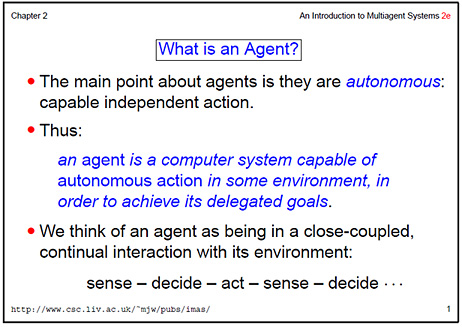
This is the type of sophisticated programming that will increasingly be baked into future learning products — as the software seeks to learn more about each learner while providing each learner with a more customized learning experience…pushing them, but aiming to encourage — not discourage — them. I can see an opt-in program where each of us can build a cloud/web-based learner profile — and allow such an engine to be “fed” that data.
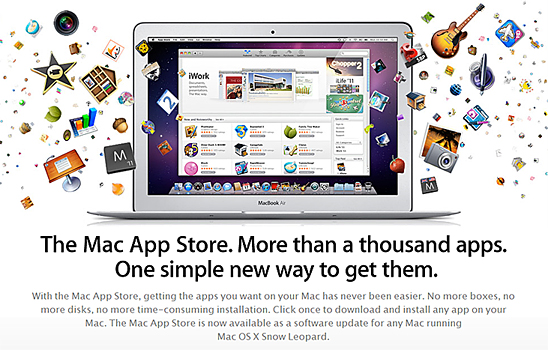

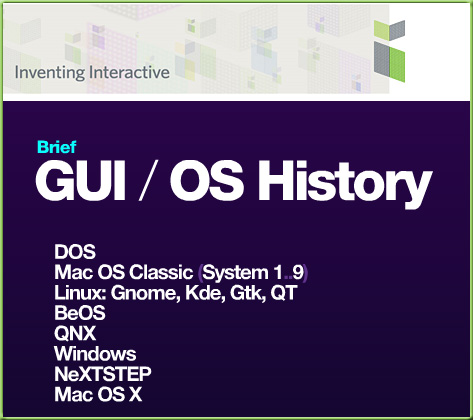
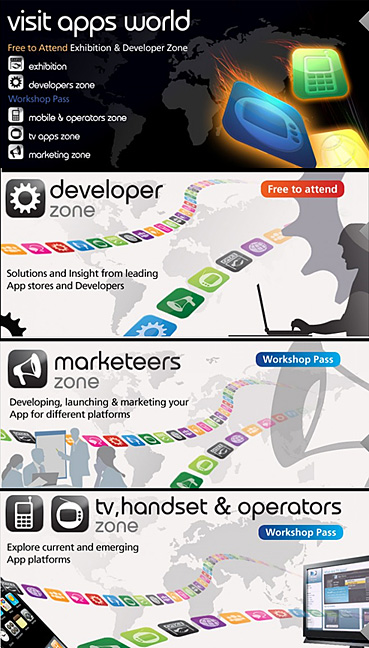
Apple launches Mac App Store today — from Apple.com; also see this article at FastCompany.com

Mac App Store - Launched on January 6, 2011

Excerpt from the FastCompany.com article:

The arrival of the App Store is causing much debate online about the changing nature of PC software. Much as the iOS App Store is the key to the iPhone and iPad’s success, and beats its competitors app store efforts, the Mac App Store has massive potential to upend the PC software vending market. Early indications suggest Mac Apps will sell for less than the traditional price brackets Mac software’s been sold at for decades. This could revolutionize the Mac market, turning it into something that could really allow Macs to challenge the traditional Windows market dominance in enterprise or at home–particularly as it’s a one-stop-shop for games, utilities and so on, and even handles updates in a way Windows can’t challenge.

Also see:
How the Mac App Store Changes Everything — from Mashable.com

10 predictions for web development in 2011 — from Mashable.com by Jolie O’Dell

Tagged with: • • •  

Alibris launches marketplace for books, movies and music — from ProgrammableWeb.com by Romin Irani

Alibris, an online marketplace that brings together Indepenent sellers of popular, collectible and bargain books, music and movies has launched a Developer Network. The company is inviting developers to use its API to not only build applications but earn commissions via its affiliate program. The Alibris API exposes most of its data like current books, music and movies on sale, item information, seller information and item/seller reviews.

IEEE Dest 2011 -- Conference on Digital Ecosystems.

Note some of the topics in the call for papers/proposals:

Tagged with: • •  

Six Hot Workplace Trends for 2011 from cio.com by Shane O’Neill

  1. Digital Portfolios Replacing Resumes <— From DSC: This speaks to the eventual need for digital literacy for all students
  2. Mobile Is the New Desktop
  3. Online Work: Hiring in the Cloud
  4. The HTML5/Flash War: Programmers Needed
  5. Businesses Will Get Even More Social
  6. The Death of Traditional Marketing

Google rolls out Chrome app store, other updates — from CNN.com by Doug Gross

Mobile App Review – mBook — from moodlenews.com by Joseph Thibault

mBook is the 2nd app for Mobile Moodle developed by MassMedia (MassMedia.hk) from Hong Kong.  This is an expanded version of mPage specifically tailored for use on the iPad (the app is not available on any other OS).  This app is also a hybrid, requiring a purchase from the Apple App Store as well as installed files on your Moodle server (server side installation files are available from http://mbooks.hk/mod/resource/view.php?id=2).  NOTE: the same files for mPage are required for mBook (so installing for one of the apps makes your site ready for the other, which is a plus).

mBook is listed at $3.99 in the Apple App Store.

Vlingo 2011: The Future of Intelligent Voice Apps

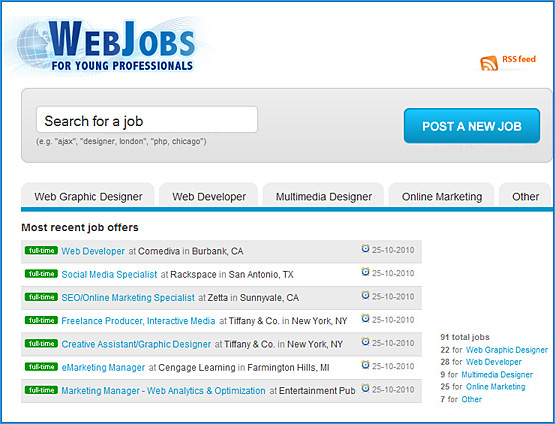
Web jobs for young professionals

.My thanks to Adam Henige at nicholascreative.com for this information/job board.


The future of Microsoft Windows Azure: Platform as a service — from arstechnica.com by Peter Bright

.

At PDC yesterday, Microsoft unveiled its roadmap for the Windows Azure cloud computing platform. Moving beyond mere Infrastructure-as-a-Service (IaaS), the company is positioning Windows Azure as a Platform-as-a-Service offering: a comprehensive set of development tools, services, and management systems to allow developers to concentrate on creating available, scalable applications.

Over the next 12-18 months, a raft of new functionality will be rolled out to Windows Azure customers. These features will both make it easier to move existing applications into the cloud, and enhance the services available to cloud-hosted applications.

From DSC:
In reading Ray Ozzie’s views of the future (Ray is the departing high-level visionary at Microsoft), it was interesting to note that Ray points out the dangers of complexity — at least in the world of computing/software development. Quotes from both 2005 and 2010 are below:

From 2005:

Complexity kills. It sucks the life out of developers, it makes products difficult to plan, build and test, it introduces security challenges, and it causes end-user and administrator frustration.  Moving forward, within all parts of the organization, each of us should ask “What’s different?”, and explore and embrace techniques to reduce complexity.

And then again from 2010:

Complexity kills. Complexity sucks the life out of users, developers and IT.  Complexity makes products difficult to plan, build, test and use.  Complexity introduces security challenges.  Complexity causes administrator frustration.

© 2025 | Daniel Christian