The Internet of Things will give rise to the algorithm economy — from blogs.gartner.com by Peter Sondergaard

Excerpt:

It’s hard to avoid. Almost every CEO’s conversation about how IT is driving innovation inevitably comes back to the potential of big data. But data is inherently dumb. It doesn’t actually do anything unless you know how to use it. And big data is even harder to monetize due to the sheer complexity of it.

Data alone is not going to be the catalyst for the next wave of IT-driven innovation. The next digital gold rush will be focused on how you do something with data, not just what you do with it. This is the promise of the algorithm economy.

…

Algorithms are already all around us. Consider the driver-less car. Google’s proprietary algorithm is the connective tissue that combines the software, data, sensors and physical asset together into a true leap forward in transportation. Consider high frequency trading. It’s a trader’s unique algorithm that drives each decision that generates higher return than their competitors, not the data that it accesses. And while we’re talking about Google, what makes it one of the most valuable brands in the world? It isn’t data; it’s their most closely guarded secret, their algorithms.

A brave new world of opportunities
Where does this ultimately lead? Software that thinks. Software that does. Cognitive software that drives autonomous machine-to-machine interactions. Dare I say artificial intelligence? I dare. I did.


From DSC:
Besides Training/L&D departments and those developing strategy & vision within the corporate world…Provosts Offices take note. Computer Science programs take note. Interested students take note. Those who want to take a right turn in their careers take note.


Google has shipped over 1 million Cardboard VR units — from techcrunch.com by Darrell Etherington

Excerpt:

Google revealed today that Cardboard has quietly become the leading VR platform in terms of platform reach – over 1 million Cardboard units have shipped to users so far, a 100 percent increase on the 500,000 milestone it announced in December last year.

Cardboard’s progression is a testament to Google’s approach, which favors simplicity and low barriers to entry instead of freaky real verisimilitude and expensive, high-powered hardware. Google first revealed Cardboard at last year’s I/O event, throwing it out there almost as an afterthought and a seeming subtle dig at Facebook’s high-priced acquisition of Oculus VR.



Google’s Project Brillo is an OS for the home — and a lot more — from computerworld.com by Zach Miners

Excerpt:

Google has made a big play for the Internet of Things, announcing a new OS on Thursday that will connect appliances around the home and allow them to be controlled from an Android smartphone or tablet.

Dubbed Project Brillo, it’s a stripped down version of Google’s Android OS that will run on door locks, ovens, heating systems and other devices that have a small memory footprint, and allow them to communicate and work together.


Google takes another shot at mobile payments with Android Pay — from techcrunch.com by Kyle Russell

Excerpt:

At its I/O developer conference today, Google announced Android Pay, a new payments solution native to its mobile operating system. In addition to making it easier to pay at a merchant’s point of sale via NFC, the new system lets merchants integrate payments directly into their apps for selling physical goods and services using an Android Pay API rather than integrating a third-party provider like Venmo or PayPal.


Google launches Android M preview with fingerprint scanner support, Android Pay, improved permissions and battery life
— from techcrunch.com by Frederic Lardinois

Excerpt:

As expected, Google today announced the developer preview release of the next version of Android at its I/O developer conference in San Francisco. With Android M (which will get its full name once it’s released to users), Google focuses mostly on fit and finish, but the company also added a number of new features to its mobile operating system. It’s no surprise that Android M won’t feature any major new design elements. The last release, Android Lollipop, introduced Google’s Material Design language, after all, and there are still plenty of developers who haven’t even migrated their apps over.


Android M will be able to give you contextual info about what’s happening in your Android Apps — from techcrunch.com by Frederic Lardinois

Excerpt:

Google Now has long helped Android users get timely information about local traffic, movies that are playing locally and other information based on their commutes, browsing history and other data. With Android M, which Google announced today, the Now service is getting even smarter and more contextual. When you tap and hold the home button in Android M, Google will grab the information from the application you are using at that moment and Now will try to give you the right contextual information about what you are looking at in that app. Google Calls This ‘Google Now on Tap.’


Chromecast gets autoplay, queuing, second screen and multiplayer game powers — from techcrunch.com by Darrell Etherington

Excerpt:

Google’s Chromecast is a quiet little media secret agent turning the search giant into a big time home entertainment player. All told, users of Cast-enabled software have hit the little button to put their small-screen content up on the big screen a total of 1.5 billion times in the U.S. alone, and Chromecast floats other Google boats, too – users increase their YouTube viewing time by 45 percent on average once they start using the device, for instance.

Chromecast (and Cast-enabled devices, including the Nexus Player and the Nvidia Shield) is about to get more powerful, thanks to a handful of new features announced at I/O this year. These new abilities turn the streamer into a much more robust media device, making it easy to see how Cast could underpin the home theater or media room of the near future. Here’s what Chromecast developers and users can look forward to coming out of this year’s show:


Google Play gets more family-friendly with content ratings, filtering by age and interest — from techcrunch.com by Sarah Perez

Excerpt:

In April, Google announced a new developer-facing program called “Designed for Families” which allowed mobile app publishers the option to undergo an additional review in order to be included in a new section focused on kids’ apps within Google Play. Today, the company officially unveiled that section — or sections, as it turns out — at its I/O developer conference.

Parents searching Google’s mobile app store will now be able to tap on a new “Family” button indicated with a green, smiley faced star icon in order to find the family-friendly content across apps, games, movies and TV homepages.

There’s also a “Children’s Books” button on the Books homepage, where parents can also filter the selection by age range and genre.


Google’s new Cloud Test Lab lets Android developers quickly test their apps on top Android devices for free — from techcrunch.com by Frederic Lardinois

Excerpt:

Google launched a new project at its I/O developer conference today that will make it easier for developers to check how their mobile apps work on twenty of the most popular Android devices from around the world. Sadly, the service will only roll out to developers later this year, but if you are interested, you can sign up to join the pilot program here.

It’s no secret that the diverse Android ecosystem makes life harder for developers, given that they can’t simply test their apps on a small number of popular devices and assume that everything will run smoothly for all users. Most developers keep a few phones and tablets handy to test their apps on, but few have access to a wide variety of recent devices to test every revision of their apps on.

 

google-io-20150241


Google Photos breaks free of Google+, now offers free, unlimited storage — from techcrunch.com by Sarah Perez

Excerpt:

Google officially announced its long-rumored revamp of its photo-sharing service, Google Photos, at its I/O developer conference in San Francisco today. The killer feature? Users can now backup up full-resolution photos and videos – up to 16MP for photos and 1080p for videos – to Google’s cloud for free. The service will roll out to Android, iOS and web users starting today, the company says.

The free storage option makes more sense for those with point-and-shoot cameras, and lets you keep a copy of your photos that’s good for your typical printing and photo-sharing needs. However, those with DSLR cameras or who want to store their photos and videos in their original sizes can choose a different plan which taps into your Google Account’s 15 GB of free storage. This is what was available before, and you can add to your storage quota as needed for a fee.


Android developer news from Google I/O 2015 — from lynda.com by David Gassner

Excerpt:

The keynote featured a smorgasbord of new technologies and additions/improvements to existing platforms. A stream of presenters followed each other across the stage, each talking about what was new for 2015. They covered Android, Chrome, and Chromebooks, virtual reality, 360-degree camera arrays, a stripped-down version of Android for the internet of things, and many other geeky new toys. Here’s what’s coming to an Android device or Android developer workstation near you.

Google I/O 2015: How context is slowly killing off the mobile app menu — from zdnet.com by Kevin Tofel
Summary: Google’s new Now On Tap feature, coming with Android M, shows a future where you don’t hunt through home screens and menus to find an app. The right apps come to you.


Here’s how you build an augmented reality game for HoloLens — from theverge.com by Adi Robertson

Excerpt:

Programming a hologram sounds like something that should be done with some kind of special cybergloves on a computer the size of a ‘60s IBM mainframe. But at Build 2015, Microsoft has been quietly taking developers through the “Holographic Academy,” a 90-minute training session that teaches them the basics of building projects for its HoloLens augmented reality headset. I’m not a developer, but Microsoft let me and some other journalists go through it as well — and it turns out that basic hologram creation is, if not exactly straightforward, at least pretty understandable.


From DSC:
Will designing learning-related games for augmented reality and virtual reality become an area of specialty within Instructional Design? Within Programming/Computer Studies-related programs? Within Human Computer Interface design programs or User Experience Design programs?  Will we need a team-based approach to deliver such products and services?

I wonder how one would go about getting trained in this area in the future if you wanted to create games for education or for the corporate training/L&D world? Will institutions of higher education respond to this sort of emerging opportunity or will we leave it up to the bootcamps/etc. to offer?


Also see:


P90178908_highRes


Also see:

  • New Demo of Microsoft HoloLens Unveils the Future of Holographic Computing — from seriouswonder.com by B.J. Murphy
    Excerpt:
    What happens when you combine holographic technology with augmented reality and the Internet of Things (IoT)? Well, it would appear that you’ll soon be getting a hands-on experience of just that, all thanks to the Microsoft HoloLens. At the Build Developers Conference, Microsoft had unveiled the HoloLens and shocked the world on just how far we’ve come in developing legitimate, functional augmented reality and holographic computing.


future-hololens


3 big data science trends that will change business software — from diginomica.com by Phil Wainewright
The appliance of big data science to enterprise applications and data is driving rapid innovation in the business software market. Watch these three trends. 


From DSC:
Are we developing our students to be able to ride these waves?


Also see:


DeptOfEdTech2-GuideApril2015

Excerpt from the tech.ed.gov/developers/ page:

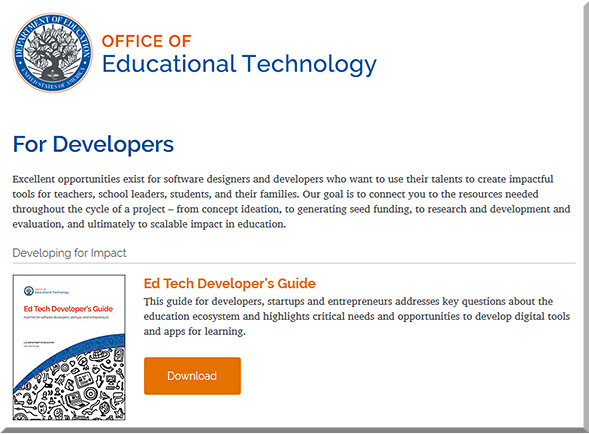
For Developers
Excellent opportunities exist for software designers and developers who want to use their talents to create impactful tools for teachers, school leaders, students, and their families. Our goal is to connect you to the resources needed throughout the cycle of a project – from concept ideation, to generating seed funding, to research and development and evaluation, and ultimately to scalable impact in education.


I originally saw this at “Ed tech must do more to ‘advance equity,’ U.S. Secretary of Education says” — from hechingerreport.org by Nichole Dobo

Excerpt:

SCOTTSDALE, Arizona—The U.S. Department of Education unveiled a new education technology developer’s guide [on 4/7/15] during the annual ASU+GSV Summit conference here.

In remarks at the conference, U.S. Secretary of Education Arne Duncan urged developers to consider the needs of disadvantaged students, so that they are not left behind as more schools adopt new tools that advance teaching and learning.

“If the technology revolution only happens for families that already have money and education, then it’s not really a revolution,” Duncan said.

Duncan announced the developer’s guide during a speech at the ASU+GSV Summit, , a gathering of about 2,500 people interested in innovation in education. The free guide, available for download at tech.ed.gov/developers, is the result of two years of research by Department of Education officials, who interviewed educators, entrepreneurs, parents and students. Its goal is to help technology developers better understand the key needs of the nation’s school system. It identifies 10 “persistent problems in education,” among them increasing family engagement, improving professional development for teachers, creating tests that accurately measure what students have learned, and closing achievement gaps.


Technology predictions for the second half of the decade — from techcrunch.com by Lance Smith

Excerpts:

  • Big Data and IoT evolve into automated information sharing
  • Self-driving vehicles become mainstream
  • The appearance of artificial intelligent assistants
  • Real-time agility through data virtualization


EdTech trends for the coming years — from edtechreview.in

Excerpts:

EdTech is about to explode. The coming technology and the new trends on the rise can’t but forecast an extensive technology adoption in schools all around the globe.

Specific apps, systems, codable gadgets and the adaptation of general use elements to the school environment are engaging teachers and opening up the way to new pedagogical approaches. And while we are scratching the surface of some of them, others have just started to buzz persistently.

  • Wearables + Nano/Micro Technology + the Internet of Things
  • 3D + 4D printing
  • Big Data + Data Mining
  • Mobile Learning
  • Coding
  • Artificial Intelligence + Deep Learning
    • Adaptative learning: based on a student’s behaviour and results, an intelligent assistant can predict and readapt the learning path to those necessities. Combined with biometrics and the ubiquitous persona (explained below) a student could have the best experience ever.
    • Automatic courses on the fly, with contents collected by intelligent searching systems (data mining).
    • Virtual tutors.
  • The Ubiquitous Persona + Gamification + Social Media Learning
  • Specialised Staff in Schools


Phones and wearables will spur tenfold growth in wireless data by 2019 — from recode.net

Excerpts:

Persistent growth in the use of smartphones, plus the adoption of wireless wearable devices, will cause the total amount of global wireless data traffic to rise by 10 times its current levels by 2019, according to a forecast by networking giant Cisco Systems out [on 2/3/15].

The forecast, which Cisco calls its Visual Networking Index, is based in part on the growth of wireless traffic during 2014, which Cisco says reached 30 exabytes, the equivalent of 30 billion gigabytes. If growth patterns remain consistent, Cisco’s analysts reckon, the wireless portion of traffic crossing the global Internet will reach 292 exabytes by the close of the decade.


9 ed tech trends to watch in 2015 — from the Jan/Feb edition of Campus Technology Magazine

  1. Learning spaces
  2. Badges
  3. Gamification
  4. Analytics
  5. 3D Printing
  6. Openness
  7. Digital
  8. Consumerization
  9. Adaptive & Personalized Learning


Even though I’ve mentioned it before, I’ll mention it again here because it fits the theme of this posting:

NMC Horizon Report > 2015 Higher Education Edition — from nmc.org

Excerpt:

What is on the five-year horizon for higher education institutions? Which trends and technologies will drive educational change? What are the challenges that we consider as solvable or difficult to overcome, and how can we strategize effective solutions? These questions and similar inquiries regarding technology adoption and educational change steered the collaborative research and discussions of a body of 56 experts to produce the NMC Horizon Report: 2015 Higher Education Edition, in partnership with the EDUCAUSE Learning Initiative (ELI). The NMC Horizon Report series charts the five-year horizon for the impact of emerging technologies in learning communities across the globe. With more than 13 years of research and publications, it can be regarded as the world’s longest-running exploration of emerging technology trends and uptake in education.


From DSC:
Speaking of trends…although this item isn’t necessarily technology related, I’m going to include it here anyway:

Career trends students should be watching in 2015 — from hackcollege.com by

Excerpt:

Students Need to Pay Attention to Broader Trends, and Get Ready.
For better or worse, the post-college world is changing.

According to a variety of analysis sites, including Forbes, Time, and Bing Predicts, more and more of the workforce will be impacted by increased entrepreneurship, freelancing, work-from-home trends, and non-traditional career paths.

These experts are saying that hiring practices will shift, meaning that students need to prepare LinkedIn profiles, online portfolio, work at internships, and to network to build relationships with potential future employers.

———-


Addendum on 3/6/15:
Self-driving car technology could end up in robots — from pcworld.com by Fred O’Connor

Excerpt:

The development of self-driving cars could spur advancements in robotics and cause other ripple effects, potentially benefitting society in a variety of ways.

Autonomous cars as well as robots rely on artificial intelligence, image recognition, GPS and processors, among other technologies, notes a report from consulting firm McKinsey. Some of the hardware used in self-driving cars could find its way into robots, lowering production costs and the price for consumers.

Self-driving cars could also help people grow accustomed to other machines, like robots, that can complete tasks without the need for human intervention.

Addendum on 3/6/15:

  • Top 5 Emerging Technologies In 2015 — from wtvox.com
    Excerpt:
    1) Robotics 2.0
    2) Neuromorphic Engineering
    3) Intelligent Nanobots – Drones
    4) 3D Printing
    5) Precision Medicine
 

Can technology identify China’s top graduates? — from bbc.com by John Sudworth, Shanghai

Excerpts (emphasis DSC):

Has the humble CV finally met its match?
…
[L’Oreal] has chosen the world’s biggest jobs market – China – to utter two words that would be music to the ears of beleaguered recruitment executives everywhere: “Goodbye CV”. This year, the 33,000 applicants for the 70 places on the company’s Chinese graduate recruitment scheme have been asked to save themselves the paper, the printer ink and the pain. Instead, they were asked to answer three simple questions via their smartphones.
…
“We have developed algorithms that can take the words that people use and derive context from them,” said Robin Young, the founder of Seedlink Tech.
…
Here’s how it works: students use their mobile phones to access L’Oreal’s website which prompts them to answer three open-ended questions.
…
The answers, which have to be at least 75 words long, are automatically fed into Seedlink’s database and the software gets to work. It analyses the language used and compares each candidate’s answers with the many thousands of others. Then, supposedly calibrated to mine for the specific personality traits that L’Oreal is looking for, it produces a ranking with, in theory, the person most suited for a career at L’Oreal at the top.


Excerpt from the March 1, 2015 edition of CIO Magazine (emphasis DSC):

The almighty algorithm is the fuel for today’s data-driven businesses. They stoke the data engines that recommend purchases, trade stocks, predict crime, spot medical conditions, monitor sleep apnea, find dating partners, calculate driving routes and so much more. “These math equations,” writes Managing Editor Kim S. Nash, “may someday run our lives.”

In the wrong application, they may someday ruin lives, as well.

The fascinating story that Nash unearthed will show you exactly why CIOs need to develop what one expert called “algorithmic accountability.”


MicrosoftProductivityVision2015


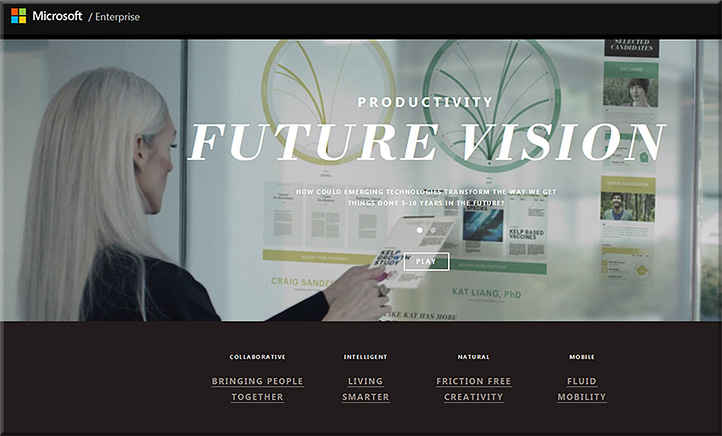
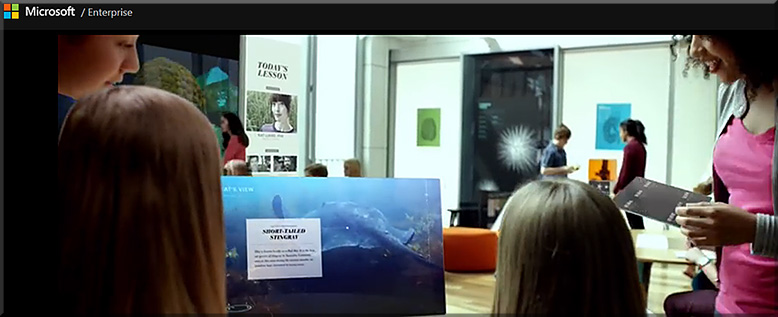
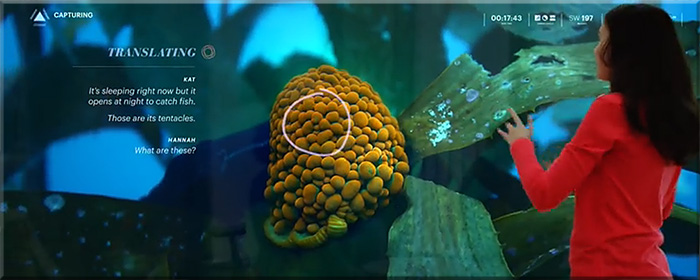
Example snapshots from
Microsoft’s Productivity Future Vision


MicrosoftProductivityVision2-2015


MicrosoftProductivityVision3-2015


MicrosoftProductivityVision5-2015


MicrosoftProductivityVision6-2015


MicrosoftProductivityVision7-2015


MicrosoftProductivityVision8-2015


MicrosoftProductivityVision4-2015


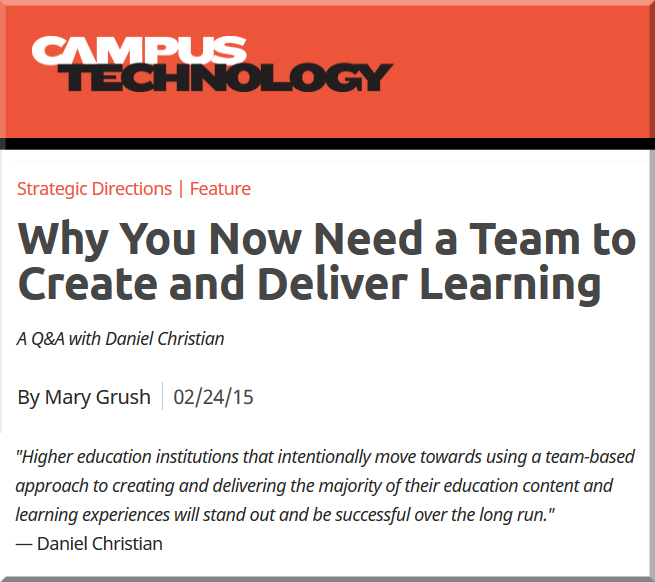
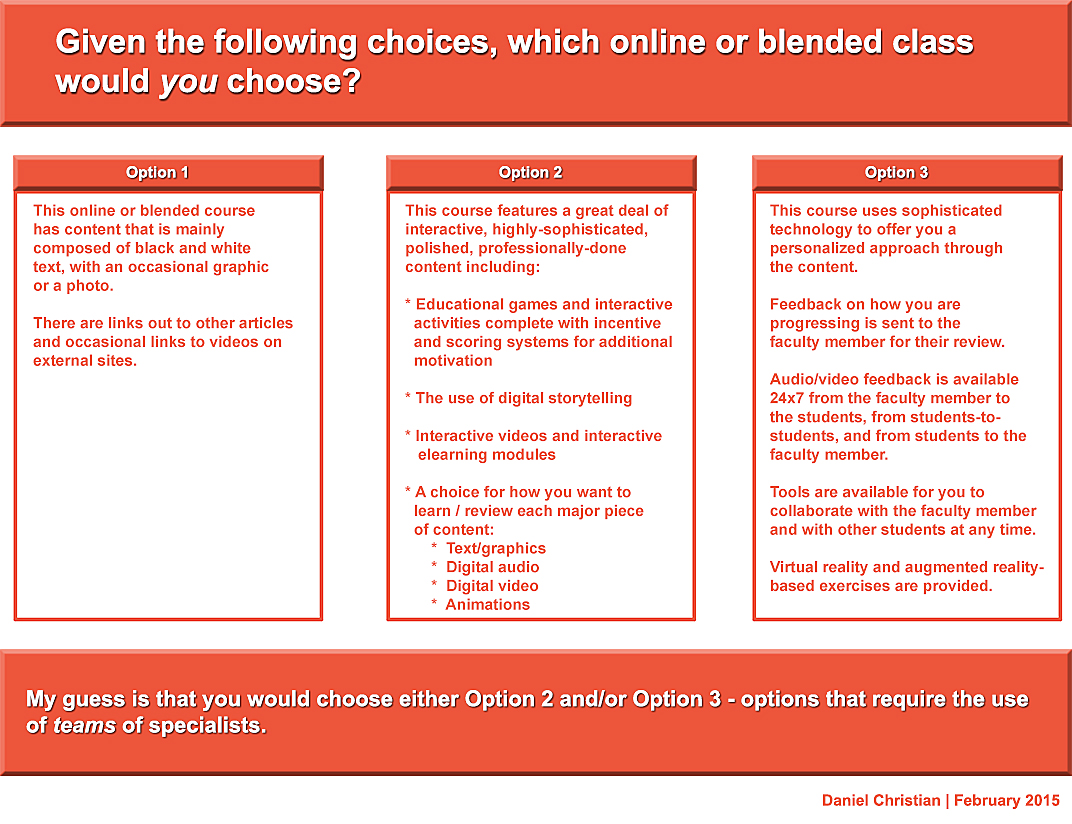
My thanks to Mary Grush at Campus Technology for her continued work in bringing relevant topics and discussions to light — so that our institutions of higher education will continue delivering on their missions well into the future. By doing so, learners will be able to continue to partake of the benefits of attending such institutions. But in order to do so, we must adapt, be responsive, and be willing to experiment. Towards that end, this Q&A with Mary relays some of my thoughts on the need to move more towards a team-based approach.

When you think about it, we need teams whether we’re talking about online learning, hybrid learning or face-to-face learning. In fact, I just came back from an excellent Next Generation Learning Space Conference and it was never so evident to me that you need a team of specialists to design the Next Generation Learning Space and to design/implement pedagogies that take advantage of the new affordances being offered by active learning environments.


DanielSChristian-CampusTechologyMagazine-2-24-15


DanielSChristian-CampusTechologyMagazine2-2-24-15


IBM Awards University of Texas at Austin Top Spot in Watson Competition — from indiaeducationdiary.in

Excerpts/applications (emphasis and numbering via DSC):

New York: IBM (NYSE: IBM) today announced the first winner of its Watson University Competition, part of the company’s partnership with top universities through its cognitive computing academic initiative. The winning team of student entrepreneurs from the University of Texas at Austin will receive $100,000 in total in seed funding to help launch a business based on their Watson app, which offers the promise of improved citizen services.
…
The University of Texas at Austin took home top honors with a new app called 1) CallScout, designed to give Texas residents fast and easy access to information about social services in their area. Many of Texas’ 27 million residents rely on the state’s social services – such as transportation, healthcare, nutrition programs and housing assistance – though they can have difficulty finding the right information.
…
“These academic competitions expose students to a new era of computing, helps them build valuable professional skills, and provides an opportunity for young entrepreneurs to bring their ideas to life.”

…
Two other innovative projects rounded out the top three finalists in the competition. Students from the University of Toronto took second place with 2) “Ross,” an app that allows users to ask Watson legal questions related to their case work, speeding research and guiding lawyers to pertinent information to help their case. In third place, students from the University of California, Berkeley, designed a new app called 3) “Patent Fox” that conceptualizes patent ideas, simplifies queries, streamlines filing processes and provides confidence-ranked, evidence-based results.
…
“Through this program we have been able to create a unique experience that not only enabled our students to develop skills in cognitive computing, app development and team work, but also in business development.”
 

From DSC:
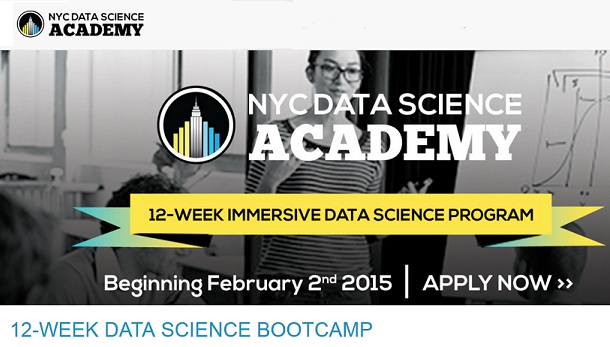
It seems like there’s been an increase in the number of “boot camps” that I’m seeing — below are some examples:


12week-boot-camp-data-scientist


UX-10-WeekImmersiveTraining-OCt2014


FlatironSchool


.

PayWhatYouWantBootcamp-Jan2015


ElevenFifty-CodingAcademy-Jan2015


New MOOC Platform Provides Free IT Certification Courses — from campustechnology.com by Rhea Kelly


Cybrary-IT-Jan2015


People offering their own bootcamps / building their own brands; such as this Two Week Web Development Bootcamp for Beginners by Adam Stanford.


Some other approaches that are occurring:


Ideo U

IDEO-Online-EducationBeta-Oct2014


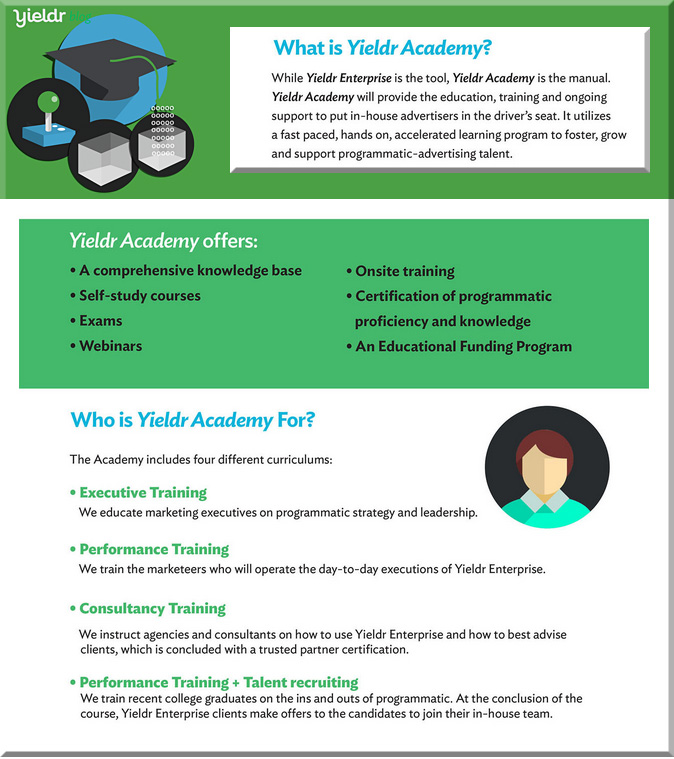
Yieldr Academy

YieldrAcademy-Sept2014

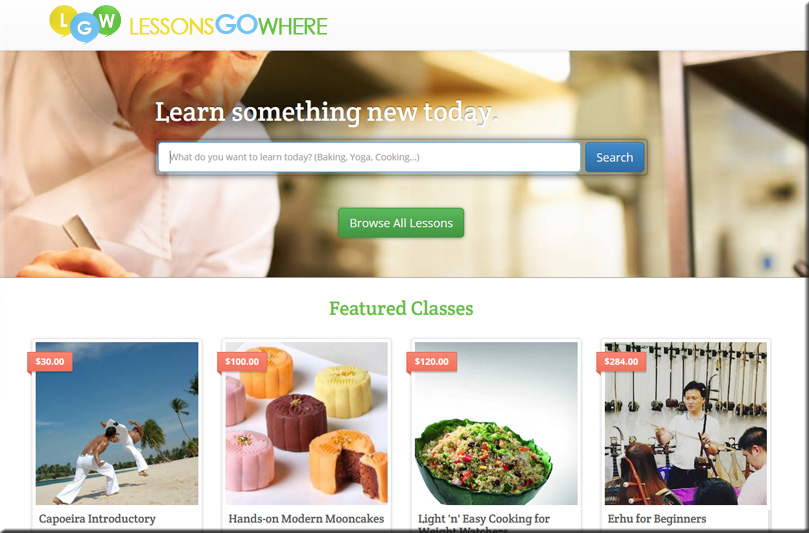
Lessons Go Where

LessonsGoWhere


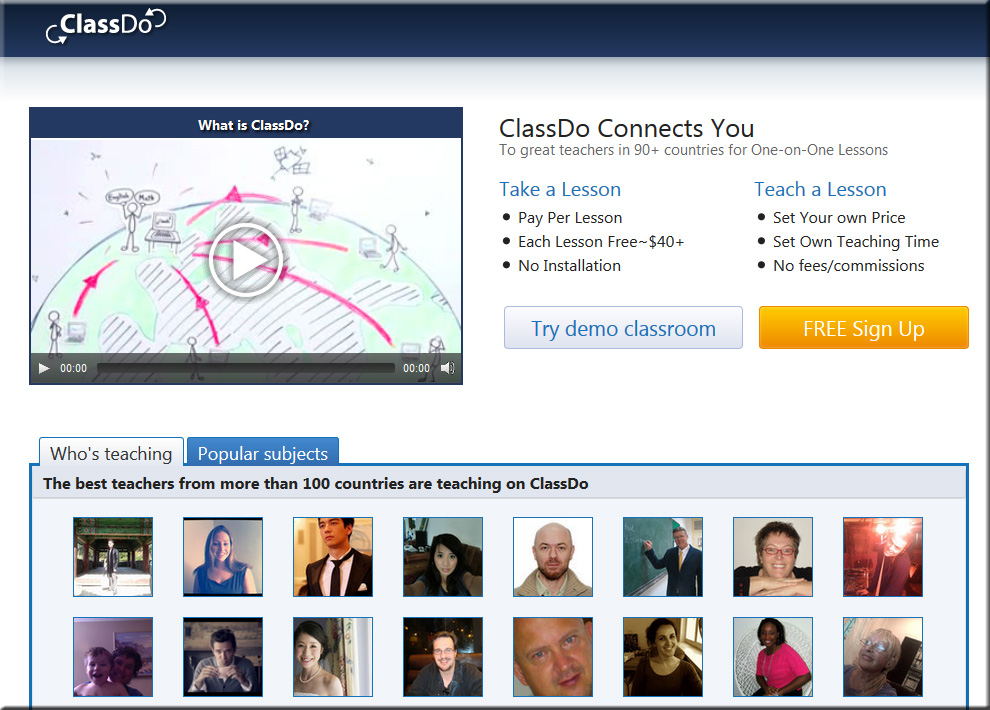
ClassDo

ClassDo


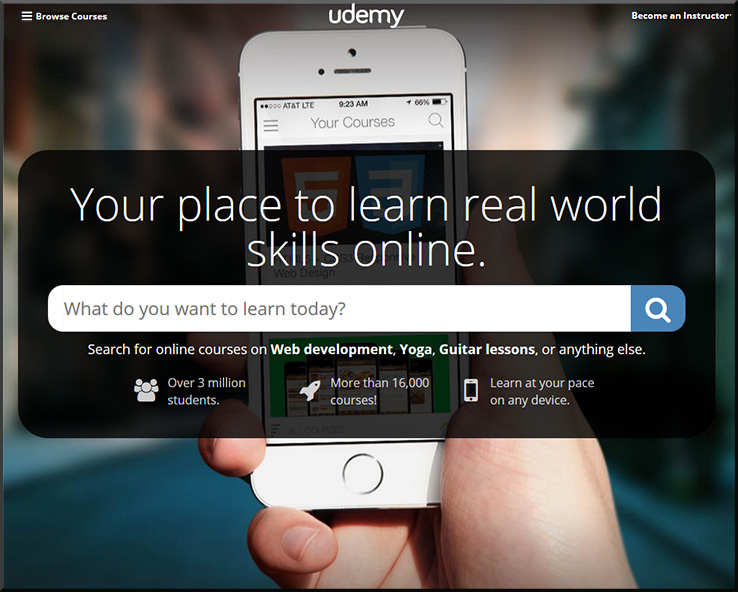
Udemy

udemy


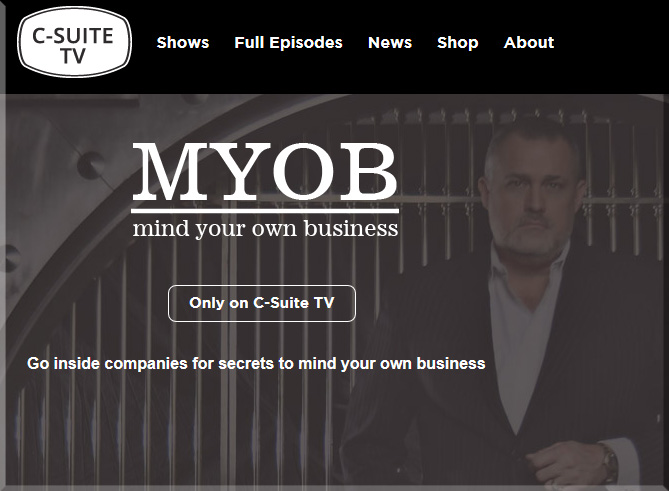
C-Suite TV.com

MYOB-July2014


Simon & Schuster to sell online courses taught by popular authors — from nytimes.com by Alexandra Alter; with thanks to Sidneyeve Matrix for her Tweet on this

Excerpt:

Simon & Schuster is making a push into paid online video, with a new website offering online courses from popular health, finance and self-help authors.

The cost of the first batch of online courses ranges from $25 to $85, and includes workbooks and access to live question-and-answer sessions with three authors: Dr. David B. Agus, the best-selling author of “The End of Illness”; Zhena Muzyka, who wrote the self-help book “Life by the Cup”; and Tosha Silver, the author of the spiritual advice book “Outrageous Openness.” The courses will be available on the authors’ individual websites and on the company’s new site, SimonSays.

.


Simon-Schuster-OnlineCourses-Jan2015

But there is a new wave of online competency-based learning providers that has absolutely nothing to do with offering free, massive, or open courses. In fact, they’re not even building courses per se, but creating a whole new architecture of learning that has serious implications for businesses and organizations around the world.

It’s called online competency-based education, and it’s going to revolutionize the workforce.
…
The key distinction is the modularization of learning.
…
Here’s why business leaders should care: the resulting stackable credential reveals identifiable skillsets and dispositions that mean something to an employer. As opposed to the black box of the diploma, competencies lead to a more transparent system that highlights student-learning outcomes.


From DSC:
Though several of the items above have a slant towards IT/coding/programming, other disciplines may be impacted by these types of trends as well.

These developments are meant for consideration for those of us working within higher education. What do they mean for us? Should they inform more of our strategies? Our visions? Our responses?


Addendums on 2/17/15:


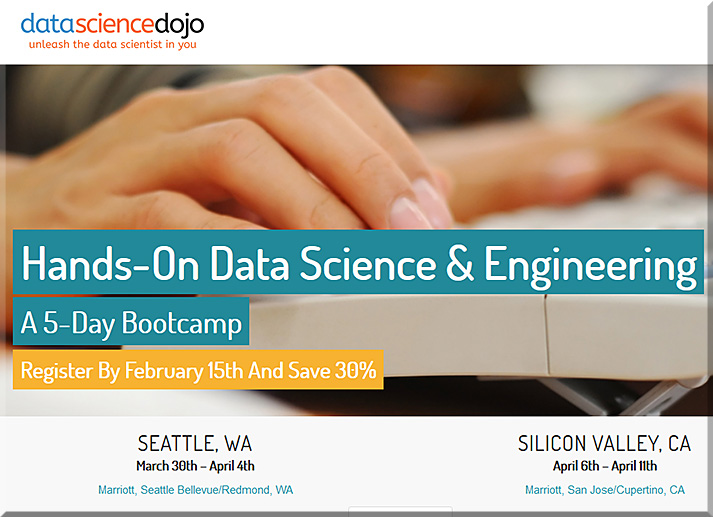
datasciencedojo-bootcamp-2015


Addendum on 3/27/15:


Addendum on 4/1/15 — with thanks to Mr. Cal Keen at Calvin College


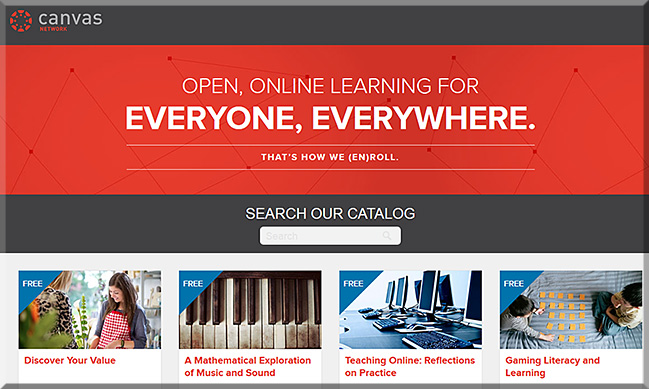
CanvasDotNet-April2015


Addendum on 4/7/15:

  • Udemy alternatives for selling video courses online — from robcubbon.com
    Udemy is currently the leading online learning platform. Their top 10 instructors all made over $500,000 last year and the top earner makes over $8 million. I make $4000+ each month by selling courses on Udemy.


Addendum on 5/1/15:

worldacademy.tv

WorldAcademyDotTV-May2015


Addendum on 5/18/15:

  • 16 Startups Poised to Disrupt the Education Market — from inc.com by Ilan Mochari
    Colleges and universities are facing new competition for customers–students and their parents–from startups delivering similar goods (knowledge, credentials, prestige) more affordably and efficiently. Here’s a rundown of some of those startups.
 

From DSC:
We continue to see more articles and innovations that involve the Internet of Things (IoT) or the Internet of Everything (IoE). This trend has made me reflect upon what I think will be a future, required subset of needed expertise within the fields of Instructional Design, User Experience Design, User Interface Design, Product Development, Programming, Human Computer Interaction (HCI), and likely other fields such as Artificial Intelligence (AI), Augmented Reality (AR), and Virtual Reality(VR) as well.

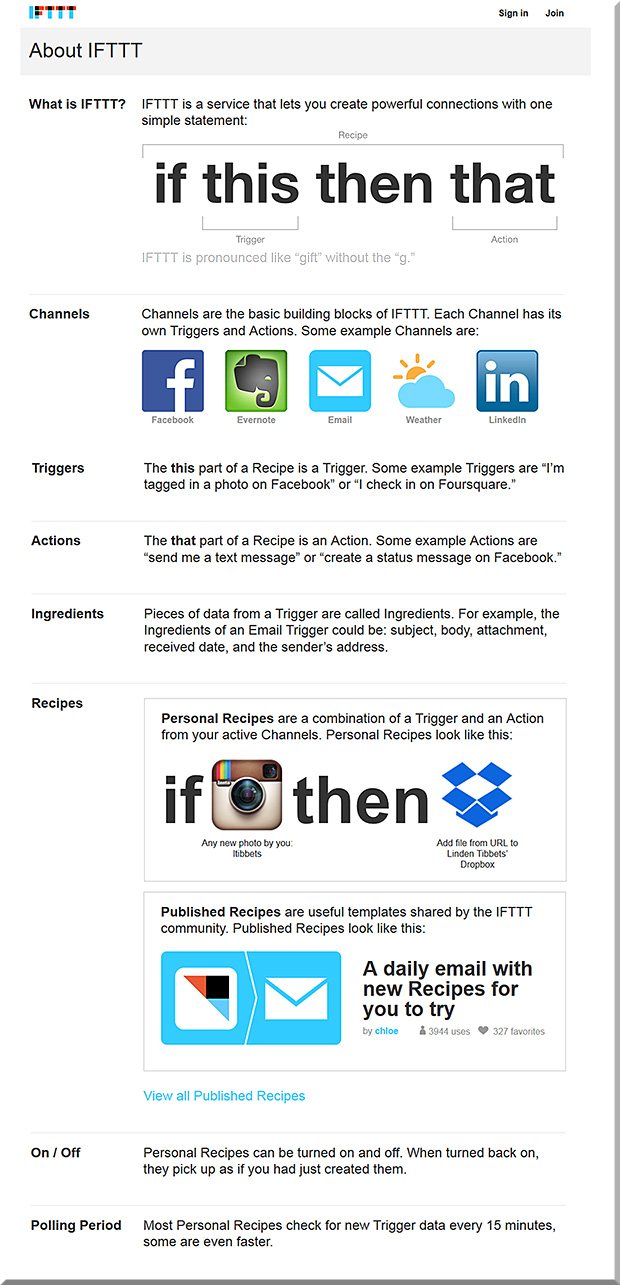
And that is, we will need people who can craft learning experiences from the presence of beacons/sensors and that integrate such concepts as found in “If This Then That” (ifttt.com) whereby one is putting the Internet and cloud/mobile-based applications to work for you. Certainly, those involved in retail are already busy working on these types of projects. But those of us involved with learning, human computer interaction (HCI), and interface design need to get involved as well.


IfThisThenThat-Combined-With-iBeacons


For example, this potential scenario of a K-12 field trip might be fodder for such a learning experience.

So for those individuals who are involved with the aforementioned disciplines…we need to pulse check what new affordances are coming from the rollout and further development of the IoT/IoE.


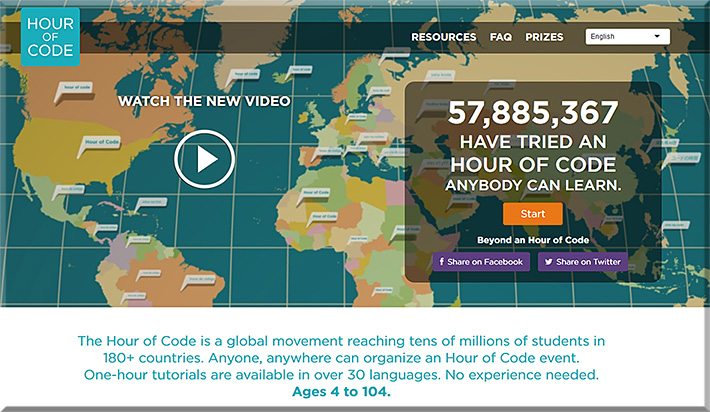
Hour of Code — also see #HourOfCode on Twitter

HourOfCode2014


Programming for Students — Listly by Jon Samuelson
Here is a list of apps and sites to help kids get started programming, learning code, in elementary school and beyond.


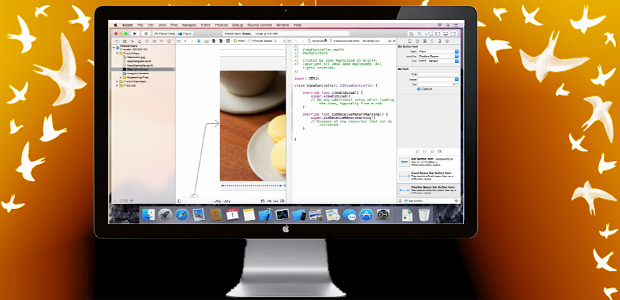
First take: Apple’s Swift speeds programming — from gcn.com by Sean Kosanovich

Excerpt:

Over the summer, Apple introduced a new programming language for creating applications for iOS and OS X devices. As the first alternative to Objective-C, which has powered Apple application development since the mid-1990s, the debut of Swift is a noteworthy event. In a nutshell, Swift is designed to simplify development while enabling more responsive and robust applications.


swift


The World’s Largest iOS 8 + Swift eLearning Bootcamp — from deals.cultofmac.com
Build 70+ apps throughout the 80 hours of content in 24 in-depth courses


From DSC:
There’s been a lot of conversation, debate, and questioning about whether all of our youth should learn to code. While a noble endeavor, I don’t see it working well given most of our current programming languages. Most of our programming languages use syntax/methods/constructs that many of us normally don’t think in terms of; that is, it’s a different way of thinking that doesn’t come naturally for many of us. One only needs to look at the salaries for software developers/web developers/programmers to see that they are paid pretty well. Why? Because it’s definitely not for everyone and the salaries encourage people to go down that path.

So if we are going to go down the path that says that all youth should learn how to code, then we will need much easier-to-work with tools and programming languages…easier to create something quickly…easier to understand.  I don’t know enough about Apple’s Swift programming language, but it seems to be a step in the right direction.  But again, my guess is that even Swift doesn’t go far enough for the majority of us to pick it up.

Finally, The World’s Largest iOS 8 + Swift eLearning Bootcamp item made me reflect upon the need for institutions of traditional higher education to keep their curricula up to date. We need to be responsive to market needs – otherwise, these types of alternatives can become a real threat.  Though not an easy task, we need to ask: “Are we being responsive enough with our course offerings? Are such alternatives going to represent a significant way that many people obtain skills in a shorter amount of time?”


Addendum on 12/11/14:


Addendums on 12/15/14:


Context-Evernote


Excerpt from Context: Your Work Enriched by the Smartest Minds — from blog.evernote.com

Good research happens in three phases. You recall what you know. You consult with someone. You search external sources. We’re applying our machine learning and augmented intelligence expertise to present you with all three research phases automatically, at the moment you need them, without ever leaving your workspace. As you work, Evernote is automatically looking for other information and content that might help you connect the dots/see the big picture. This content can take the form of other notes, people you might talk to or even relevant news sources.

In Evernote, every phrase informs our algorithms about what other content might help you further your project. We call this Context. It’s an extremely powerful new Premium feature coming soon to Evernote.

…

Your knowledge

Your team’s knowledge

Your network

The professionals: Possibly the most powerful new benefit that Context brings is a look at related information from premier news and information sources, including…

  • The Wall Street Journal
  • Factiva
  • LinkedIn
  • TechCrunch
  • CrunchBase
  • Fast Company
  • Inc. Magazine
  • PandoDaily


Also see:

  • Evernote’s CEO: Siri and wearables are doing it wrong — from engadget.com by Devindra Hardawar; with thanks to Mr. Emory Craig for posting this on Twitter
    Excerpt:
    You can see this methodology in place with Context, the new Evernote feature that fetches articles related to your work. Links automatically appear at the bottom of your notes as you’re typing, alongside your past notes and those from your coworkers.
    …
    When you talk about anticipatory computing, it’s only a matter of time until the broader notion of augmented intelligence comes up.
    …
    There are already glimpses of it in Google Now, which is more of an anticipatory notification platform than a friendly assistant like Siri.
 

11 things we just learned about how the Apple Watch works — from theverge.com by Ross Miller


Excerpt:

As of [11/18/14] , developers can now make apps for Apple Watch. Well, they’re not separate apps so much as they are extensions of pre-existing iPhone apps, and there isn’t a lot of flexibility in the WatchKit toolset — but it looks like that’ll change next year.

 
© 2025 | Daniel Christian