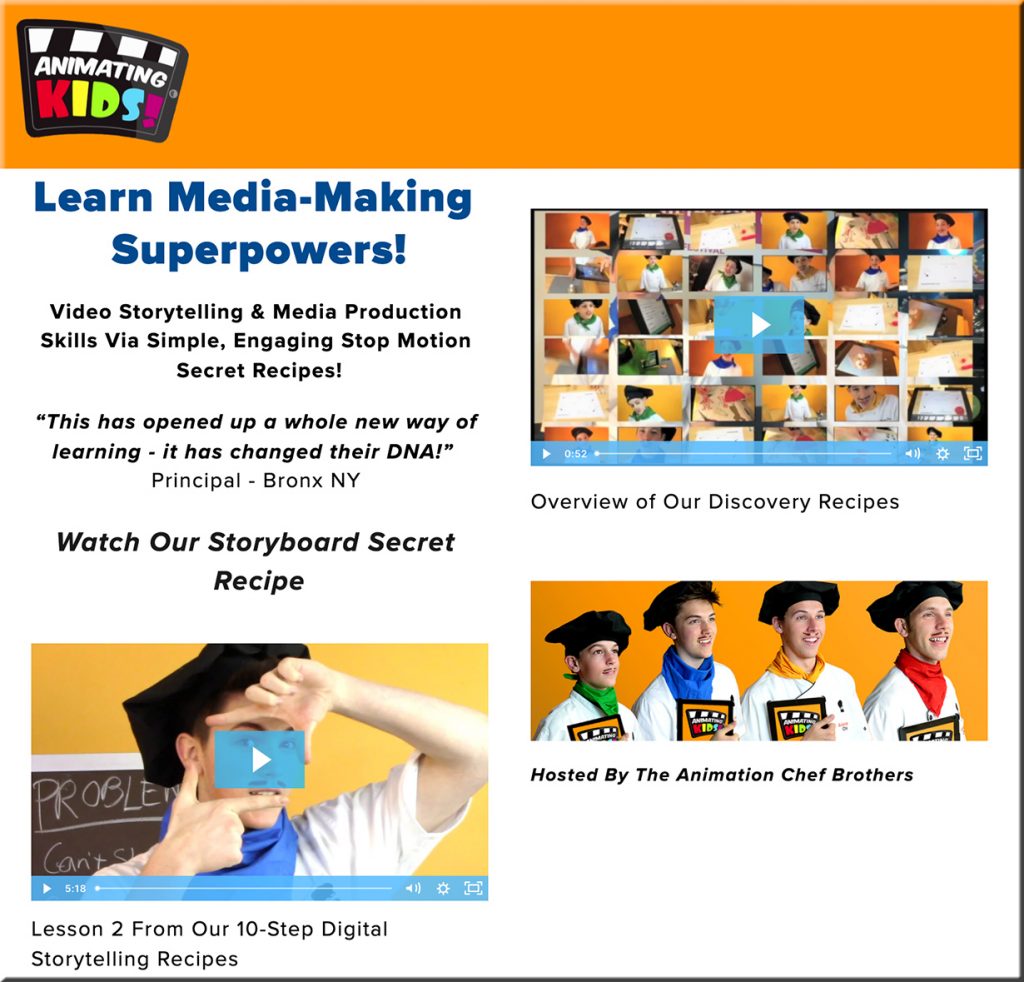
AnimatingKids.com — with thanks to Mrs. Julie Bender (an excellent art teacher within the K-12 space) for this resource
Free examples:
- 4 New Animation Kits Below
PDFs with How-to videos, secret animation recipes, and printable coloring sheets.
AnimatingKids.com — with thanks to Mrs. Julie Bender (an excellent art teacher within the K-12 space) for this resource
Free examples:
Web 3.0 vs Metaverse: What’s the difference? — from homo-digitalis.net by Fabian Schmidt
Excerpt:
So what is Web 3.0?
On Twitter, a user asked if someone could explain the term in baby talk. I thought one answer was good:
This is a sufficient simplification to gain an initial understanding. Yet a bit more information is still important.
Let’s get one thing straight right away. As with all things in the making, there is not yet a clear-cut definition of Web 3.0. Tim Berners-Lee, the inventor of the classic web, thinks of the semantic web as the next big step.
…
Since 2020/2021, there is another idea of Web3, and it is inspired by a new form of technology: Blockchains. At its core is a new wave of decentralization.
Besides decentralization, other key topics related to Web 3.0 include Decentralized Autonomous Organizations (DAO), Non-fungible-tokens (NFT), and Decentralized Finance (DeFi).
The metaverse is a digital world that is meant to feel as real as possible and can represent all concerns of human existence. From leisure to work.
Fabian Schmidt, Homo Digitalis, 2021
Bill Gates: Most Work Meetings Will Happen In The Metaverse In 3 Years — from vrscout.com by Kyle Melnick
Excerpt:
“Within the next two or three years, I predict most virtual meetings will move from 2D camera image grids—which I call the Hollywood Squares model, although I know that probably dates me—to the metaverse, a 3D space with digital avatars,” said Gates in the post. “Both Facebook and Microsoft recently unveiled their visions for this, which gave most people their first view of what it will look like”.
Adidas to enter the metaverse with first NFT products — from dezeen.com by Rima Sabina Aouf
Excerpt:
Adidas has announced its next collection will be a mix of digital and physical items, and will be sold as NFTs produced with collaborators such as Bored Ape Yacht Club.
Titled Into the Metaverse, the collection will comprise virtual wearables that buyers can use in online platforms, but also the physical clothing to match.
It is Adidas’ first collection of NFTs, or non-fungible tokens – essentially, digital collectibles with proven authenticity. NFTs act as a blockchain-based certificate of ownership, allowing pieces to be authenticated, bought and collected.
How Coinbase thinks about the Metaverse — from blog.coinbase.com by Brian Armstrong & Alex Reeve
Excerpt:
Primitive Metaverse platforms are selling virtual land for millions of dollars. Billions more are being invested in Metaverse startups. And Mark Zuckerberg recently renamed his entire company to reflect a focus on building the Metaverse.
…
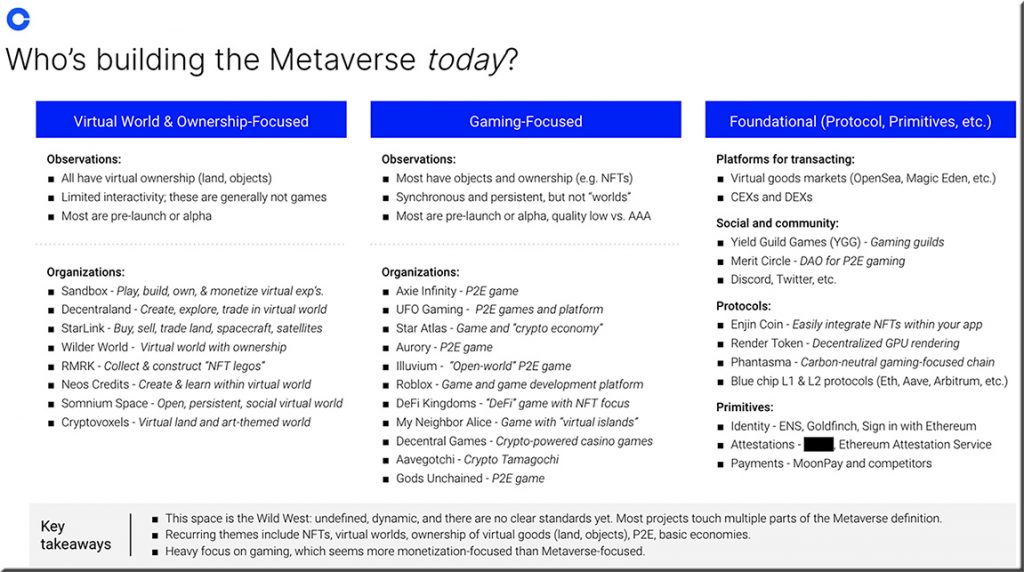
Recently, our team put together an internal presentation about the Metaverse, who’s working on it, and how crypto will help make it real. I thought the presentation was well done, so I’m sharing most of the slides here.
…
Like Matt[hew Ball], we define the Metaverse as:
The future of the internet: A massively-scaled, persistent, interactive, and interoperable real-time platform comprised of interconnected virtual worlds where people can socialize, work, transact, play, and create.
…
The Metaverse is the distant evolution of Web3. In its most complete form, it will be a series of decentralized, interconnected virtual worlds with a fully functioning economy where people can do just about anything they can do in the physical world.
 Quality Matters > Higher Education News > December 2021
Throughout the year, we — along with members of our amazing community — share resources to help all of us deliver on our online promise. Here are some of the most popular items from 2021 for you to use and share:
ELC 070: Conversation Design for the Voice User Interface — from theelearningcoach.com (ELC) by Connie Malamed
A Conversation with Myra Roldan
Excerpt (emphasis DSC):
Do you wonder what learning experience designers will be doing in the future? I think one area where we will need to upskill is in conversation design. Think of the possibilities that chatbots and voice interfaces will provide for accessing information for learning and for support in the flow of work. In this episode, I speak with Myra Roldan about conversation design for the voice user interface (VUI). We discuss what makes an effective conversation and the technologies for getting started with voice user interface design.
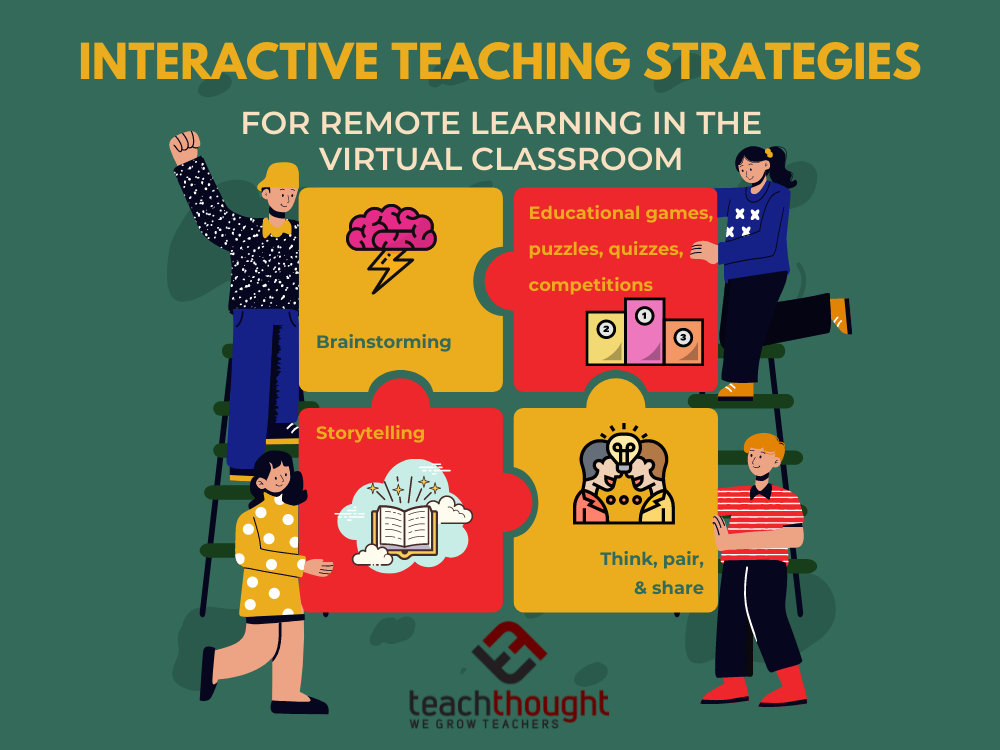
What Are The Best Online Teaching Strategies For eLearning Classrooms? — from teachthought.com
Google Earth Lesson Plan — from techlearning.com by Stephanie Smith Budhai
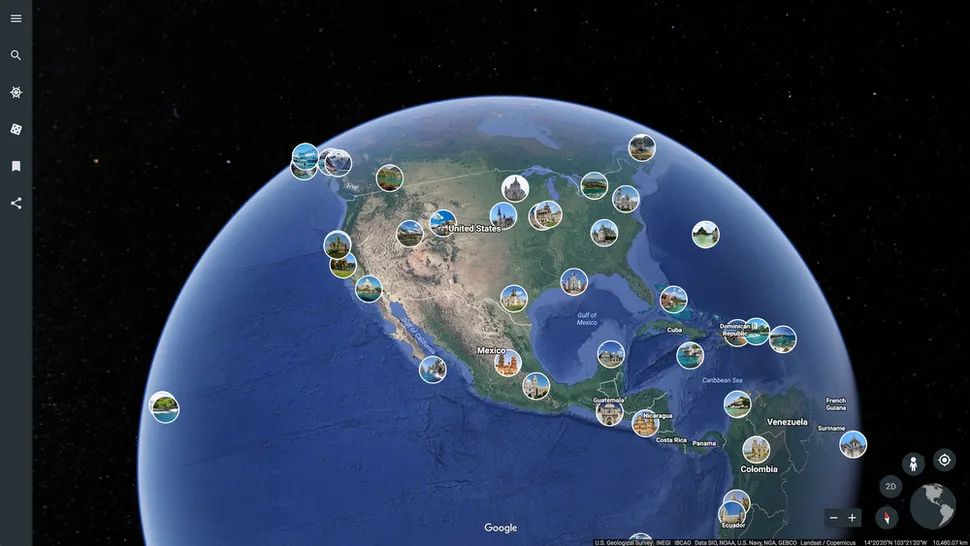
Excerpt:
The 3D interactive online exploration platform Google Earth provides a pathway to endless learning adventures around the globe. For an overview of Google Earth and a breakdown of its unique features, check out How to Use Google Earth for Teaching.
#augmentedreality #xr #ar #future #piano #music #tech #engineering #design
Interactive keyboard projection mapping with @m_audio
using @notchvfx & @touchdesigner by @foraus .incImage/video credits: @vr_accelerator rt @WevolverApp
cc @CurieuxExplorer @tantriclens @Shi4Tech pic.twitter.com/LUkDWUfn9s— Heinz V. Hoenen (@HeinzVHoenen) August 24, 2021
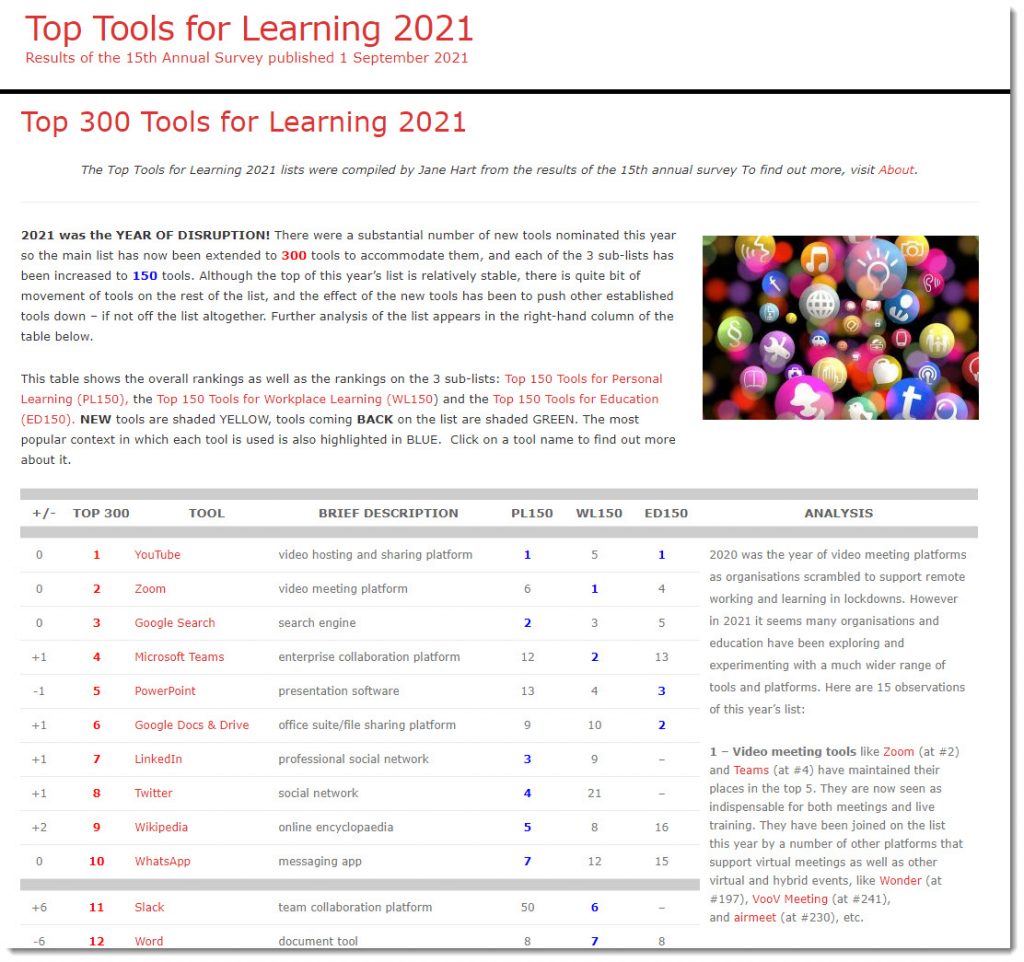
Top 300 Tools for Learning 2021 — from toptools4learning.com by Jane Hart
Excerpt:
2021 was the YEAR OF DISRUPTION! There were a substantial number of new tools nominated this year so the main list has now been extended to 300 tools to accommodate them, and each of the 3 sub-lists has been increased to 150 tools. Although the top of this year’s list is relatively stable, there is quite bit of movement of tools on the rest of the list, and the effect of the new tools has been to push other established tools down – if not off the list altogether. Further analysis of the list appears in the right-hand column of the table below.
This table shows the overall rankings as well as the rankings on the 3 sub-lists: Top 150 Tools for Personal Learning (PL150), the Top 150 Tools for Workplace Learning (WL150) and the Top 150 Tools for Education (ED150). NEW tools are shaded YELLOW, tools coming BACK on the list are shaded GREEN. The most popular context in which each tool is used is also highlighted in BLUE. Click on a tool name to find out more about it.
Tools for Building Branching Scenarios — from christytuckerlearning.com by Christy Tucker
When would you use Twine, Storyline, Rise, or other tools for building branching scenarios? It depends on the project and goals.
Excerpt:
When would you use Twine instead of Storyline or other tools for building branching scenarios? An attendee at one of my recent presentations asked me why I’d bother creating something in Twine rather than just storyboarding directly in Storyline, especially if I was using character images. Whether I would use Twine, Storyline, Rise, or something else depends on the project and the goals.
When Should You Use Branching Video Scenarios for eLearning? — from learningsolutionsmag.com by Bill Brandon
Excerpt:
Among the many changes today in the way we think about learning and training is the shift from knowledge transfer to skill development. Scenario-based learning (SBL) and the inclusion of practice with feedback are often overlooked but in many cases more effective approaches to the development of skill and competence.
What’s a scenario?
A scenario is a type of story; it presents learners with a situation in a way that engages them and places them in the situation. Scenarios are a methodology for quickly creating and delivering content to an audience based on needs and feedback. Scenarios are closely related to microlearning, and in fact some microlearning employs short scenarios as the main method of delivery. Learners are able to make decisions, solve problems, apply knowledge, and practice skills. The scenario presents challenges like the ones the learners will face in real-life situations.
The story is important! In his book Scenario-based Learning: Using Stories to Engage Learners, Ray Jimenez says, “The design of scenario-based training requires the craftsmanship of a storyteller, an instructional designer, and a subject matter expert.”
Leveraging EdTech: brilliant tools for student voice — from global-edtech.com by Cecilia Astolfi
Cecilia Astolfi provides three very useful tips for any teachers wishing to promote student voice in the classroom
There are three tools I recommend in order to enhance the ability of students to express their views in a constructive and valuable manner.
Best Microsoft PowerPoint Tips and Tricks for Teachers — from by Luke Edwards
You may be amazed to see how much you can get out of Microsoft PowerPoint as a teacher
Excerpt:
5. Create Instagram Stories in PowerPoint
Another social media app that has great traction with students is Instagram, specifically the Stories feature that allows you to share images or videos from the day, which are wiped for a fresh set each day.
Imagine doing this in class? Perhaps the students could carry on a story you were studying in class. Maybe they could tell the tale of a comet as it travels through space. The options are huge and it’s easy to do using this PowerPoint template as a starting point.
6 kids games that make math learning engaging and entertaining — from educatorstechnology.com
Excerpt:
BBC School Radio Maths is an excellent educational resource we learned from MakeUseOf‘ s list of 10 Cool Math Games for Kids. School Radio Maths offers a wide variety of educational games to help kids develop their math skills. Kids will get to grapple with various numeracy challenges that involves a higher degree of mental skills. The games are entertaining enough to keep pupils motivated and focused on the learning task at hand.
6 strategies to help you improve your math skills — from educatorstechnology.com
Excerpt:
As a child, did you love math back in the elementary? Now that you are an adult, do you feel awkward with your Mathematic’s skills? Let’s admit it – not everyone is great at Math. Some find it fun, brilliant, stimulating others find it too difficult to comprehend.
However, the stigma associated with math learning is not always true especially knowing that Math is omnipresent and is being used in almost every facet of our life. The purpose of this post is to share with you some of the ways to help you strengthen your Math skills.
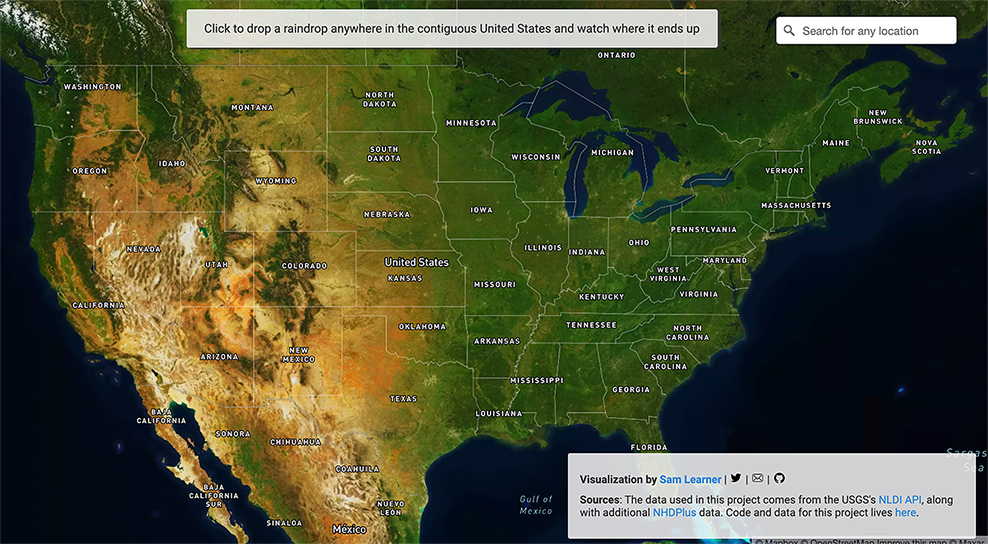
This map lets you fly along the path of a drop of water from any place in the U.S. — from fastcompany.com by Adele Peters
Click on any spot or enter an address, and it will show where the water is likely to flow. Good for both learning how pollution and plastic spreads, but also for an aerial visual ride of the country’s waterways.
Also see: river-runner.samlearner.com/
Hands-On with the Lego Snapchat Augmented Reality Experience That Lets You Build With Friends Remotely — from next.reality.news by Adario Strange
Excerpt:
The world of Lego is timeless primarily because everyone, regardless of age or background, can build a wide variety of amazing things with the simple component blocks from the classic toymaker.
But now that Snapchat has brought that dynamic to augmented reality via the Rebuild the World Snapchat Lens the possibilities are truly endless.
Snap Spectacles Early Prototype, Volkswagen Drives into AR, Inside Lego Snapchat, & Instagram Updates AR — from next.reality.news by Tommy Palladino
Best Apps To Learn The Korean Language — from edtechreview.in by Saniya Khan
Excerpt:
Korean, one of the popular Asian languages for non-native speakers, is the official language of the Republic of Korea (South Korea) and the Democratic People’s Republic of Korea (North Korea).
This is an increasingly important language globally considering South Korea’s powerful economy, geopolitical importance, and growing presence in Asian pop culture; perhaps one reason for garnering a surprising amount of interest in people worldwide to learn the Korean language.
5 Places to Sell Your Artwork Online — from hongkiat.com
Excerpt:
Selling art online is making a comeback. Artists have been selling their work on the Internet but as of late, there’s an increase in online art sales. You can of course build your own website to share your art, run your own marketing and promotional exercise via social media and other channels but you will probably gain more exposure with the following websites . Time to get your beautiful art out there.
12 good edtech tools to use in your distance education — from educatorstechnology.com
Excerpt:
Looking for some educational websites to help you with the management of your online (and also face-to-face) classroom teaching? The list below has you covered. It features a collection of some popular web tools you can use to perform a wide variety of educational tasks. These include: creating interactive video lessons, collect formative assessments and provide real-time feedback to students, enhance students learning through the use of digital games and flashcards, create online classes and share assignments and learning resources with students, organize students into appropriate learning groups and many more. Links to these websites are under the visual.
Video Lectures: 4 Tips for Teachers — from techlearning.com by Erik Ofgang
Creating short and engaging video lectures for students is a growing trend at education institutions
Excerpt:
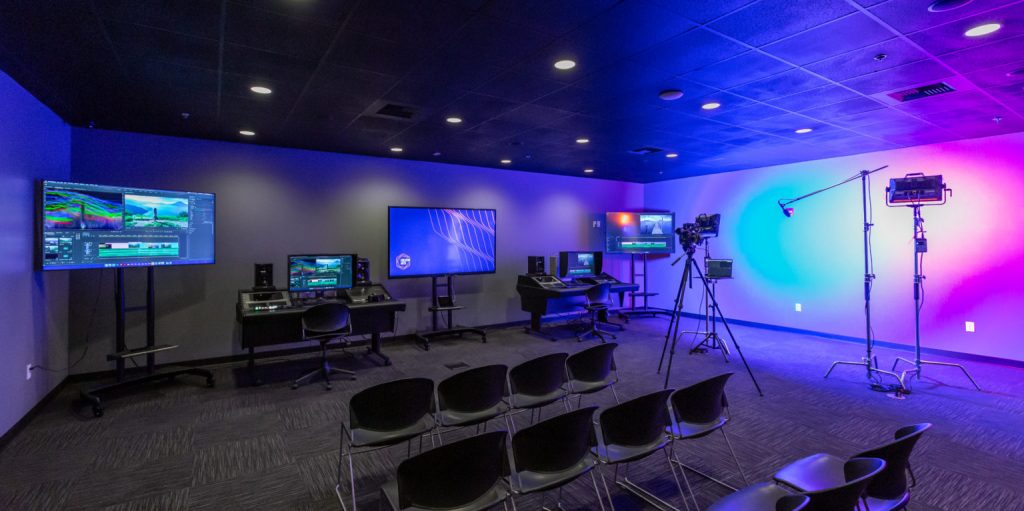
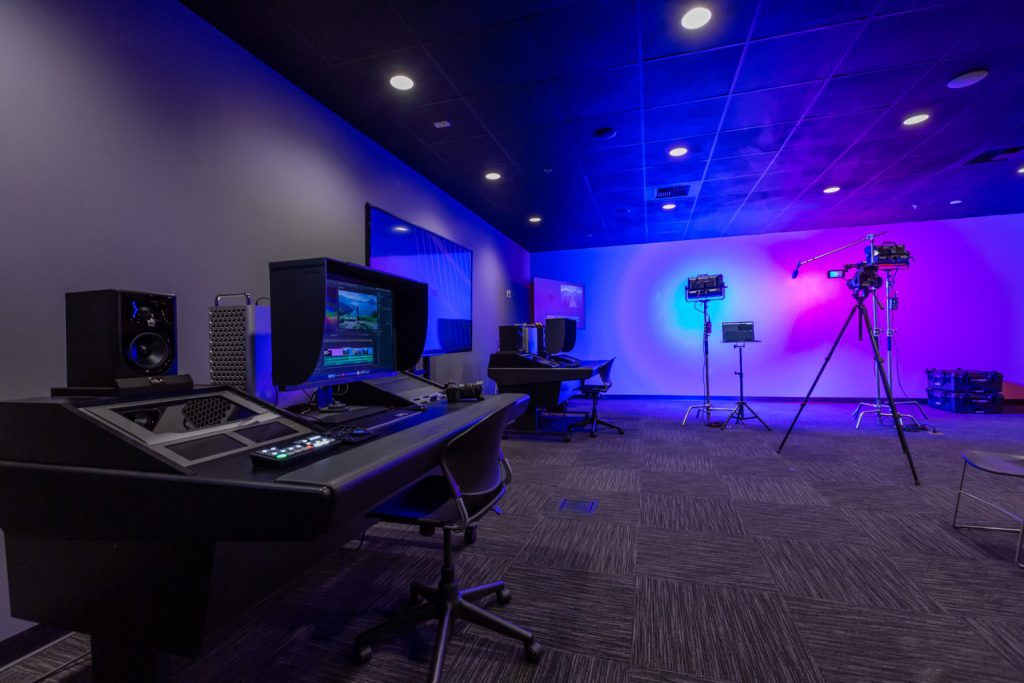
To encourage a more professional type of evergreen video resource, the institution has invested in lecture capture studios, adding five new ones over the past year so each campus has at least one. Some of these studios are DIY, others require a crew, but all enable professors to record lectures in a professional recording environment, complete with green screens and high-quality lighting and audio. The recordings are then edited by the studio team who can help the professor follow the best pedagogical practices for video recordings, including keeping videos short and engaging.
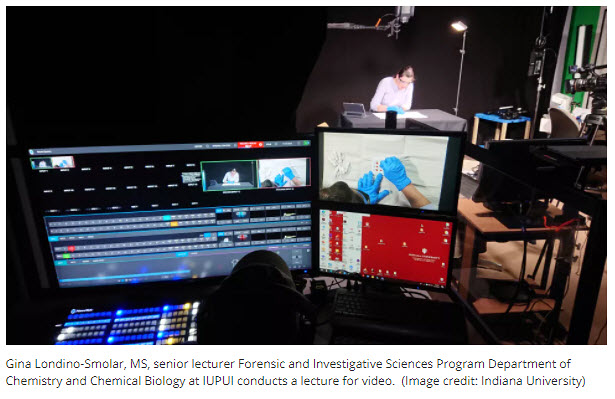
From DSC:
A great example of using of teams to create higher-quality, engaging, interactive learning content.
Also see:
Adorama Business Solutions Equips New Classroom Studio for West Coast Baptist College Creative Arts Department — from svconline.com
Workspace Allows Department to Expand Video Production and Editing Course Offerings