Credentialed learning for all -- from Getting Smart


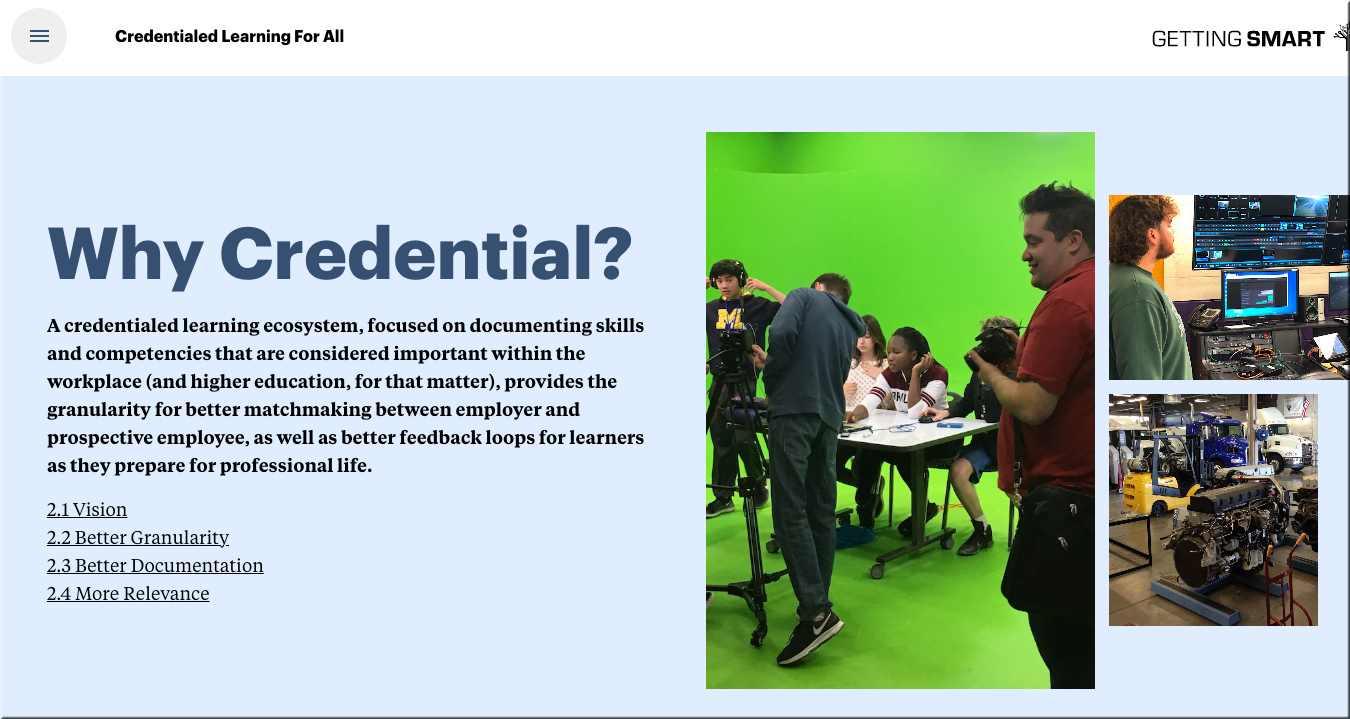
Why credential section -- from Getting Smart's Credentialed Learning for All

Credentialed Learning For All — from gettingsmart.com

Vision

Learning happens throughout life and is not isolated to the K-12 or higher education sectors. Yet, often, validations of learning only happen in these specific areas. The system of evaluation based on courses, grades, and credit serves as a poor proxy for communicating skills given the variation in course content, grade inflation, and inclusion of participation and extra credit within course grades.

Credentialed learning provides a way to accurately document human capability for all learners throughout their life. A lifetime credentialed learning ecosystem provides better granularity around learning, better documentation of the learning, and more relevance for both the credential recipient and reviewer. This improves the match between higher education and/or employment with the individual, while also providing a more clear and accurate lifetime learning pathway.

With a fully-credentialed system, individuals can own well-documented evidence of a lifetime of learning and choose what and when to share this data. This technology enables every learner to have more opportunities for finding the best career match without today’s existing barriers around cost, access, and proxies.


Addendum on 4/28/23 — speaking of credentials:

First Rung — from the-job.beehiiv.com by Paul Fain
New research shows stacking credentials pays off for low-income learners.

Stacking credentials pays off for many low-income students, new research finds, but only if learners move up the education ladder. Also, Kansas is hoping a new grant program will attract more companies to participate in microinternships.
 

What Is the Secret Sauce for Deeper Learning? — from cultofpedagogy.com by Jennifer Gonzalez

Excerpt:

One place that was a consistent source of deep learning was what Fine and Mehta referred to as “the periphery,” elective classes like art and robotics and extracurriculars like debate and athletics that are outside of what we consider to be the core academic classes. “Nobody talks very much about what’s going on in those spaces,” Fine says, “and yet they were the places where we saw the richest learning happening.” In these spaces, much of what they call the “grammar” of school is different: Students are there by choice, they have opportunities for apprenticeship and leadership, they can specialize in a subdomain of the field, and there’s usually a real product being produced for an authentic audience.

In the book, the authors used a school theater program as an example of this kind of learning at the periphery.


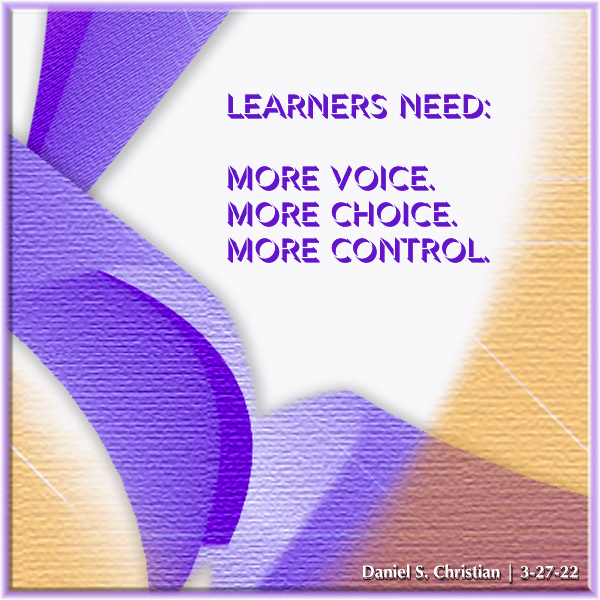
Learners need: More voice. More choice. More control. -- this image was created by Daniel Christian


Fostering sustainable learning ecosystems — from linkedin.com by Patrick Blessinger

Excerpt (emphasis DSC):

Learning ecosystems
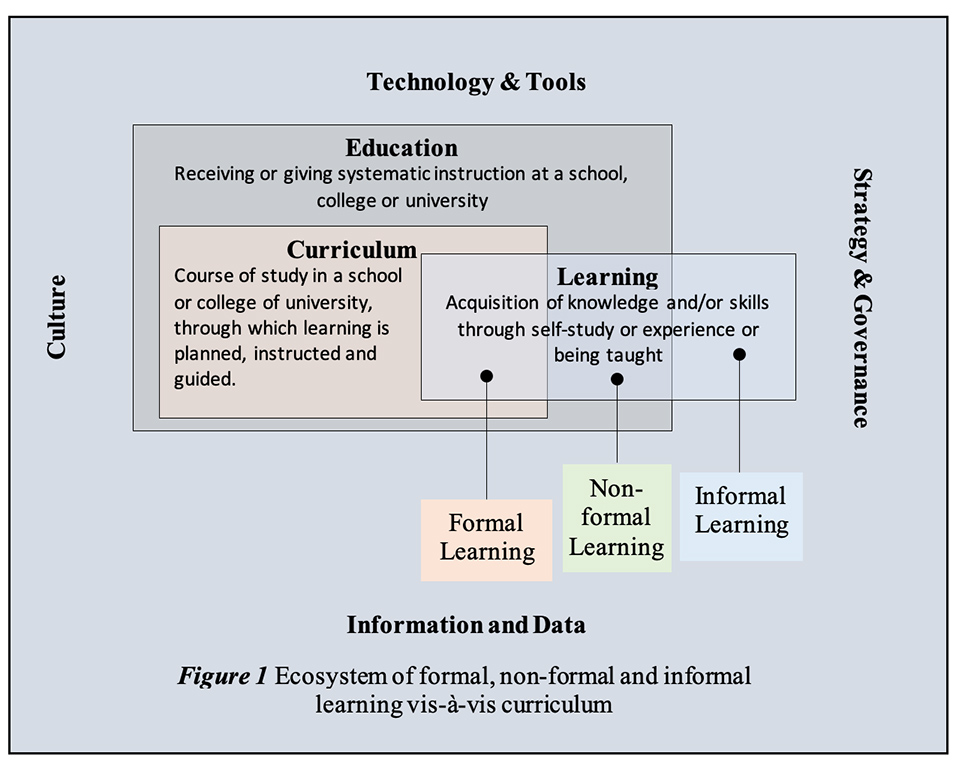
As today’s global knowledge society becomes increasingly interconnected and begins to morph into a global learning society, it is likely that formal, nonformal, and informal learning will become increasingly interconnected. For instance, there has been an explosion of new self-directed e-learning platforms such as Khan Academy, Open Courseware, and YouTube, among others, that help educate billions of people around the world.

A learning ecosystem includes all the elements that contribute to a learner’s overall learning experience. The components of a learning ecosystem are numerous, including people, technology platforms, knowledge bases, culture, governance, strategy, and other internal and external elements that have an impact on learning. Therefore, moving forward, it is crucial to integrate learning across formal, nonformal, and informal learning processes and activities in a more strategic way.

Learning ecosystems -- formal, informal, and nonformal sources of learning will become more tightly integrated in the future


From DSC:
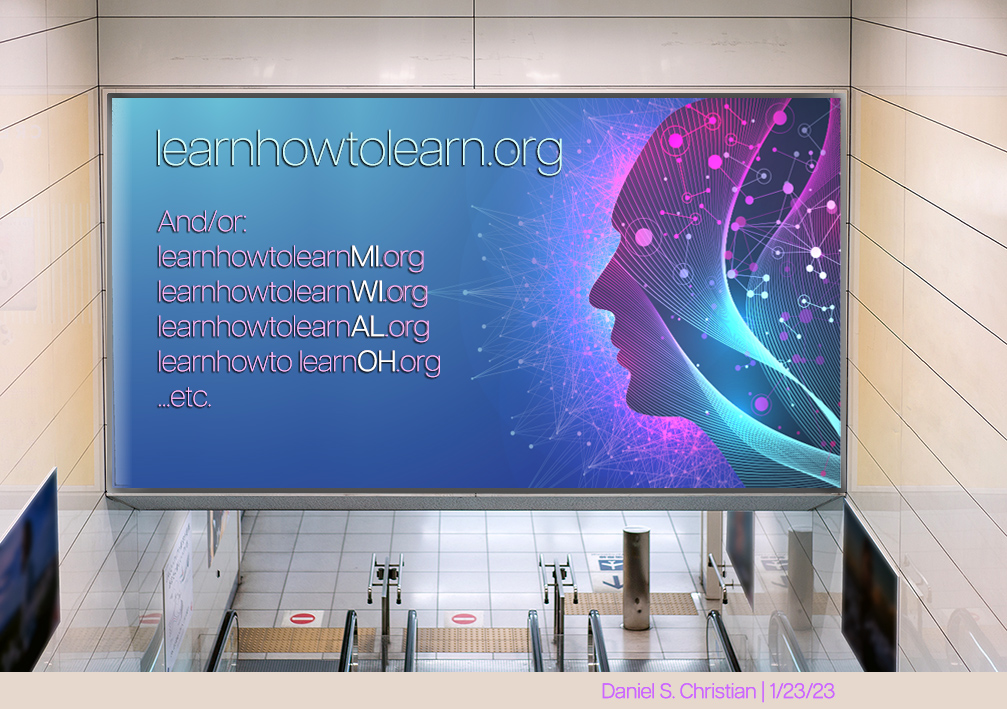
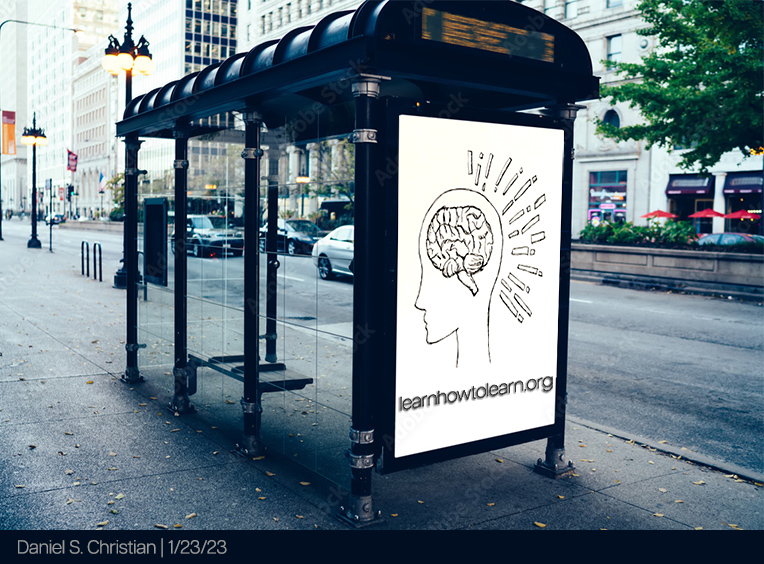
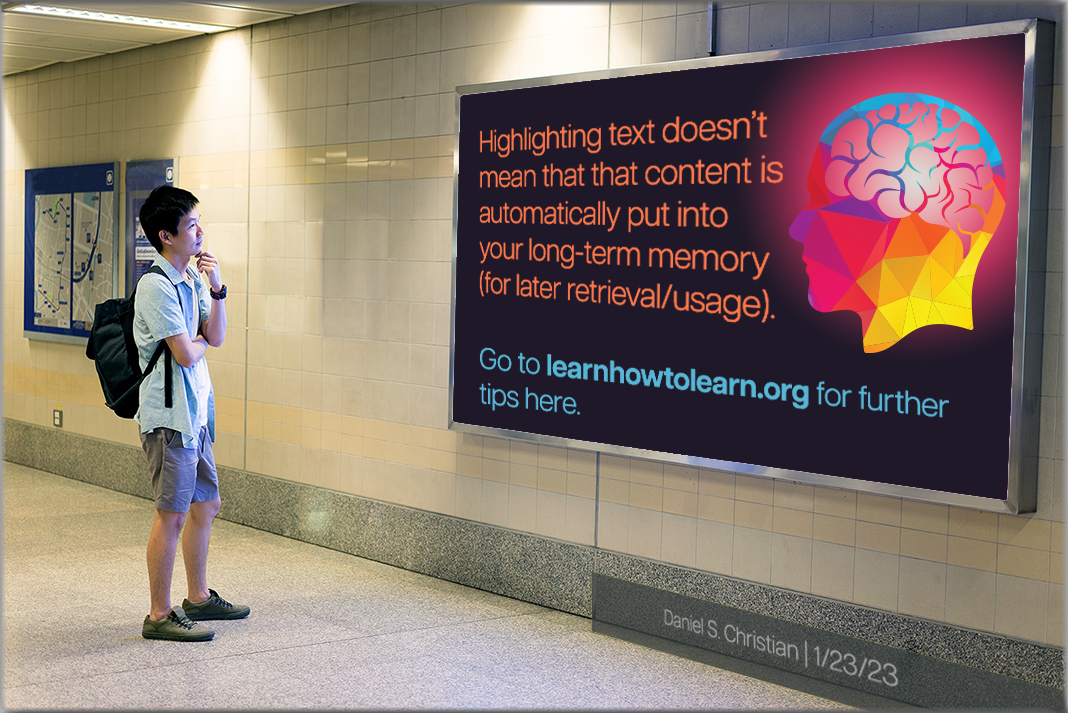
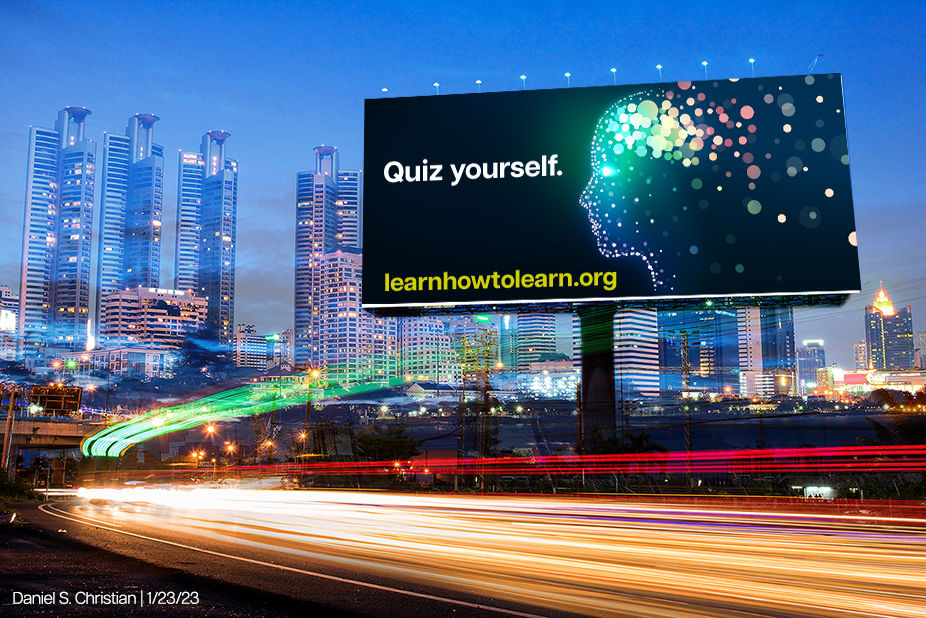
Let’s put together a nationwide campaign that would provide a website — or a series of websites if an agreement can’t be reached amongst the individual states — about learning how to learn. In business, there’s a “direct-to-consumer” approach. Well, we could provide a “direct-to-learner” approach — from cradle to grave. Seeing as how everyone is now required to be a lifelong learner, such a campaign would have enormous benefits to all of the United States. This campaign would be located in airports, subway stations, train stations, on billboards along major highways, in libraries, and in many more locations.

We could focus on things such as:

  • Quizzing yourself / retrieval practice
  • Spaced retrieval
  • Interleaving
  • Elaboration
  • Chunking
  • Cognitive load
  • Learning by doing (active learning)
  • Journaling
  • The growth mindset
  • Metacognition (thinking about one’s thinking)
  • Highlighting doesn’t equal learning
  • There is deeper learning in the struggle
  • …and more.

A learn how to learn campaign covering airports, billboards, subways, train stations, highways, and more


A learn how to learn campaign covering airports, billboards, subways, train stations, highways, and more


A learn how to learn campaign covering airports, billboards, subways, train stations, highways, and more


A learn how to learn campaign covering airports, billboards, subways, train stations, highways, and more


NOTE:
The URL I’m using above doesn’t exist, at least not at the time of this posting.
But I’m proposing that it should exist.


A group of institutions, organizations, and individuals could contribute to this. For example The Learning Scientists, Daniel Willingham, Donald Clark, James Lang, Derek Bruff, The Learning Agency Lab, Robert Talbert, Pooja Agarwal and Patrice Bain, Eva Keffenheim, Benedict Carey, Ken Bain, and many others.

Perhaps there could be:

  • discussion forums to provide for social interaction/learning
  • scheduled/upcoming webinars
  • how to apply the latest evidence-based research in the classroom
  • link(s) to learning-related platforms and/or resources
 

Some example components of a learning ecosystem [Christian]

A learning ecosystem is composed of people, tools, technologies, content, processes, culture, strategies, and any other resource that helps one learn. Learning ecosystems can be at an individual level as well as at an organizational level.

Some example components:

  • Subject Matter Experts (SMEs) such as faculty, staff, teachers, trainers, parents, coaches, directors, and others
  • Fellow employees
  • L&D/Training professionals
  • Managers
  • Instructional Designers
  • Librarians
  • Consultants
  • Types of learning
    • Active learning
    • Adult learning
    • PreK-12 education
    • Training/corporate learning
    • Vocational learning
    • Experiential learning
    • Competency-based learning
    • Self-directed learning (i.e., heutagogy)
    • Mobile learning
    • Online learning
    • Face-to-face-based learning
    • Hybrid/blended learning
    • Hyflex-based learning
    • Game-based learning
    • XR-based learning (AR, MR, and VR)
    • Informal learning
    • Formal learning
    • Lifelong learning
    • Microlearning
    • Personalized/customized learning
    • Play-based learning
  • Cloud-based learning apps
  • Coaching & mentoring
  • Peer feedback
  • Job aids/performance tools and other on-demand content
  • Websites
  • Conferences
  • Professional development
  • Professional organizations
  • Social networking
  • Social media – Twitter, LinkedIn, Facebook/Meta, other
  • Communities of practice
  • Artificial Intelligence (AI) — including ChatGPT, learning agents, learner profiles, 
  • LMS/CMS/Learning Experience Platforms
  • Tutorials
  • Videos — including on YouTube, Vimeo, other
  • Job-aids
  • E-learning-based resources
  • Books, digital textbooks, journals, and manuals
  • Enterprise social networks/tools
  • RSS feeds and blogging
  • Podcasts/vodcasts
  • Videoconferencing/audio-conferencing/virtual meetings
  • Capturing and sharing content
  • Tagging/rating/curating content
  • Decision support tools
  • Getting feedback
  • Webinars
  • In-person workshops
  • Discussion boards/forums
  • Chat/IM
  • VOIP
  • Online-based resources (periodicals, journals, magazines, newspapers, and others)
  • Learning spaces
  • Learning hubs
  • Learning preferences
  • Learning theories
  • Microschools
  • MOOCs
  • Open courseware
  • Portals
  • Wikis
  • Wikipedia
  • Slideshare
  • TED talks
  • …and many more components.

These people, tools, technologies, etc. are constantly morphing — as well as coming and going in and out of our lives.


From DSC:
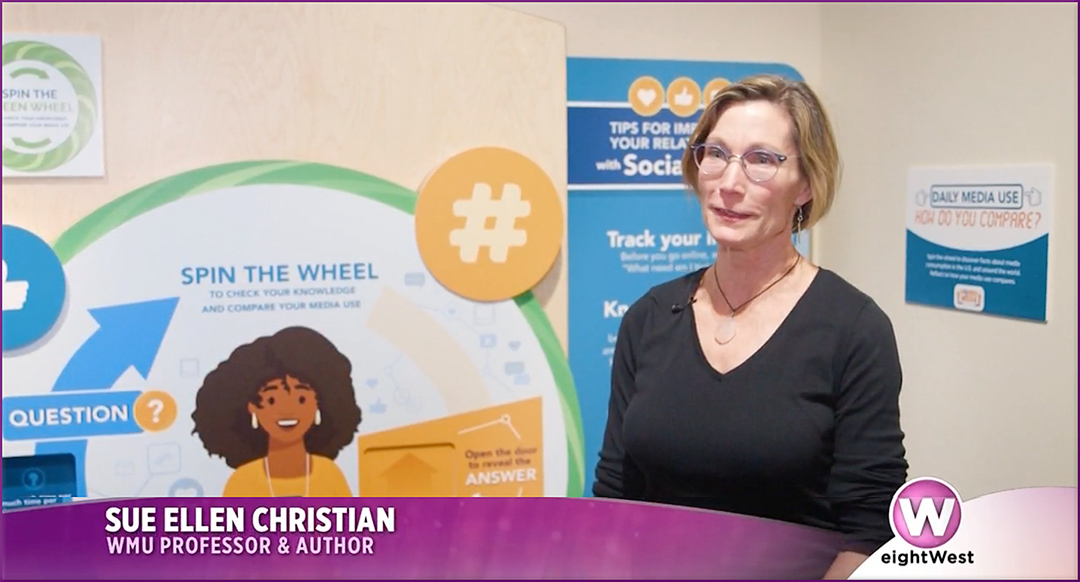
I’m very proud of our sister Sue Ellen — who worked hard to bring this idea/vision/exhibit to reality.

Sue Ellen Christian


Kalamazoo Valley Museum explores media & its messages — from woodtv.com by Jessica Jurczak

Excerpt:

GRAND RAPIDS, Mich. (WOOD) – We are constantly on the lookout for fun ideas that also involve learning and one of our go-to spots is the Kalamazoo Valley Museum! There’s a big exhibition there now called “Wonder Media: Ask the Questions!” As we all know, we’re bombarded everyday with messages from all types of media: TV, movies, social media and this exhibit encourages us to stop and evaluate some of those messages. The Kalamazoo Valley Museum also has a planetarium, and vast science and history galleries and today, we’re taking you inside!


A New Initiative to Tackle Education’s Big Problems — from the74millioin.org by Andrew J. Rotherham
Rotherham: For all the rhetoric around ‘reimagining’ and ‘reinventing’ schooling, there’s precious little to show for it. There’s another way

Excerpt:

Instead, experts operate in silos to find solutions, reform and pandemic fatigue abound, and dysfunctional reactionary politics define various debates.

Beta by Bellwether, [which launched on 8/31/22], is a new initiative bringing viewpoint- and background-diverse experts together to tackle big problems and develop blueprints, strategies and tools that can help communities address structural educational problems. We’re building on our 12 years of work at Bellwether bridging policy and practice with a perspective that should be mundane but in this climate seems radical: the belief that the best ideas often lie between different perspectives and are strengthened through serious debate. No faction owns solutions, good ideas or virtue.

Bellwether Beta -- A New Initiative to Tackle Education’s Big Problems

Bellwether.org 

From DSC:
This is something to keep on your K-12 learning ecosystems radar.

Bellwether dot org -- something to keep on your K-12 learning ecosystems radar


Also see:

National Microschooling Center launches, proving ‘modern one-room schoolhouse’ is no flash-in-the-pandemic phenomenon — from reimaginedonline.org by Tom Jackson

Excerpt:

Writing for the Manhattan Institute, researcher Michael McShane lays out the framework and the appeal of microschools:

Neither homeschooling nor traditional schooling, [microschools] exist in a hard-to-classify space between formal and informal learning environments. They rose in popularity during the pandemic as families sought alternative educational options that could meet social-distancing recommendations.

But what they offer in terms of personalization, community building, schedules, calendars, and the delivery of instruction will have appeal long after Covid recedes.

Long-time education choice advocate Don Soifer concurs.

“For whatever reason, families are just rethinking the public education system,” he says. “The research is telling us now that microschooling serves 2-1/2 to 3-1/2 million learners as their primary form of education.”


Also see:


Learning Pods Are Here, Are You In? — from schoolchoiceweek.com by National School Choice Week Team

Excerpt:

If you’ve stumbled into an education conversation or joined a parent discussion group recently, you’ve surely heard of pods or micro-schools. As families grapple with a changing education environment, some hope to find the flexibility, safety, and community they desire in small, local learning arrangements called learning pods. Whether you have your heart set on joining a pod or just want to better understand education choices for your child, we’ve broken down all types of pandemic pods here.


From DSC:
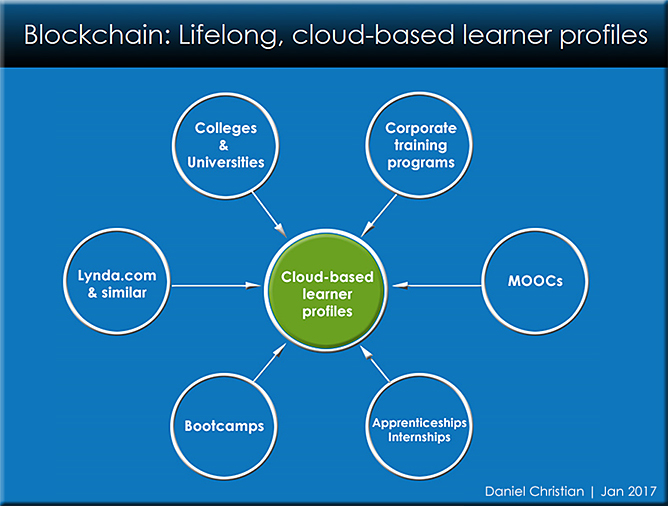
An AI-backed platform will constantly search all job postings and present the most desired skills in the marketplace and then how to get those skills. The providers will be individuals, organizations, training providers, traditional institutions of higher education, vendors and more.

Depending upon what happens with blockchain — and if a much more energy-efficient/environmentally-friendly solution can be implemented — blockchain may be a part of that equation.


New Pathways: Experiencing Success In What’s Next — from Getting Smart

Excerpt:

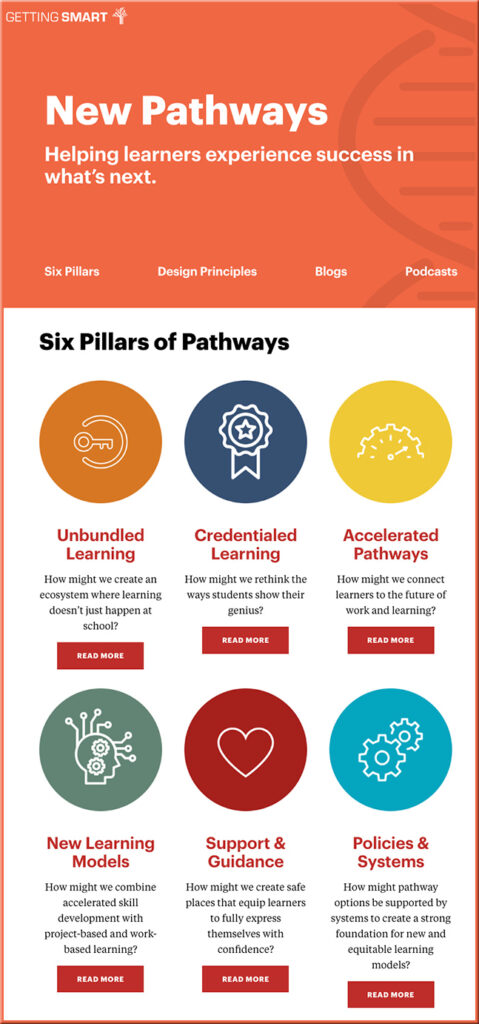
Some of you were able to attend our official kick-off event yesterday (on 6/21/22), but for those who weren’t able to make it we wanted to let you know that our new campaign, New Pathways, has officially begun!. Over the next few years, and in partnership with ASA, the Bill & Melinda Gates Foundation, Stand Together and the Walton Foundation, we will be dedicated to tracking innovations in the following six pillars:

  1. Unbundled Learning
  2. Credentialed Learning
  3. Accelerated Pathways
  4. New Learning Models
  5. Support & Guidance
  6. Policies & Systems
We believe that when combined, these pillars enable learners to find success in what’s next in their professional lives, their personal lives and in their communities.


Reflections on “Do We Really Want Academic Permanent Records to Live Forever on Blockchain?” [Bohnke]

From DSC:
Christin Bohnke raises a great and timely question out at edsurge.com in her article entitled:
Do We Really Want Academic Permanent Records to Live Forever on Blockchain?

Christin does a wonderful job of addressing the possibilities — but also the challenges — of using blockchain for educational/learning-related applications. She makes a great point that the time to look at this carefully is now:

Yet as much as unchangeable education records offer new chances, they also create new challenges. Setting personal and academic information in stone may actually counter the mission of education to help people evolve over time. The time to assess the benefits and drawbacks of blockchain technology is right now, before adoption in schools and universities is widespread.

As Christin mentions, blockchain technology can be used to store more than formal certification data. It could also store such informal certification data such as “research experience, individual projects and skills, mentoring or online learning.”

The keeping of extensive records via blockchain certainly raises numerous questions. Below are a few that come to my mind:

  • Will this type of record-keeping help or hurt in terms of career development and moving to a different job?
  • Will — or should — CMS/LMS vendors enable this type of feature/service in their products?
  • Should credentials from the following sources be considered relevant?
    • Microlearning-based streams of content
    • Data from open courseware/courses
    • Learning that we do via our Personal Learning Networks (PLNs) and social networks
    • Learning that we get from alternatives such as bootcamps, coding schools, etc.
  • Will the keeping of records impact the enjoyment of learning — or vice versa? Or will it depend upon the person?
  • Will there be more choice, more control — or less so?
  • To what (granular) level of competency-based education should we go? Or from project-based learning?
  • Could instructional designers access learners’ profiles to provide more personalized learning experiences?
  • …and I’m certain there are more questions than these.

All that said…

To me, the answers to these questions — and likely other questions as well — lie in:

  1. Giving a person a chance to learn, practice, and then demonstrate the required skills (regardless of the data the potential employer has access to)
    .
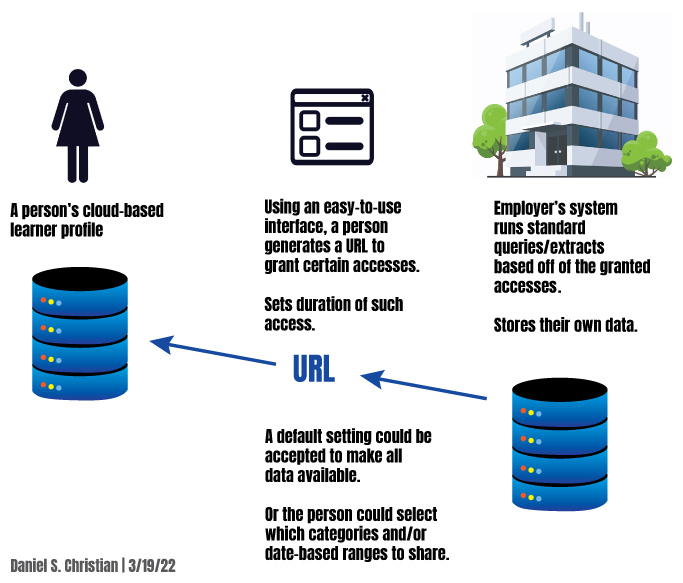
  2. Giving each user the right to own their own data — and to release it as they see fit. Each person should have the capability of managing their own information/data without having to have the skills of a software engineer or a database administrator. When something is written to a blockchain, there would be a field for who owns — and can administer — the data.

In the case of finding a good fit/job, a person could use a standardized interface to generate a URL that is sent out to a potential employer. That URL would be good for X days. The URL gives the potential employer the right to access whatever data has been made available to them. It could be full access, in which case the employer is able to run their own queries/searches on the data. Or the learner could restrict the potential employer’s reach to a more limited subset of data.

Visually, speaking:


Each learner can say who can access what data from their learner's profile


I still have a lot more thinking to do about this, but that’s where I’m at as of today. Have a good one all!


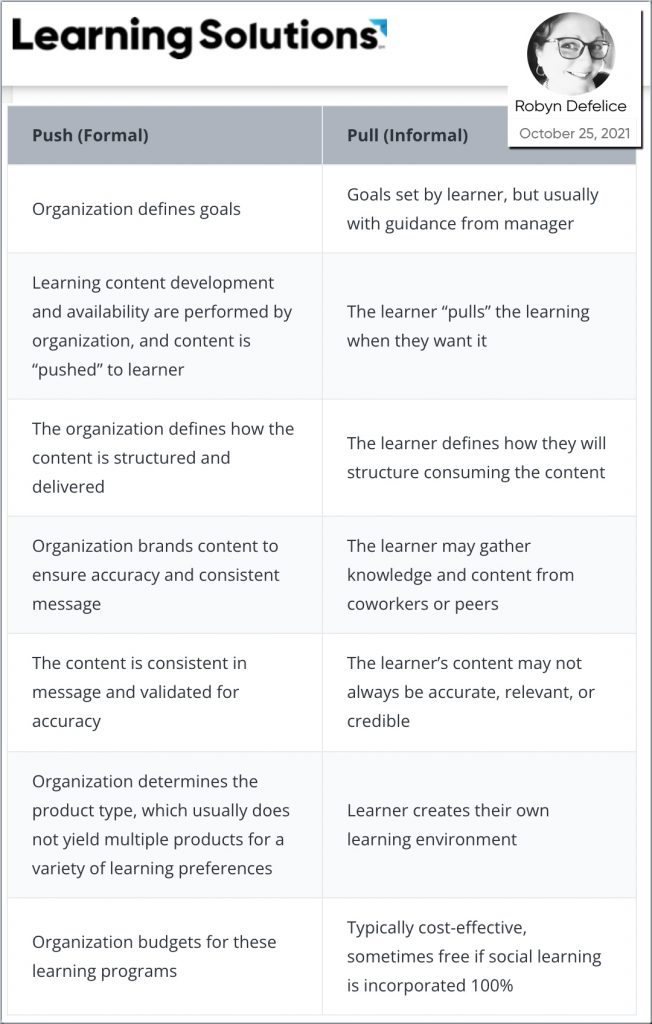
The Push-Pull of Leading Motivation Using Microlearning — from learningsolutionsmag.com by Robyn Defelice

Excerpt:

So, let’s pick up from there: You’re a learning leader in an organization that has aligned all these elements and is ready to see microlearning put to good use. So, what’s the obstacle in your path?

Maybe you’re stuck on using microlearning as a motivational tool for performance growth but are not sure if a formal or informal approach will have more appeal. Should you push or pull, as they ask. Let’s get you out of this tug-of-war and address how your L&D team can lead the way in motivating the learning audience for new performance gains by implementing a microlearning campaign (or two or three)!

Push (formal) vs pull (informal)


Why everybody’s hiring but nobody’s getting hired — from vox.com by Rani Molla and Emily Stewart; with thanks to Ryan Craig for this resource
America’s broken hiring system, explained.

Tim Brackney, president and COO of management consulting firm RGP, refers to the current situation as the “great mismatch.” That mismatch refers to a number of things, including desires, experience, and skills. And part of the reason is that the skills necessary for a given job are changing faster than ever, as companies more frequently adopt new software.

“Twenty years ago, if I had 10 years experience as a warehouse manager, the likelihood that my skills would be pretty relevant and it wouldn’t take me that long to get up to speed was pretty good,” Joseph Fuller, a management professor at Harvard Business School and co-author of a recent paper on the disconnect between employers and employees, said. “The shelf life of people’s skills for a lot of decent-paying jobs has been shortening.”

From DSC:
I also think those hiring don’t think people can reinvent themselves. Folks who hire someone (and/or the applicant tracking systems as play) always seem to look for an exact match. There is little vision and/or belief that someone can grow into a position, or to lead differently, or to go in a different but better direction. They reach for their cookie cutters and shove their imaginations and ability to think bigger aside.

Employers could help people by investing in their employees’ growth and development — even if it means they actively help an employee take a right turn. Such an employee could hopefully find a new fit within that organization — if they do, they would likely turn out to be fiercely loyal.

Even if it means offering an employee 1-2 courses a year that they want to learn about — NO STRINGS ATTACHED — the learning culture would get a huge boost!!! Peoples’ love/enjoyment of learning would grow. Morale would improve. People would feel valued.

Let me offer a personal example:

  • My old boss, Mr. Irving Charles Coleman Jr, let me take a Photoshop class while I was working in the IT Department at Kraft Foods’ headquarters. Kraft paid for it, even though it wasn’t directly related to my position at the time. That course ended up changing my life and my future direction. No kidding. Thank you Irv! You’re the best!
 

From DSC:
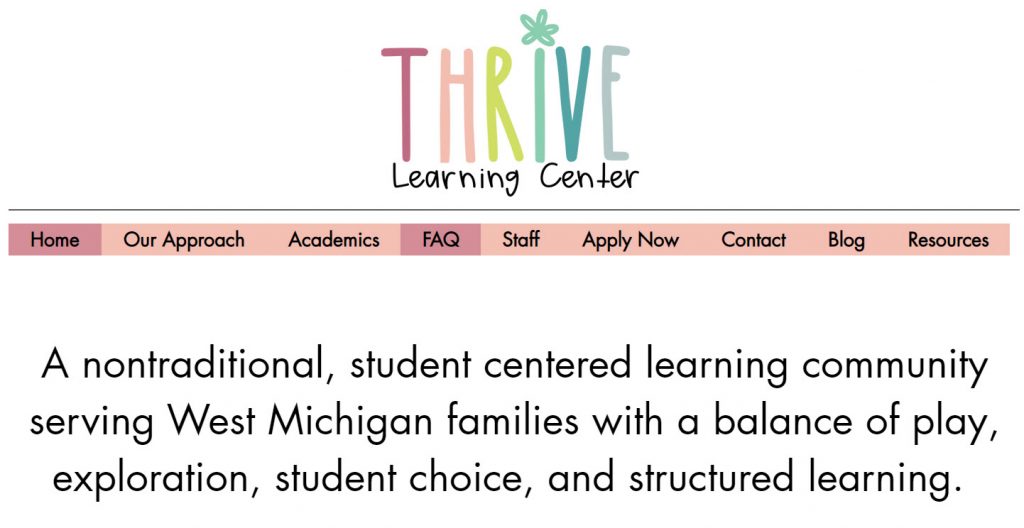
My wife recently told me about The Thrive Learning Center. Though we don’t have any of our kids there, it looks very interesting to me! They offer play, choice, agency, a learning community, a chance to pursue one’s interests, and more! I wish we had seen this several years ago. But maybe it will help someone else out there reenvision what learning could look and be like.


The Thrive Learning Center -- offering a student-centered learning community-- full of choice and agency.


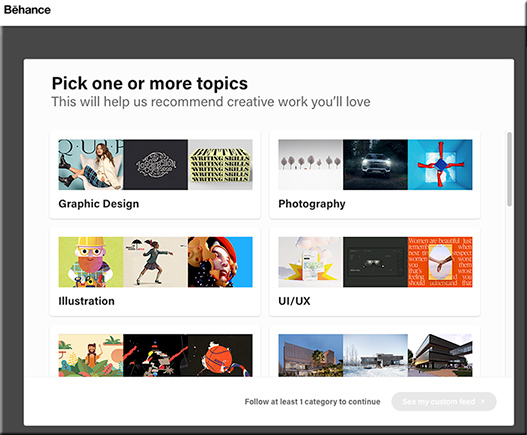
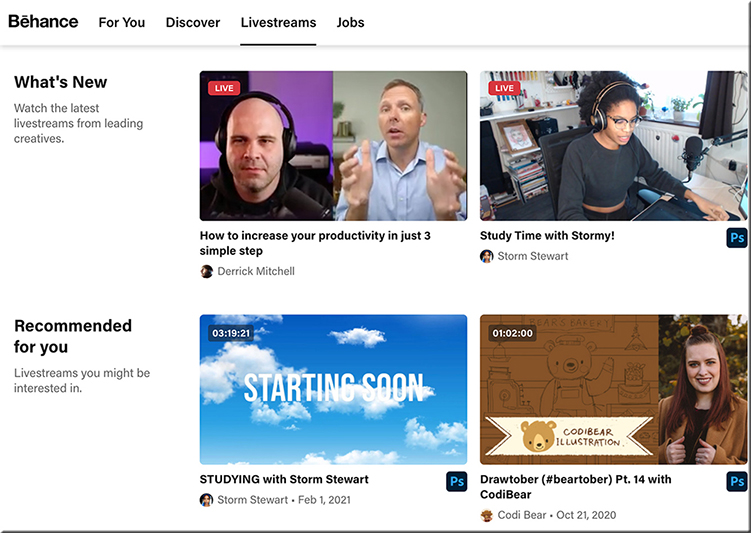
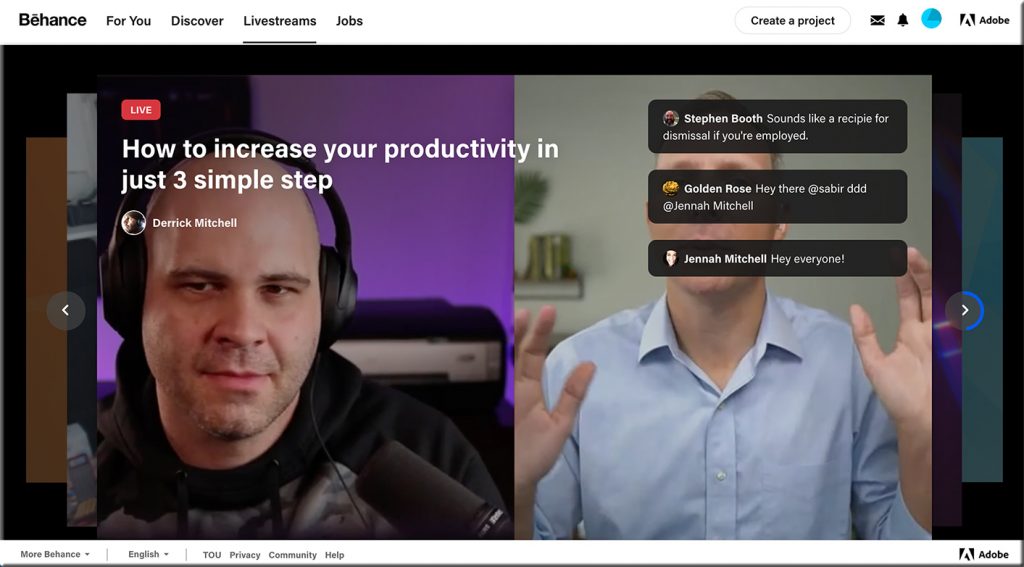
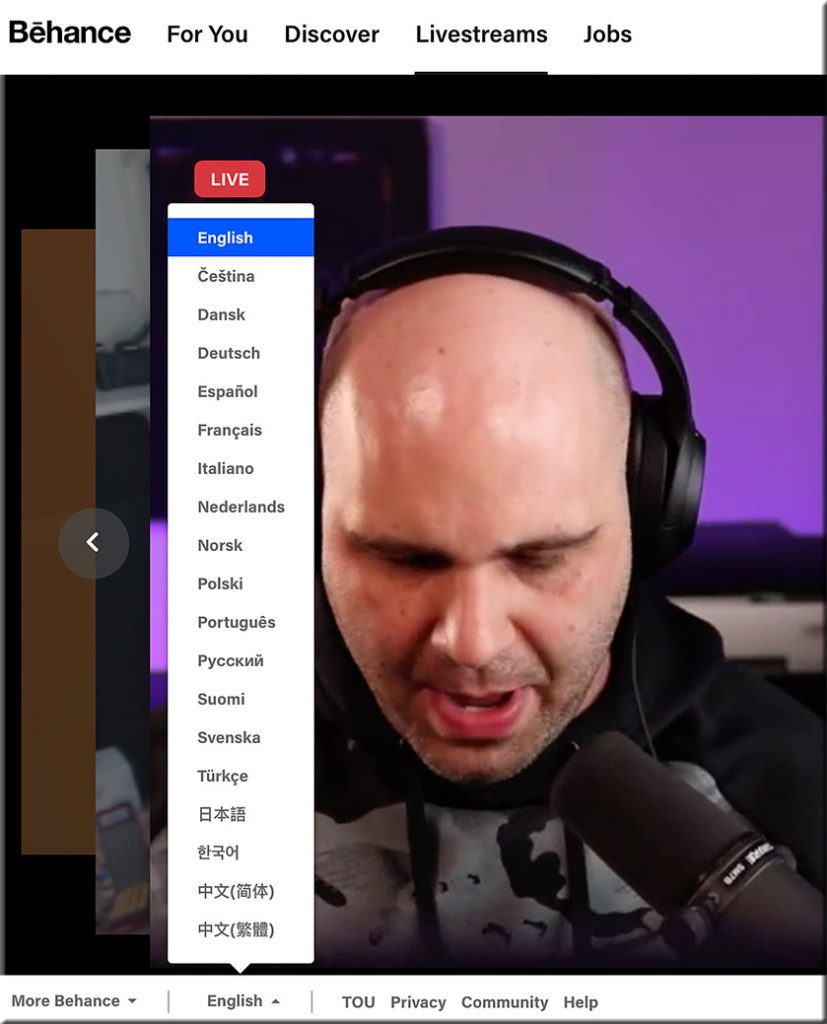
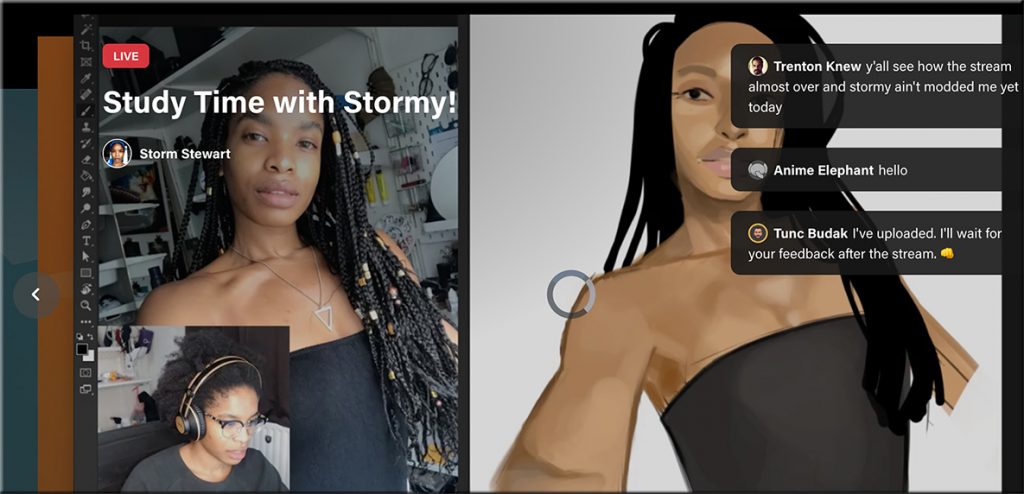
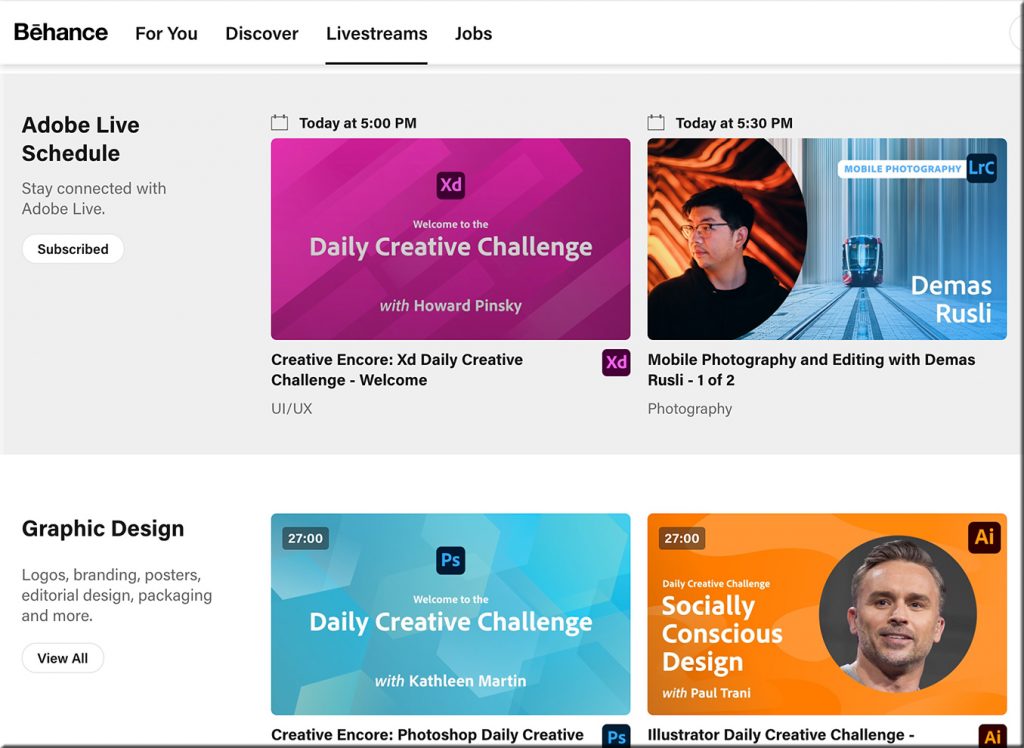
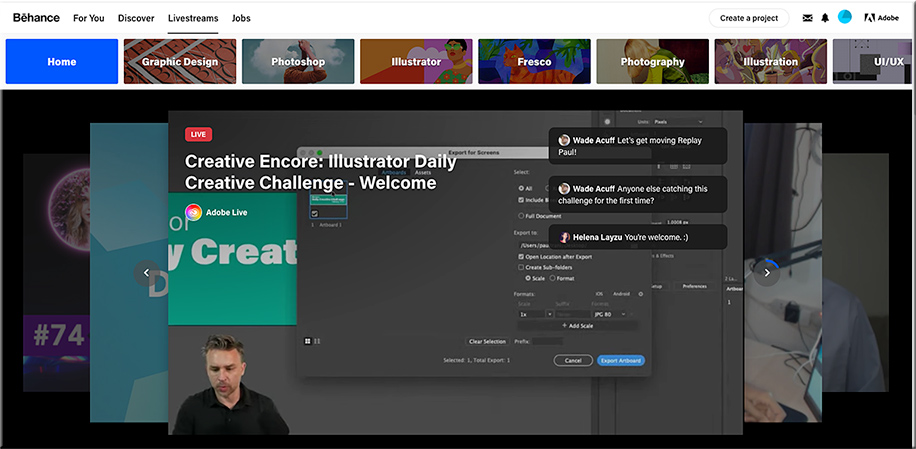
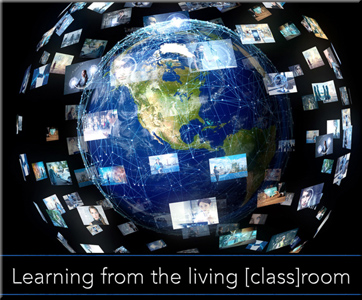
Learning from the Living [Class] Room: Adobe — via Behance — is already doing several pieces of this vision.

From DSC:
Talk about streams of content! Whew!

Streams of content

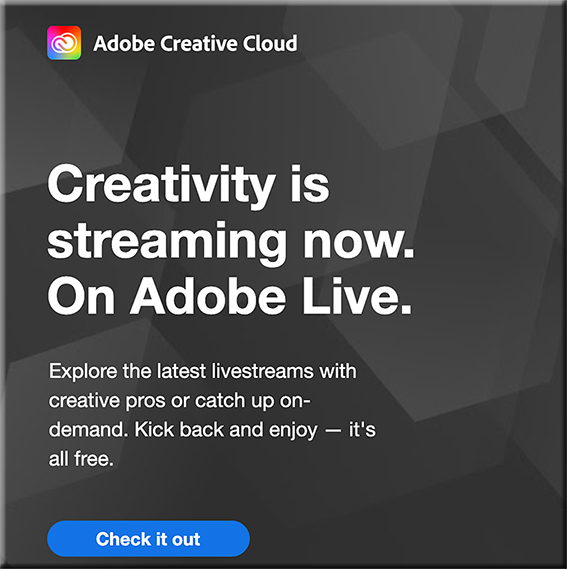
I received an email from Adobe that was entitled, “This week on Adobe Live: Graphic Design.”  (I subscribe to their Adobe Creative Cloud.) Inside the email, I saw and clicked on the following:

Below are some of the screenshots I took of this incredible service! Wow!


Adobe -- via Behance -- offers some serious streams of content


Adobe -- via Behance -- offers some serious streams of content


Adobe -- via Behance -- offers some serious streams of content


Adobe -- via Behance -- offers some serious streams of content


Adobe -- via Behance -- offers some serious streams of content

Adobe -- via Behance -- offers some serious streams of content

Adobe -- via Behance -- offers some serious streams of content


From DSC:
So Abobe — via Behance — is already doing several pieces of the “Learning from the Living [Class] Room” vision. I knew of Behance…but I didn’t realize the magnitude of what they’ve been working on and what they’re currently delivering. Very sharp indeed!

Churches are doing this as well — one device has the presenter/preacher on it (such as a larger “TV”), while a second device is used to communicate with each other in real-time.


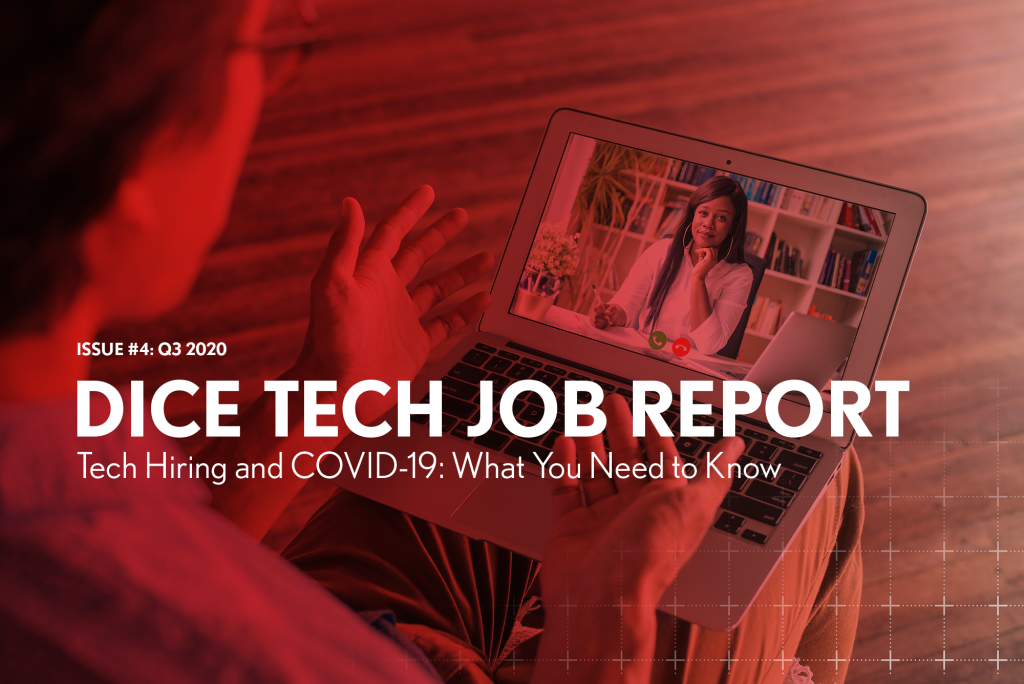
The Dice Q3 Tech Job Report Tech Hiring and COVID-19: What You Need to Know

The Dice Q3 Tech Job Report: Tech Hiring and COVID-19: What You Need to Know — from techhub.dice.com
The report, issued quarterly by Dice, provides exclusive statistics and analysis on the tech hiring landscape, including top cities and states, top employers and the most sought-after skills and occupations.

From DSC:
One can quickly see how valuable this information would be as a data feed into an AI-based, next-generation learning platform.

The platform would connect the marketable skills with the courses, websites, blogs, RSS feeds/streams of content, etc. that would help a learner quickly and affordably build such in-demand skills. Given the shortening half-lives of many kinds of information, such a service is needed desperately…especially now with the impact of the Coronavirus.

Also relevant: See how ISTE built its upcoming virtual event!

 
© 2025 | Daniel Christian