Focus on School-to-Home Resources for the Holidays

Focus on School-to-Home Resources for the Holidays — from classtechtips.com by Monica Burns

As the holiday season approaches, families might reach out to educators looking for resources to support learning over school break. By leveraging high-quality, vetted resources, you can ensure that the school-to-home connection stays strong, even during winter break. Today on the blog, I’m excited to share some resources for the holidays from the team at Ask, Listen, Learn.


Also see:

Tech-Savvy Approaches for a Differentiated Classroom with Dr. Clare Kilbane and Dr. Natalie Milman – Easy EdTech Podcast 296

Tech-Savvy Approaches for a Differentiated Classroom with Dr. Clare Kilbane and Dr. Natalie Milman – Easy EdTech Podcast 296

In this episode, educational leaders and fellow ASCD authors Dr. Clare Kilbane and Dr. Natalie Milman share expert strategies for using EdTech to personalize learning. Explore insights from their book, Using Technology in a Differentiated Classroom, and discover practical tips to thoughtfully integrate digital tools and support diverse learners. If you’re ready to elevate all students’ learning journeys, this episode is a must-listen!


Also see:

Lesson planning resource -- short, engaging videos for students

Lesson planning resource — short, engaging videos for students
This post is sponsored by ClickView. All opinions are my own.

Where do you go to find engaging, high-quality content for your lesson plans? Searching for short videos for students might feel like a time consuming task. As a classroom teacher there were plenty of times when I knew watching a video clip would help students better understand a concept, but I couldn’t always find the right videos to share with them. ClickView is a platform with video resources curated just for K-12 educators.

Today on the blog we’ll take a look at ClickView, a video platform for K-12 schools designed to make lesson planning easier. Whether you’re introducing a new topic or diving deeper into a complex unit, ClickView’s range of videos and innovative features can transform the way you teach.


VLOG: Learning in Medical School — from learningscientists.org by The Learning Scientists

NOTE:
  • This vlog is for anyone in medical school, interested in medical school, or just curious about what learning is like in medical school!

In this vlog Althea and Cindy talk about their work with medical student learners. They discuss common learning challenges in medical school, efficient learning strategies, learning in the context of attentional disorders and anxiety, and what it means to prepare future healers.


US College Closures Are Expected to Soar, Fed Research Says — from bloomberg.com

  • Fed research created predictive model of college stress
  • Worst-case scenario forecasts 80 additional closures

The number of colleges that close each year is poised to significantly increase as schools contend with a slowdown in prospective students.

That’s the finding of a new working paper published by the Federal Reserve Bank of Philadelphia, where researchers created predictive models of schools’ financial distress using metrics like enrollment and staffing patterns, sources of revenue and liquidity data. They overlayed those models with simulations to estimate the likely increase of future closures.

Excerpt from the working paper:

We document a high degree of missing data among colleges that eventually close and show that this is a key impediment to identifying at risk institutions. We then show that modern machine learning techniques, combined with richer data, are far more effective at predicting college closures than linear probability models, and considerably more effective than existing accountability metrics. Our preferred model, which combines an off-the-shelf machine learning algorithm with the richest set of explanatory variables, can significantly improve predictive accuracy even for institutions with complete data, but is particularly helpful for predicting instances of financial distress for institutions with spotty data.


From DSC:
Questions that come to my mind here include:

  • Shouldn’t the public — especially those relevant parents and students — be made more aware of these types of papers and reports?
    .
  • How would any of us like finishing up 1-3 years of school and then being told that our colleges or universities were closing, effective immediately? (This has happened many times already.) and with the demographic cliff starting to hit higher education, this will happen even more now.
    .
    Adding insult to injury…when we transfer to different institutions, we’re told that many of our prior credits don’t transfer — thus adding a significant amount to the overall cost of obtaining our degrees.
    .
  • Would we not be absolutely furious to discover such communications from our prior — and new — colleges and universities?
    .
  • Will all of these types of closures move more people to this vision here?

Relevant excerpts from Ray Schroeder’s recent articles out at insidehighered.com:

Winds of Change in Higher Ed to Become a Hurricane in 2025

A number of factors are converging to create a huge storm. Generative AI advances, massive federal policy shifts, broad societal and economic changes, and the demographic cliff combine to create uncertainty today and change tomorrow.

Higher Education in 2025: AGI Agents to Displace People

The anticipated enrollment cliff, reductions in federal and state funding, increased inflation, and dwindling public support for tuition increases will combine to put even greater pressure on university budgets.


On the positive side of things, the completion rates have been getting better:

National college completion rate ticks up to 61.1% — from highereddive.com by Natalie Schwartz
Those who started at two-year public colleges helped drive the overall increase in students completing a credential.

Dive Brief:

  • Completion rates ticked up to 61.1% for students who entered college in fall 2018, a 0.5 percentage-point increase compared to the previous cohort, according to data released Wednesday by the National Student Clearinghouse Research Center.
  • The increase marks the highest six-year completion rate since 2007 when the clearinghouse began tracking the data. The growth was driven by fewer students stopping out of college, as well as completion gains among students who started at public two-year colleges.
  • “Higher completion rates are welcome news for colleges and universities still struggling to regain enrollment levels from before the pandemic,” Doug Shapiro, the research center’s executive director, said in a statement dated Wednesday.

Addendum:

Attention Please: Professors Struggle With Student Disengagement — from edsurge.com

The stakes are huge, because the concern is that maybe the social contract between students and professors is kind of breaking down. Do students believe that all this college lecturing is worth hearing? Or, will this moment force a change in the way college teaching is done?


Closing the digital use divide with active and engaging learning — from eschoolnews.com by Laura Ascione
Students offered insight into how to use active learning, with digital tools, to boost their engagement

When it comes to classroom edtech use, digital tools have a drastically different impact when they are used actively instead of passively–a critical difference examined in the 2023-2024 Speak Up Research by Project Tomorrow.

Students also outlined their ideal active learning technologies:

  • Collaboration tools to support projects
  • Student-teacher communication tools
  • Online databases for self-directed research
  • Multi-media tools for creating new content
  • Online and digital games
  • AI tools to support personalized learning
  • Coding and computer programming resources
  • Online animations, simulations, and virtual labs
  • Virtual reality equipment and content
 

What Happens When ‘Play’ Is Left Out of the School Curriculum — from edsurge.com by Fatema Elbakoury
When two birds flew into my classroom, I realized how much teachers lose when we don’t trust students to play.

Due to the rigidity of curriculum, standardized tests and the controlling nature of compulsory education, playfulness and unstructured time are seen as detrimental to a student’s learning. But what is learning and why is play seen as so antithetical to teaching? What if we centered playfulness and unstructured time in our classrooms, even when it has nothing to do with the curriculum? Part of learning is acquiring knowledge through experience. If play is an experience it, too, can result in the acquisition of knowledge.


Campus webinar: The art of bringing creativity and fun into the classroom — from Times Higher Education

In our latest webinar, we spoke to three experts from Campus+ partner across the UK to discuss creative and fun ways to get students engaged, both online and in the classroom.

Gary Burnett from Loughborough University, Simon Brownhill from the University of Bristol and Kelly Edmunds from the University of East Anglia talked to us about:

  • Creative and fun ways to get students engaged, in-person and online
  • Tapping into students’ creativity for better learning outcomes
  • Creating a culture of creativity and experimentation
  • Breaking down disciplinary boundaries for learning and collaboration
  • Creative ways to bring AI into classroom activities and assignments
  • Play as a powerful teaching tool


AI Tutors: Hype or Hope for Education? — from educationnext.org by John Bailey and John Warner
In a new book, Sal Khan touts the potential of artificial intelligence to address lagging student achievement. Our authors weigh in.

In Salman Khan’s new book, Brave New Words: How AI Will Revolutionize Education (and Why That’s a Good Thing) (Viking, 2024), the Khan Academy founder predicts that AI will transform education by providing every student with a virtual personalized tutor at an affordable cost. Is Khan right? Is radically improved achievement for all students within reach at last? If so, what sorts of changes should we expect to see, and when? If not, what will hold back the AI revolution that Khan foresees? John Bailey, a visiting fellow at the American Enterprise Institute, endorses Khan’s vision and explains the profound impact that AI technology is already making in education. John Warner, a columnist for the Chicago Tribune and former editor for McSweeney’s Internet Tendency, makes the case that all the hype about AI tutoring is, as Macbeth quips, full of sound and fury, signifying nothing.


Adapting to the future | Educause

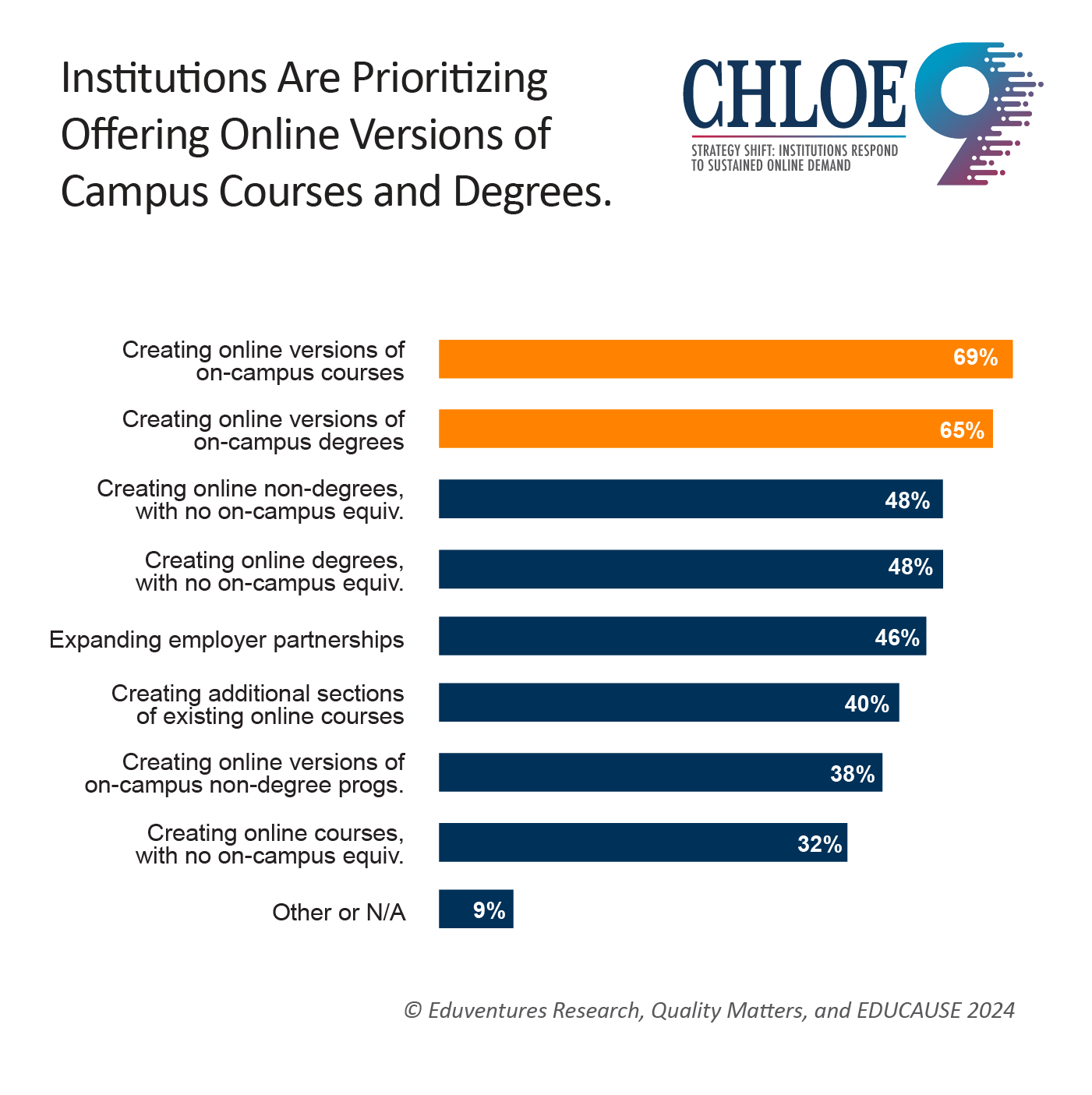
Institutions are balancing capacity issues and rapid technological advancements—including artificial intelligence—while addressing a loss of trust in higher education.

To adapt to the future, technology and data leaders must work strategically to restore trust, prepare for policy updates, and plan for online education growth.


Below is an excerpt from 2024: The State of Generative AI in the Enterprise — from Menlo Ventures

  • Legal: Historically resistant to tech, the legal industry ($350 million in enterprise AI spend) is now embracing generative AI to manage massive amounts of unstructured data and automate complex, pattern-based workflows. The field broadly divides into litigation and transactional law, with numerous subspecialties. Rooted in litigation, Everlaw* focuses on legal holds, e-discovery, and trial preparation, while Harvey and Spellbook are advancing AI in transactional law with solutions for contract review, legal research, and M&A. Specific practice areas are also targeted AI innovations: EvenUp focuses on injury law, Garden on patents and intellectual property, Manifest on immigration and employment law, while Eve* is re-inventing plaintiff casework from client intake to resolution.

Excerpt from Brainyacts #250 (from 11/22/24) — from the Leveraging Generative AI in Client Interviews section

Here’s what the article from Forbes said:

  • CodeSignal, an AI tech company, has launched Conversation Practice, an AI-driven platform to help learners practice critical workplace communication and soft skills.
  • Conversation Practice uses multiple AI models and a natural spoken interface to simulate real-world scenarios and provide feedback.
  • The goal is to address the challenge of developing conversational skills through iterative practice, without the awkwardness of peer role-play.

What I learned about this software changed my perception about how I can prepare in the future for client meetings. Here’s what I’ve taken away from the potential use of this software in a legal practice setting:


Why Technology-Driven Law Firms Are Poised For Long-Term Success — from forbes.com by Daniel Farrar

I see the shift to cloud-based digital systems, especially for small and midsized law firms, as evening the playing field by providing access to robust tools that can aid legal services. Here are some examples of how legal professionals are leveraging tech every day:

    • Cloud-based case management solutions. These help enhance productivity through collaboration tools and automated workflows while keeping data secure.
    • E-discovery tools. These tools manage vast amounts of data and help speed up litigation processes.
    • Artificial intelligence. AI has helped automate tasks for legal professionals including for case management, research, contract review and predictive analytics.
 

For a true meritocracy, education must not be one-size-fits-all — from edsource.org by Eric Chung

What we can do is stop deciding who is educated, intelligent and successful based on only one type of student. Instead, we should recognize the value of all students, and offer more mainstream career and technical opportunities across K-12 education.

From DSC:
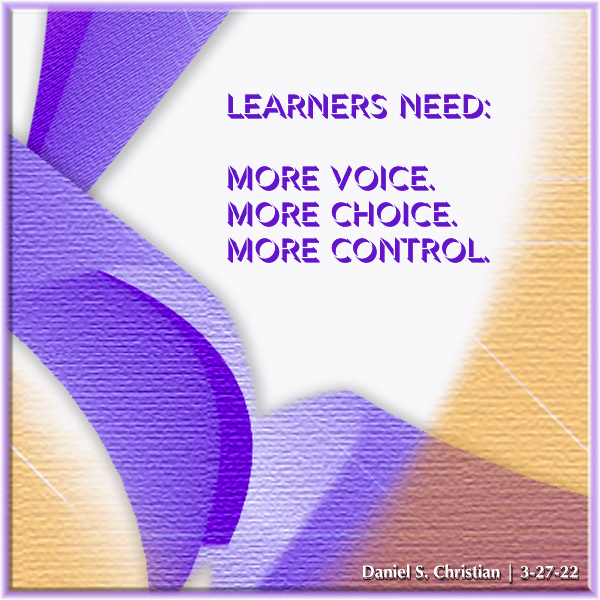
Note the power of CHOICE in this next excerpt:

There is another possibility. Consider Finland, which in the 1970s switched from the German model to one that teaches a combination of academic and technical subjects until age 16, when students choose a track. The vocational path for students interested in highly -skilled trades includes carpentry and culinary arts, but it also offers applied sciences, health care, and social services, which in the United States would require attending traditional academic universities.

.
Learners need: More voice. More choice. More control. -- this image was created by Daniel Christian


Skill-Based Training: Embrace the Benefits; Stay Wary of the Hype — from learningguild.com by Paige Yousey

1. Direct job relevance
One of the biggest draws of skill-based training is its direct relevance to employees’ daily roles. By focusing on teaching job-specific skills, this approach helps workers feel immediately empowered to apply what they learn, leading to a quick payoff for both the individual and the organization. Yet, while this tight focus is a major benefit, it’s important to consider some potential drawbacks that could arise from an overly narrow approach.

Be wary of:

  • Overly Narrow Focus: Highly specialized training might leave employees with little room to apply their skills to broader challenges, limiting versatility and growth potential.
  • Risk of Obsolescence: Skills can quickly become outdated, especially in fast-evolving industries. L&D leaders should aim for regular updates to maintain relevance.
  • Neglect of Soft Skills: While technical skills are crucial, ignoring soft skills like communication and problem-solving may lead to a lack of balanced competency.

2. Enhanced job performance…
3. Addresses skill gaps…

…and several more areas to consider


Another item from Paige Yousey

5 Key EdTech Innovations to Watch — from learningguild.com by Paige Yousey

AI-driven course design

Strengths

  • Content creation and updates: AI streamlines the creation of training materials by identifying resource gaps and generating tailored content, while also refreshing existing materials based on industry trends and employee feedback to maintain relevance.
  • Data-driven insights: Use AI tools to provide valuable analytics to inform course development and instructional strategies, helping learner designers identify effective practices and improve overall learning outcomes.
  • Efficiency: Automating repetitive tasks, such as learner assessments and administrative duties, enables L&D professionals to concentrate on developing impactful training programs and fostering learner engagement.

Concerns

  • Limited understanding of context: AI may struggle to understand the specific educational context or the unique needs of diverse learner populations, potentially hindering effectiveness.
  • Oversimplification of learning: AI may reduce complex educational concepts to simple metrics or algorithms, oversimplifying the learning process and neglecting deeper cognitive development.
  • Resistance to change: Learning leaders may face resistance from staff who are skeptical about integrating AI into their training practices.

Also from the Learning Guild, see:

Use Twine to Easily Create Engaging, Immersive Scenario-Based Learning — from learningguild.com by Bill Brandon

Scenario-based learning immerses learners in realistic scenarios that mimic real-world challenges they might face in their roles. These learning experiences are highly relevant and relatable. SBL is active learning. Instead of passively consuming information, learners actively engage with the content by making decisions and solving problems within the scenario. This approach enhances critical thinking and decision-making skills.

SBL can be more effective when storytelling techniques create a narrative that guides learners through the scenario to maintain engagement and make the learning memorable. Learners receive immediate feedback on their decisions and learn from their mistakes. Reflection can deepen their understanding. Branching scenarios add simulated complex decision-making processes and show the outcome of various actions through interactive scenarios where learner choices lead to different outcomes.

Embrace the Future: Why L&D Leaders Should Prioritize AI Digital Literacy — from learningguild.com by Dr. Erica McCaig

The role of L&D leaders in AI digital literacy
For L&D leaders, developing AI digital literacy within an organization requires a well-structured curriculum and development plan that equips employees with the knowledge, skills, and ethical grounding needed to thrive in an AI-augmented workplace. This curriculum should encompass a range of competencies that enhance technical understanding and foster a mindset ready for innovation and responsible use of AI. Key areas to focus on include:

  • Understanding AI Fundamentals: …
  • Proficiency with AI Tools: …
  • Ethical Considerations: …
  • Cultivating Critical Thinking: …
 

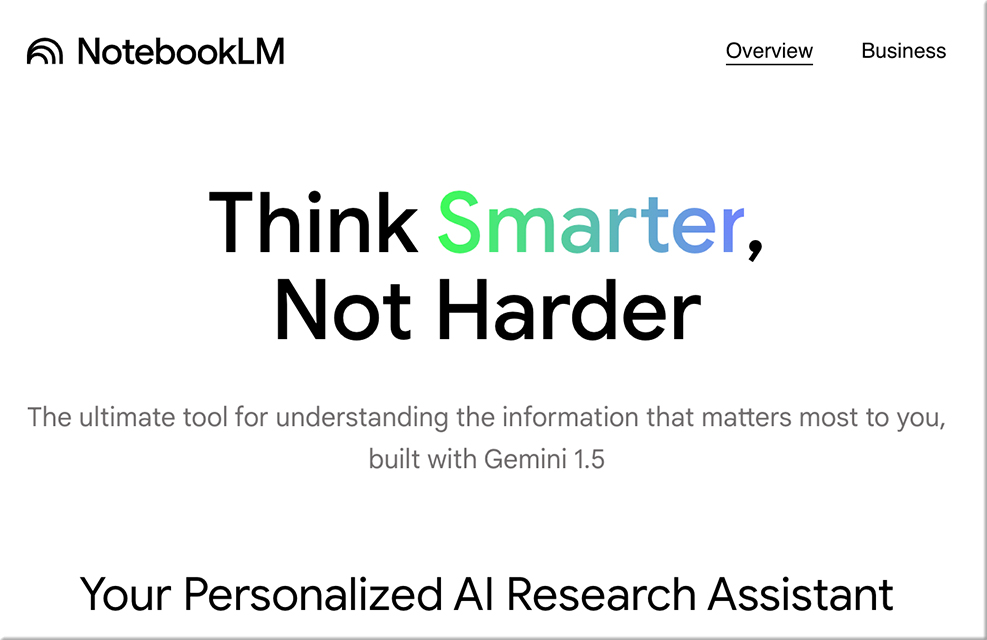
How to use NotebookLM for personalized knowledge synthesis — from ai-supremacy.com by Michael Spencer and Alex McFarland
Two powerful workflows that unlock everything else. Intro: Golden Age of AI Tools and AI agent frameworks begins in 2025.

What is Google Learn about?
Google’s new AI tool, Learn About, is designed as a conversational learning companion that adapts to individual learning needs and curiosity. It allows users to explore various topics by entering questions, uploading images or documents, or selecting from curated topics. The tool aims to provide personalized responses tailored to the user’s knowledge level, making it user-friendly and engaging for learners of all ages.

Is Generative AI leading to a new take on Educational technology? It certainly appears promising heading into 2025.

The Learn About tool utilizes the LearnLM AI model, which is grounded in educational research and focuses on how people learn. Google insists that unlike traditional chatbots, it emphasizes interactive and visual elements in its responses, enhancing the educational experience. For instance, when asked about complex topics like the size of the universe, Learn About not only provides factual information but also includes related content, vocabulary building tools, and contextual explanations to deepen understanding.


What Teacher Pay and Benefits Look Like, in Charts — from edweek.org by Sarah D. Sparks


Special education staffing shortages put students’ futures at risk. How to solve that is tricky. — from chalkbeat.org by Kalyn Belsha

The debate comes as the number of students with disabilities is growing. Some 7.5 million students required special education services as of the 2022-23 school year, the latest federal data shows, or around 15% of students. That was up from 7.1 million or 14% of students in the 2018-19 school year, just before the pandemic hit.

It’s unclear if the rise is due to schools getting better at identifying students with disabilities or if more children have needs now. Many young children missed early intervention and early special education services during the pandemic, and many educators say they are seeing higher behavioral needs and wider academic gaps in their classrooms.

“Students are arriving in our classrooms with a high level of dysregulation, which is displayed through their fight, flight, or freeze responses,” Tiffany Anderson, the superintendent of Topeka, Kansas’ public schools, wrote in her statement. “Students are also displaying more physically aggressive behavior.”


Expanding Access, Value and Experiences Through Credentialing — from gettingsmart.com by Nate McClennen, Tom Vander Ark and Mason Pashia
A Landscape Analysis of Credentialing and Its Impact on K-12

Executive Summary

This report examines the evolving landscape of credentialing and learner records within global education systems, highlighting a shift from traditional time-based signals—such as courses and grades—to competency-based signals (credentials and learner records).

Also recommended by Getting Smart, see:


Retrieval practice improves learning for neurodiverse students — from by Pooja K. Agarwal, Ph.D.

In my 15+ years of teaching, I have had students with autism spectrum disorder, ADHD, dyslexia, and a range of learning disabilities. I have grown in my understanding of inclusive teaching practices and I strive to incorporate universal design principles in my teaching.

From my classroom experience, I know that retrieval practice improves learning for all of my students, including those who are neurodiverse. But what have researchers found about retrieval practice with neurodiverse learners?

(Side note: If you’d like an intro on neurodiversity and what it means in the classroom, I recommend this podcast episode from The Learning Scientists and this podcast episode from Teaching in Higher Ed. For teaching tips, I recommend this article from the University of Illinois CITL.)


Instructure Is Ready To Lead The Next Evolution In Learning — from forbes.com by Ray Ravaglia

Learning Management In The AI Future
While LMS platforms like Canvas have positively impacted education, they’ve rarely lived up to their potential for personalized learning. With the advent of artificial intelligence (AI), this is set to change in revolutionary ways.

The promise of AI lies in its ability to automate repetitive tasks associated with student assessment and management, freeing educators to focus on education. More significantly, AI has the potential to go beyond the narrow focus on the end products of learning (like assignments) to capture insights into the learning process itself. This means analyzing the entire transcript of activities within the LMS, providing a dynamic, data-driven view of student progress rather than just seeing signposts of where students have been and what they have taken away.

Things become more potent by moving away from a particular student’s traversal of a specific course to looking at large aggregations of students traversing similar courses. This is why Instructure’s acquisition of Parchment, a company specializing in credential and transcript management, is so significant.


Sharpen your students’ interview skills — from timeshighereducation.com by Lewis Humphreys (though higher education-related, this is still solid information for those in K12)
The employees of the future will need to showcase their skills in job interviews. Make sure they’re prepared for each setting, writes Lewis Humphreys

In today’s ultra-competitive job market, strong interview skills are paramount for students taking their first steps into the professional world. University careers services play a crucial role in equipping our students with the tools and confidence needed to excel in a range of interview settings. From pre-recorded video interviews to live online sessions and traditional face-to-face meetings, students must be adaptable and well-prepared. Here, I’ll explore ways universities can teach interview skills to students and graduates, helping them to present themselves and their skills in the best light possible.


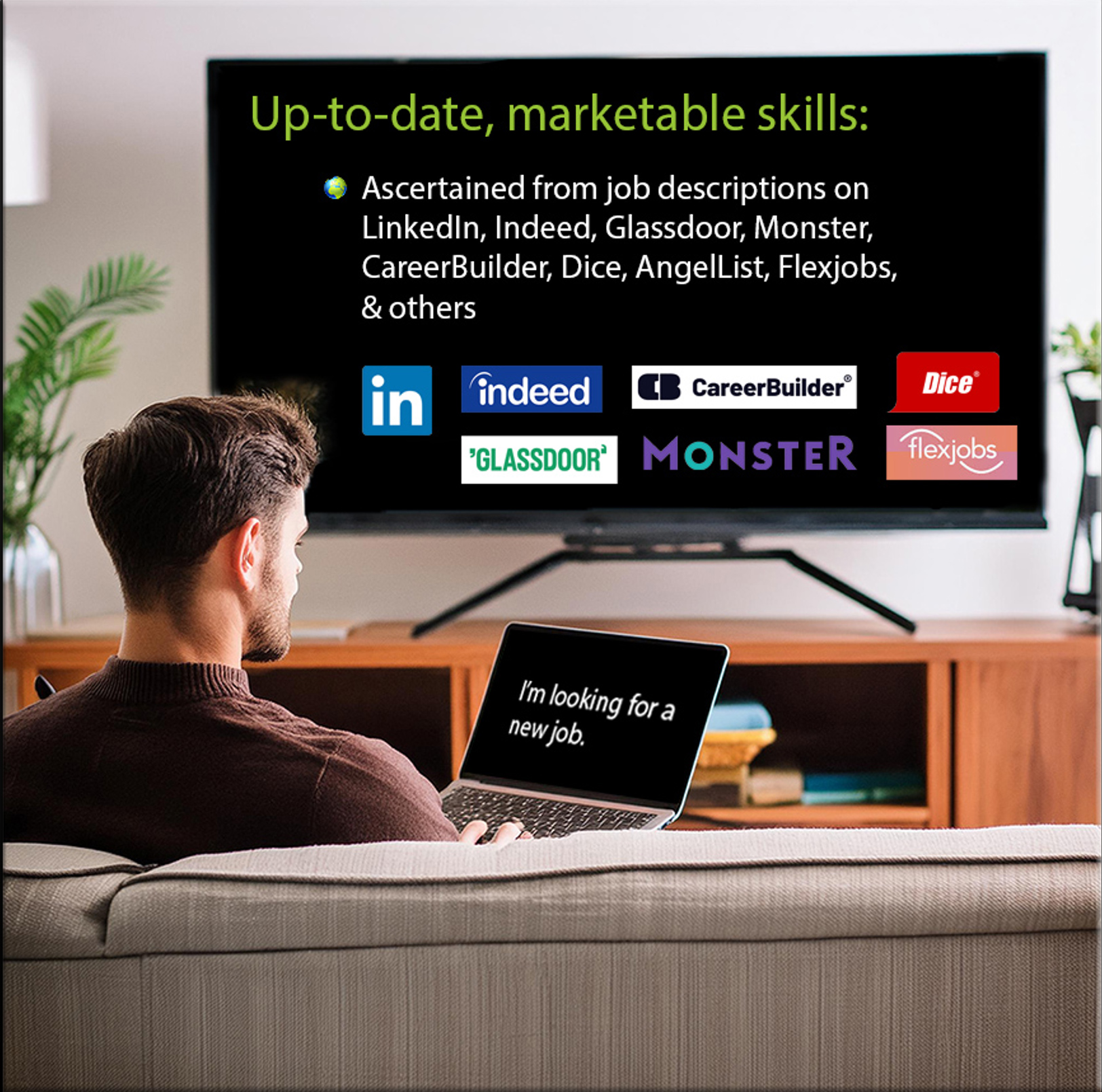
What DICE does in this posting will be available 24x7x365 in the future [Christian]

From DSC:
First of all, when you look at the following posting:


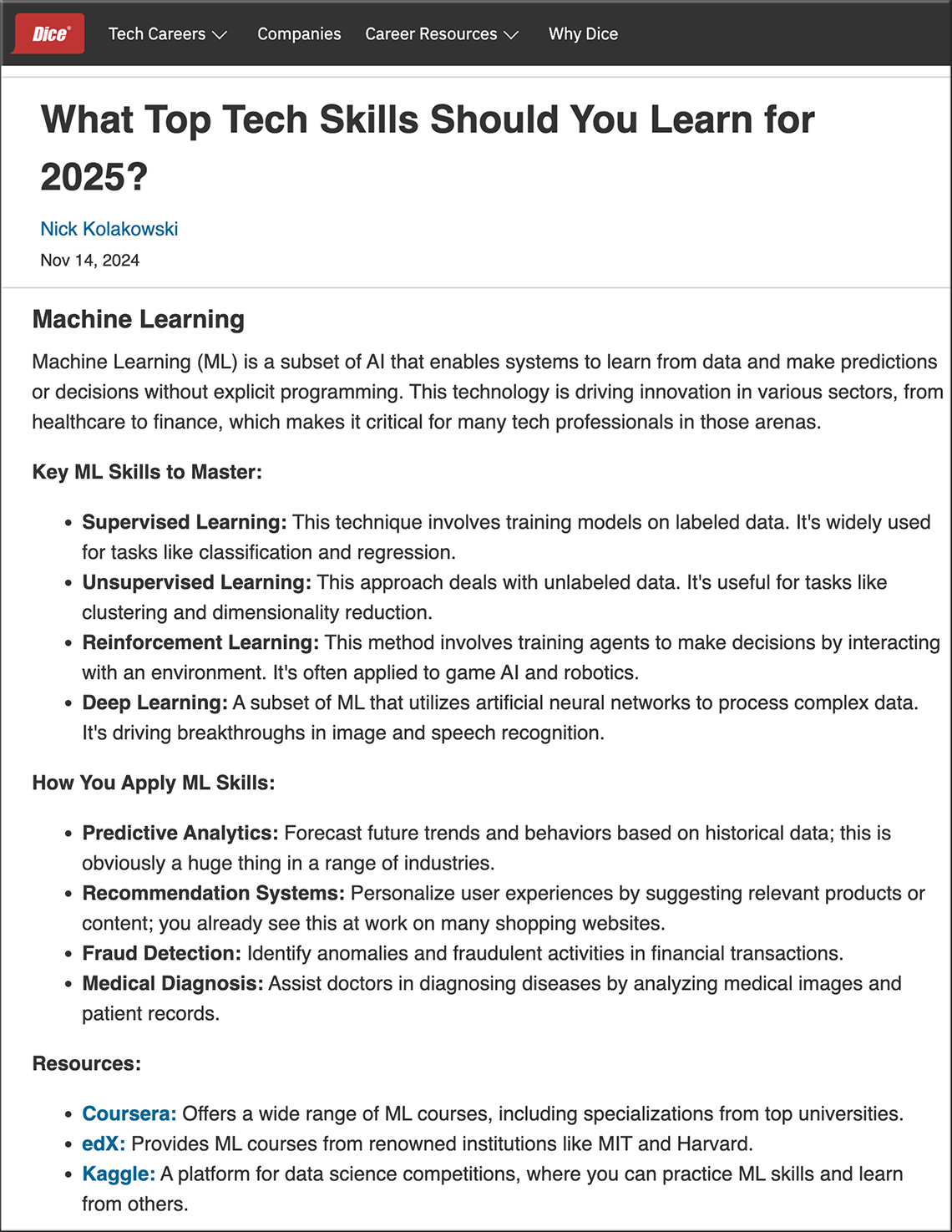
What Top Tech Skills Should You Learn for 2025? — from dice.com by Nick Kolakowski


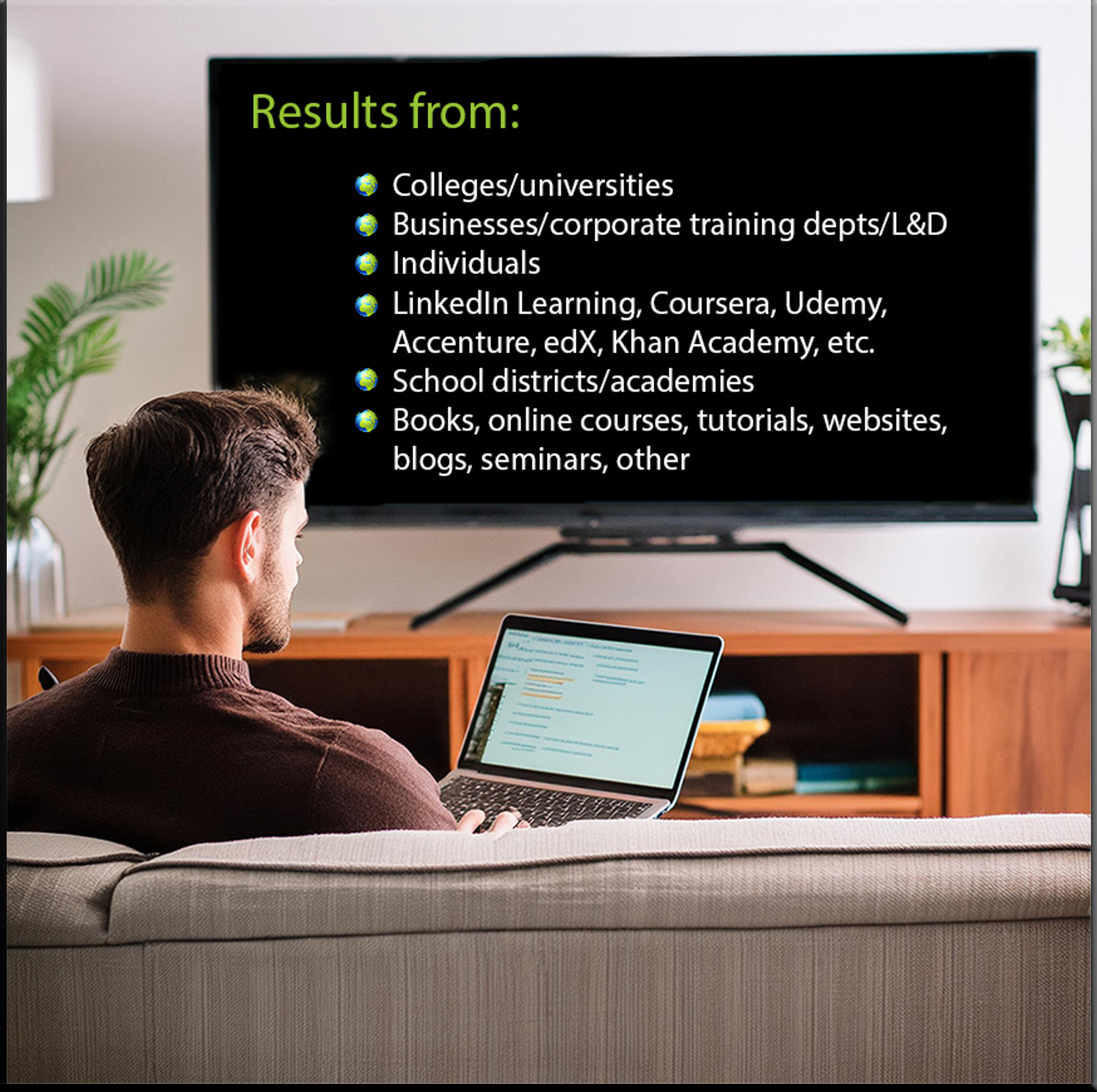
…you will see that they outline which skills you should consider mastering in 2025 if you want to stay on top of the latest career opportunities. They then list more information about the skills, how you apply the skills, and WHERE to get those skills.

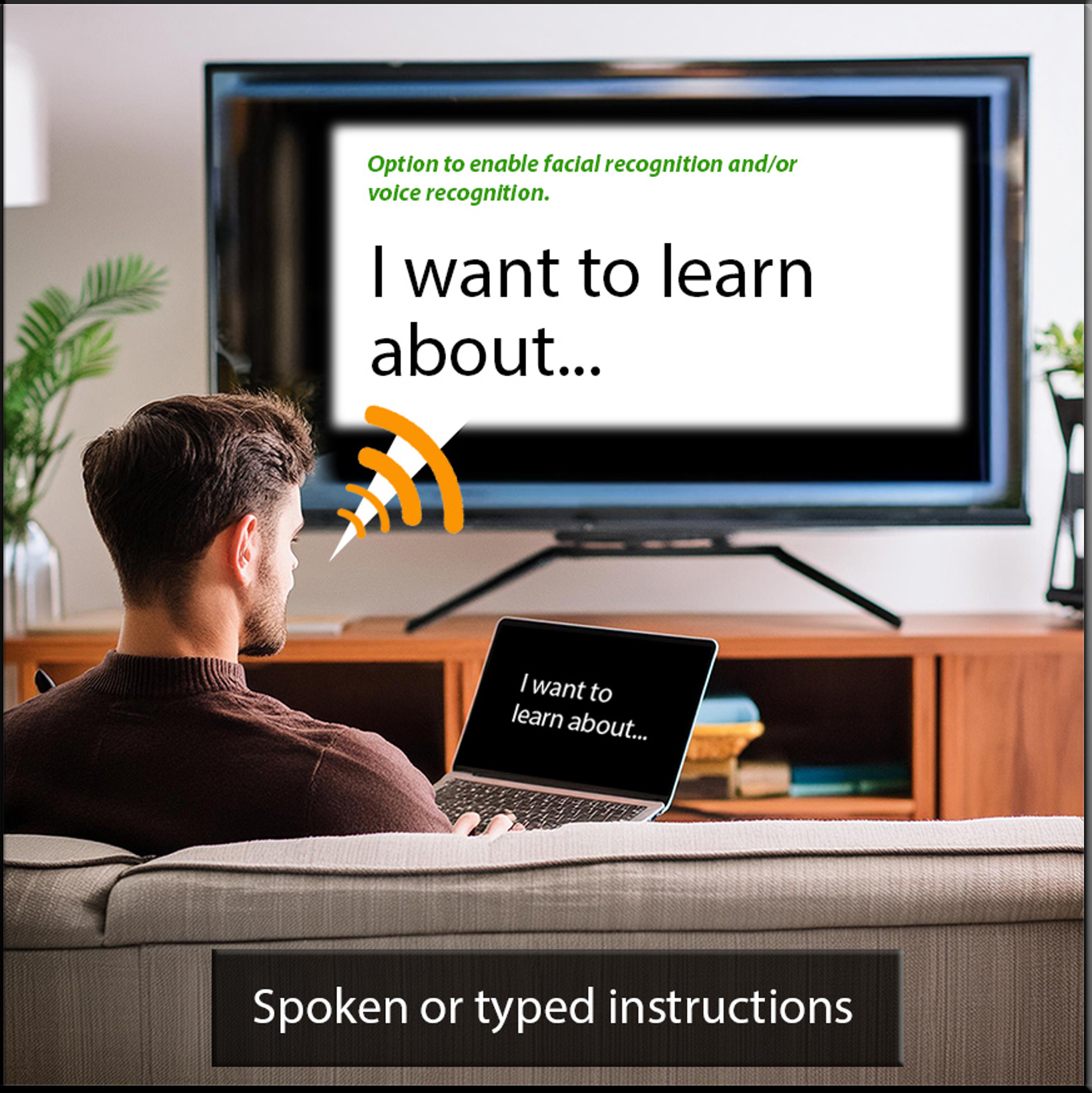
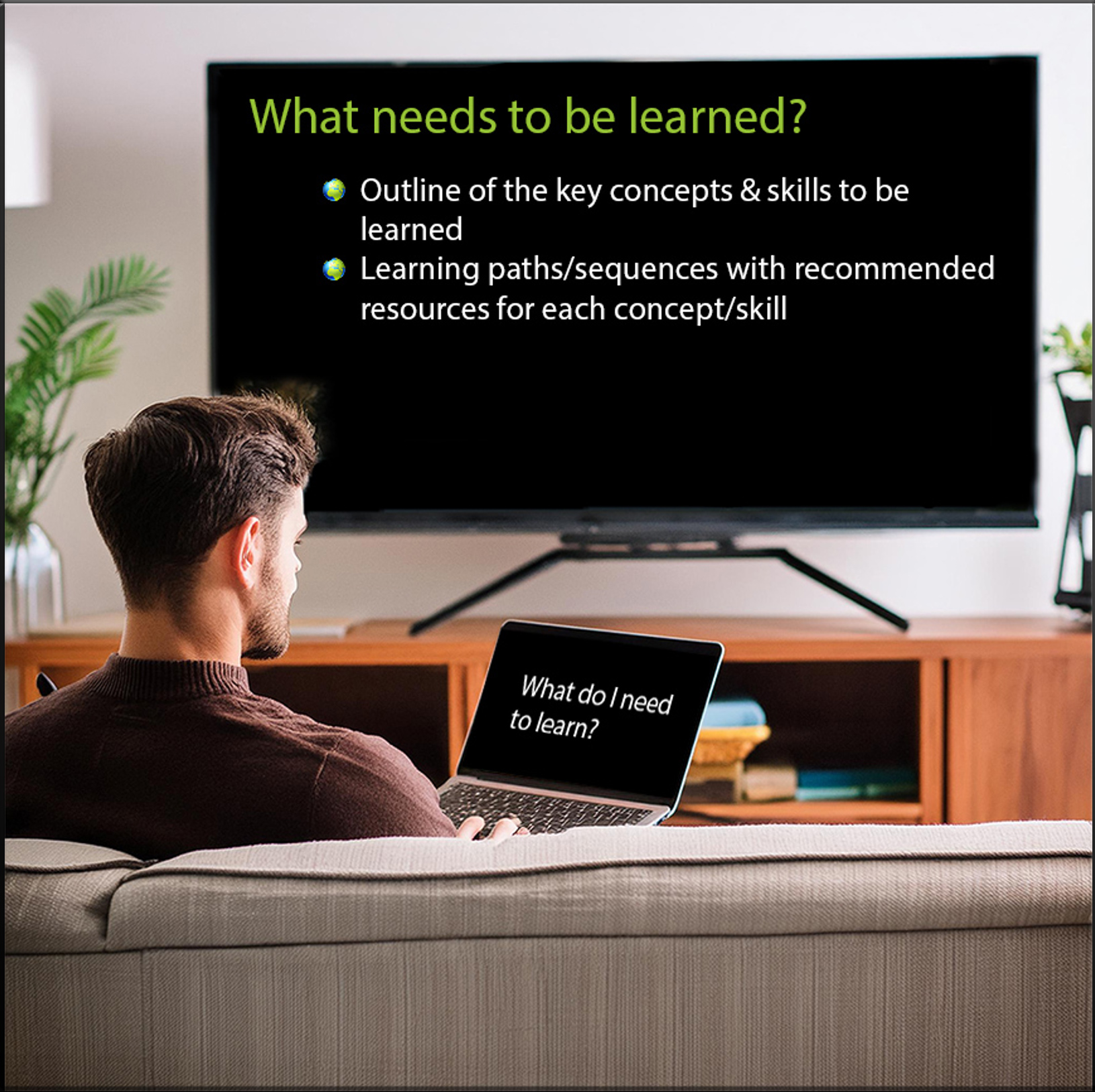
I assert that in the future, people will be able to see this information on a 24x7x365 basis.

  • Which jobs are in demand?
  • What skills do I need to do those jobs?
  • WHERE do I get/develop those skills?


And that last part (about the WHERE do I develop those skills) will pull from many different institutions, people, companies, etc.

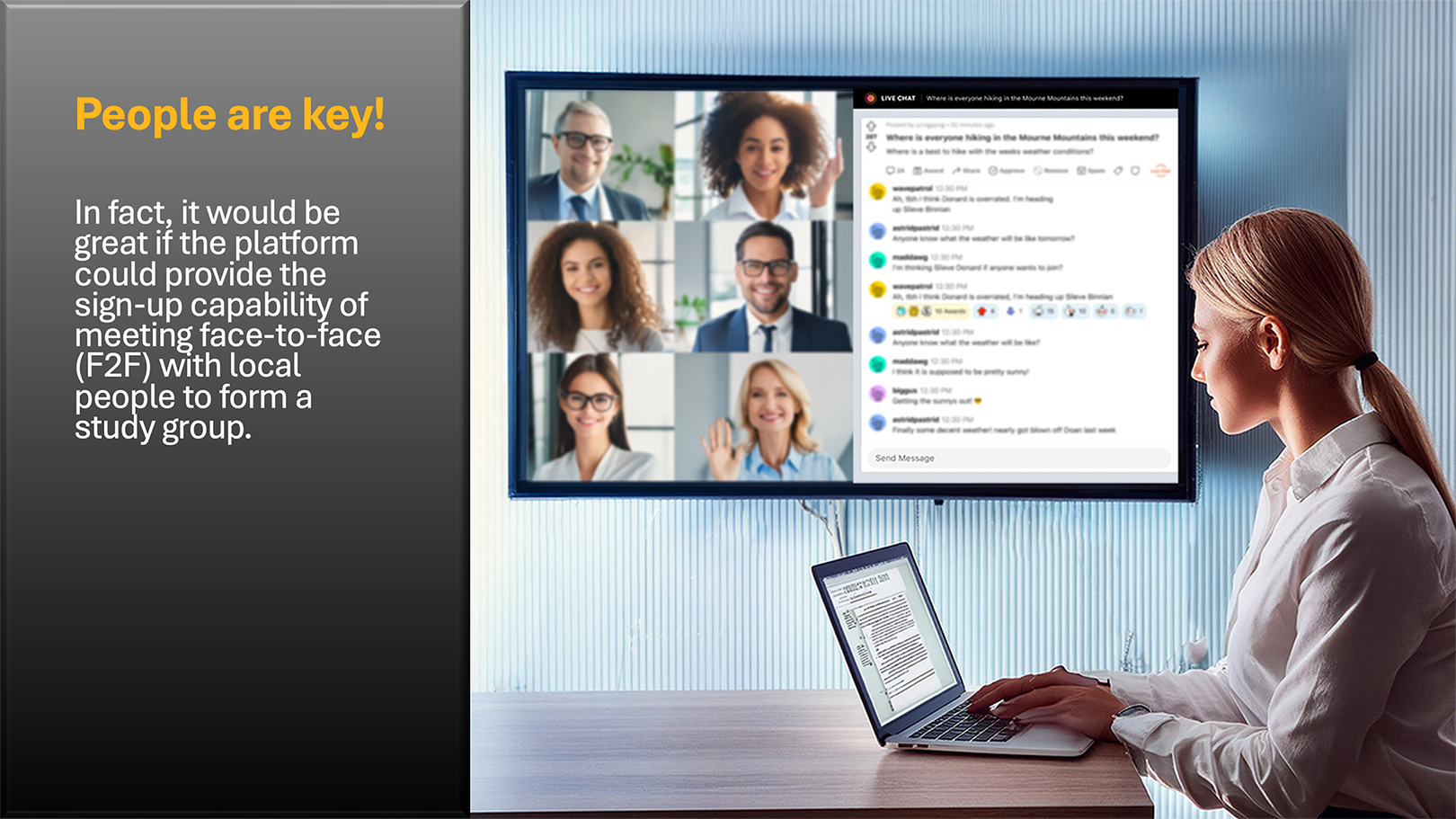
BUT PEOPLE are the key! Oftentimes, we need to — and prefer to — learn with others!


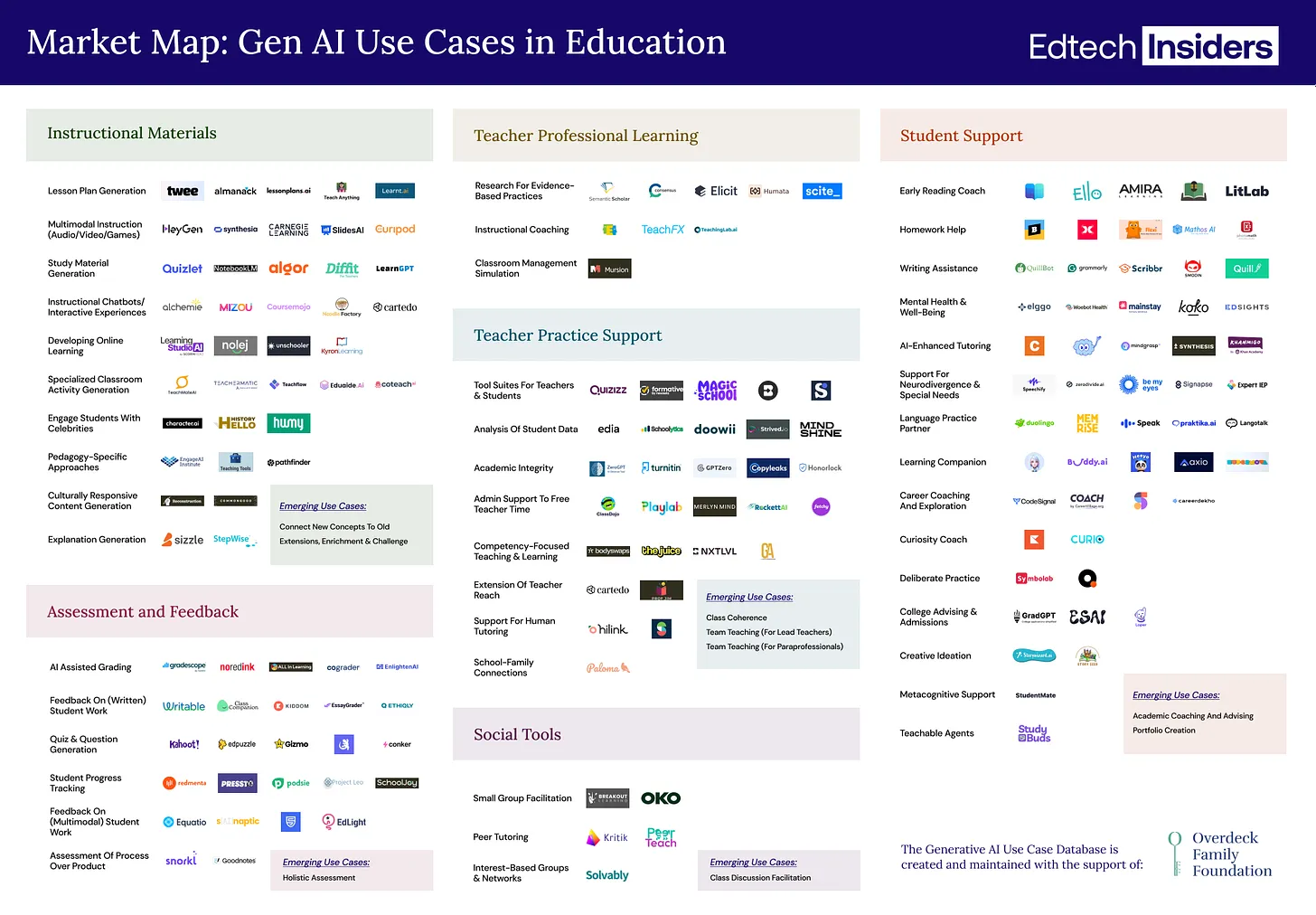
The Edtech Insiders Generative AI Map — from edtechinsiders.substack.com by Ben Kornell, Alex Sarlin, Sarah Morin, and Laurence Holt
A market map and database featuring 60+ use cases for GenAI in education and 300+ GenAI powered education tools.


A Student’s Guide to Writing with ChatGPT— from openai.com

Used thoughtfully, ChatGPT can be a powerful tool to help students develop skills of rigorous thinking and clear writing, assisting them in thinking through ideas, mastering complex concepts, and getting feedback on drafts.

There are also ways to use ChatGPT that are counterproductive to learning—like generating an essay instead of writing it oneself, which deprives students of the opportunity to practice, improve their skills, and grapple with the material.

For students committed to becoming better writers and thinkers, here are some ways to use ChatGPT to engage more deeply with the learning process.


Community Colleges Are Rolling Out AI Programs—With a Boost from Big Tech — from workshift.org by Colleen Connolly

The Big Idea: As employers increasingly seek out applicants with AI skills, community colleges are well-positioned to train up the workforce. Partnerships with tech companies, like the AI Incubator Network, are helping some colleges get the resources and funding they need to overhaul programs and create new AI-focused ones.

Along these lines also see:

Practical AI Training — from the-job.beehiiv.com by Paul Fain
Community colleges get help from Big Tech to prepare students for applied AI roles at smaller companies.

Miami Dade and other two-year colleges try to be nimble by offering training for AI-related jobs while focusing on local employers. Also, Intel’s business struggles while the two-year sector wonders if Republicans will cut funds for semiconductor production.


Can One AI Agent Do Everything? How To Redesign Jobs for AI? HR Expertise And A Big Future for L&D. — from joshbersin.com by Josh Bersin

Here’s the AI summary, which is pretty good.

In this conversation, Josh Bersin discusses the evolving landscape of AI platforms, particularly focusing on Microsoft’s positioning and the challenges of creating a universal AI agent. He delves into the complexities of government efficiency, emphasizing the institutional challenges faced in re-engineering government operations.

The conversation also highlights the automation of work tasks and the need for businesses to decompose job functions for better efficiency.

Bersin stresses the importance of expertise in HR, advocating for a shift towards full stack professionals who possess a broad understanding of various HR functions.

Finally, he addresses the impending disruption in Learning and Development (L&D) due to AI advancements, predicting a significant transformation in how L&D professionals will manage knowledge and skills.


© 2025 | Daniel Christian