Podcasts For High School Students — from teachthought.com by Dennis Lee,
Categories covered include:
- Academic Related Podcasts
- General and Special Interest Podcasts
- Entrepreneurship
- Inspirational & Motivational
45 Next Generation Learning Tools That Kids Will Love — from ireviews.com with thanks to Alex Ward for this resource
Excerpts:
There’s a wide range of tools designed to support curriculum and help teachers and students achieve their goals. These are our top picks for school students of every age, due to their impressive functionality and simple integration into the classroom.
From DSC:
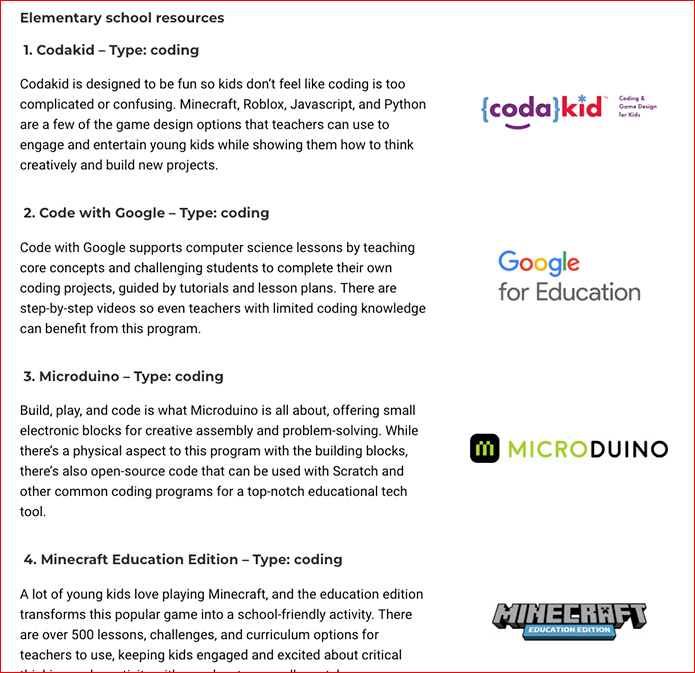
Below is a sample screenshot from the Elementary school resources section. They also have resources for middle schoolers and high schoolers.
The art of writing funding applications — from itsnicethat.comby Isra Al Kassi
Applying for funding is a skill with its own unique processes and vocabulary that many find insurmountable. But fear no more: TAPE Collective’s Isra Al Kassi is here to offer her tips for navigating that tricky terrain in a way that works for you.
Excerpt:
With more and more creatives breaking free from institutions and traditional employment there is a greater demand than ever to secure funding to turn a passion project into a sustainable endeavour. Whether tripping over the language used, or being overwhelmed with the sheer information asked for, applying for funding is rarely a straightforward process and comes with barriers which has creatives losing hope at ever having the resources to attempt an application.
It’s true what they say: writing funding applications is a skill. There’s a procedure and language in place which you, unfortunately, have to learn and use but that’s not to say that your passion, and urgency shouldn’t seep through those very words. Ultimately there is a need for your project to exist, and a need for it to be funded: express that clearly.
An Incomplete List of Women Writers Who Inspire — from blog.edmentum.com by Winnie O’Leary
Excerpt:
I don’t know about you, but I have been to dinner parties where we talk about creating a “desert island booklist,” but we never get to a consensus on how many should be on that list. I am pretty sure it would be my fault that if the boat sinks and we are forced onto that desert island, it would be because I brought too many books.
To avoid this scenario, and in recognition of National Reading Month and National Women’s History Month (both in March), I thought I would make a list. I am limiting it to female writers or strong female characters.
When looking at the Pulitzer Prize for Fiction, the National Book Awards, and the Booker Prize, you will notice that the female winners are densely packed into the last 30 years. This is a very incomplete list, but a carefully selected collection.
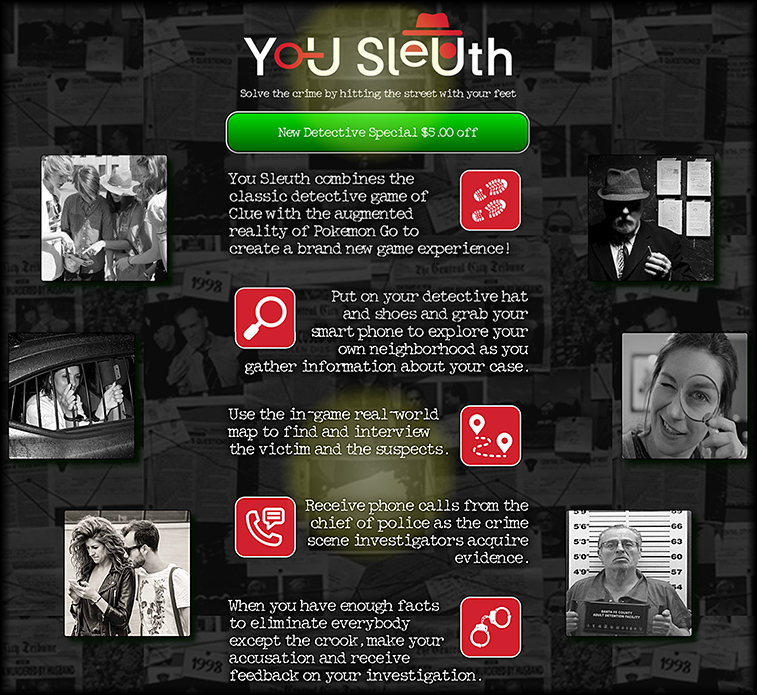
You Sleuth is a family-friendly outdoor game that requires a moderate amount of walking. You can play by yourself or with a group of friends or family. If you are looking for something new that will stimulate your mind while sneaking in a little exercise and fresh air then register today. Read the rest of the FAQ for more details about how You Sleuth works.
From DSC:
What might this look/work like for learning-related applications? Also, if you are studying to be an actor or actress, might there be some new opportunities for you here!? If you are a writer, might there be some new sorts of collaborations opening up here? As the next version of the internet is developed, what new affordances/opportunities might exist in this area?
Universal Dyslexia Screening: What You Need to Know — from techlearning.com by Erik Ofgang
Universal dyslexia screening can help school districts identify students who are at risk and provide additional support, even though it is not required in every state.
Excerpt:
Dyslexia affects approximately 20 percent of the population and accounts for 80 to 90 percent of learning disabilities, according to the Yale Center for Dyslexia & Creativity. Early recognition of the risk for dyslexia and other word-level disabilities through universal screening in kindergarten, and then providing those students with intensive intervention, is a key early literacy strategy, says the National Center on Improving Literacy in a white paper.
Rethinking the Faculty Role in Students’ Career Readiness — from insidehighered.com by Rachel Toor; with thanks to Ryan Craig for this solid, well-written resource
It’s time for all of us on campuses, not just the people in career services, to step up and help offer the competencies employers say they’re looking for, Rachel Toor writes.
Excerpts:
Career centers on campuses can offer students coaching, resources and connections. But, as Angle points out, they tend to be a just-in-time service. They are also, he says, “scary places for a lot of students.” Many young people don’t want to face the reality of life after graduation. Often, it’s a case of too little, too late.
Instead, they come to people they know—professors like me—for help with cover letters and résumés. And while I can comment on language, until recently I had no idea about how most résumés are read first by a version of R2-D2 and his little robot friends who make up automated tracking systems. If an applicant doesn’t include the right keywords in a résumé or cover letter, into the trash bin they go.
The truth is, I have not applied for a job in 15 years; for many of my colleagues it’s been even longer, and some of them have never worked outside academe. It’s not surprising that employers are seeing recent college grads—smart students, hard workers—who don’t know how to present themselves as potential employees.
From DSC:
I can relate to that part about R2-D2 reading the resumes first (i.e., trying to get by the Applicant Tracking Systems before one’s resume ever makes it in front of the eyes of a fellow human being). Many faculty/staff members and members of administrations haven’t been out interviewing in a long while. So it can be a rude awakening when they/we need to do that.
Also, I wanted to say that it’s not fair to assess the learners coming out of higher education using a different set of learning objectives:
As I’ve said on this blog before, this disconnect is not fair to the students/graduates. We need more mechanisms by which faculty and staff members within higher ed can work more collaboratively with those within the corporate world to better align the learning objectives and the curriculum being covered. If this doesn’t occur more frequently, the constant appearance and growth of new alternatives will likely continue to build further momentum (as they should, given the incredibly steep price of obtaining a degree these days!).
P.S. This disconnect of learning objectives can also be found in what happens with legal education — including having to pass today’s Bar Exams — and then these graduates get out into the real world to find employers who are frustrated that these graduates don’t have the “right”/necessary skills.
“The incentive structure is for law schools to teach students how to pass the bar exam, not necessarily to do the things that employers expect,” Gallini said.
A quote from this article, which I also
want to thank Ryan Craig for.
The Humanities May Be Declining at Universities — But They’re Thriving on Zoom — from edsurge.com by Rebecca Koenig
Excerpt:
Throughout the pandemic, versions of this close-reading conversation have taken place week after week. Organized through new nonprofits and small startups including the Catherine Project, Night School Bar and Premise, they bring together adults who want to spend their free time talking to strangers about literature and philosophy.
It sounds at first like an ambitious book club—except for the fact that many of these seminars are organized and led by college professors, some so eager to participate that they do it for free.
“Mostly it’s a way for them to do a kind of teaching they can’t do at their regular jobs,” explains Zena Hitz, founder of the Catherine Project and a tutor (faculty member) at St. John’s College in Annapolis, Maryland.
From DSC:
I’ve often thought that online-based learning may be the thing that saves the liberal arts (i.e., available throughout one’s lifetime and would be far less expensive). It would be ironic though, as many liberal arts institutions have not been proponents of online-based learning.
Inspire, Create & Celebrate: 6 Steps to turn your Library Learning Commons (LLC) into a place where students want to be! — by Mira Campbell
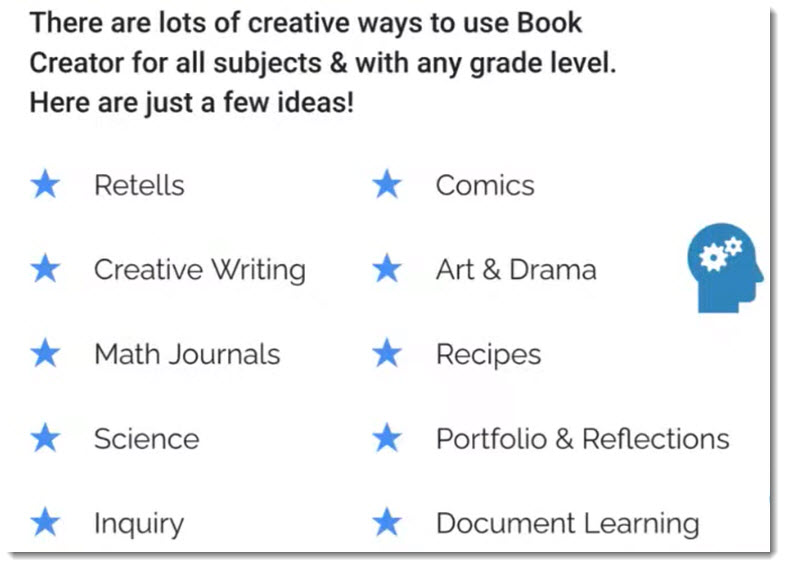
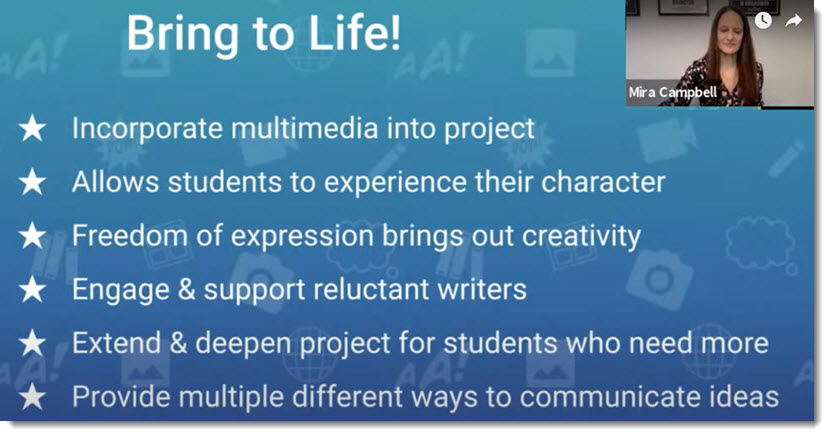
Also see/get: