Microsoft’s new ChatGPT competitor… — from The Rundown AI
The Rundown: Microsoft is reportedly developing a massive 500B parameter in-house LLM called MAI-1, aiming to compete with top AI models from OpenAI, Anthropic, and Google.
Hampton runs a private community for high-growth tech founders and CEOs. We asked our community of founders and owners how AI has impacted their business and what tools they use
Here’s a sneak peek of what’s inside:
The budgets they set aside for AI research and development
The most common (and obscure) tools founders are using
Measurable business impacts founders have seen through using AI
Where they are purposefully not using AI and much more
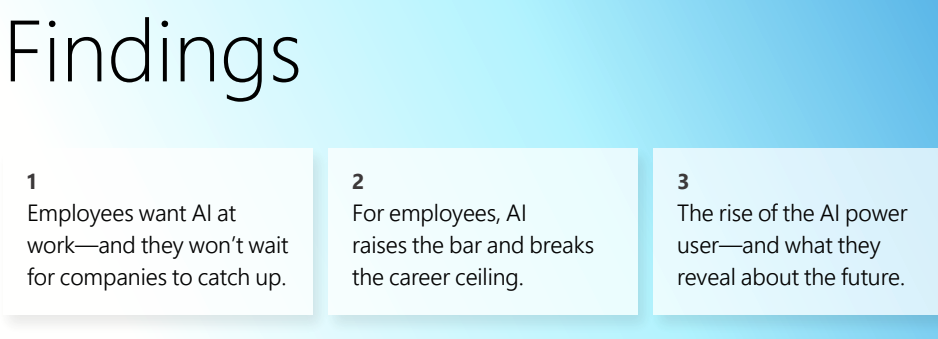
To help leaders and organizations overcome AI inertia, Microsoft and LinkedIn looked at how AI will reshape work and the labor market broadly, surveying 31,000 people across 31 countries, identifying labor and hiring trends from LinkedIn, and analyzing trillions of Microsoft 365 productivity signals as well as research with Fortune 500 customers. The data points to insights every leader and professional needs to know—and actions they can take—when it comes to AI’s implications for work.
AI Resources and Teaching | Kent State University offers valuable resources for educators interested in incorporating artificial intelligence (AI) into their teaching practices. The university recognizes that the rapid emergence of AI tools presents both challenges and opportunities in higher education.
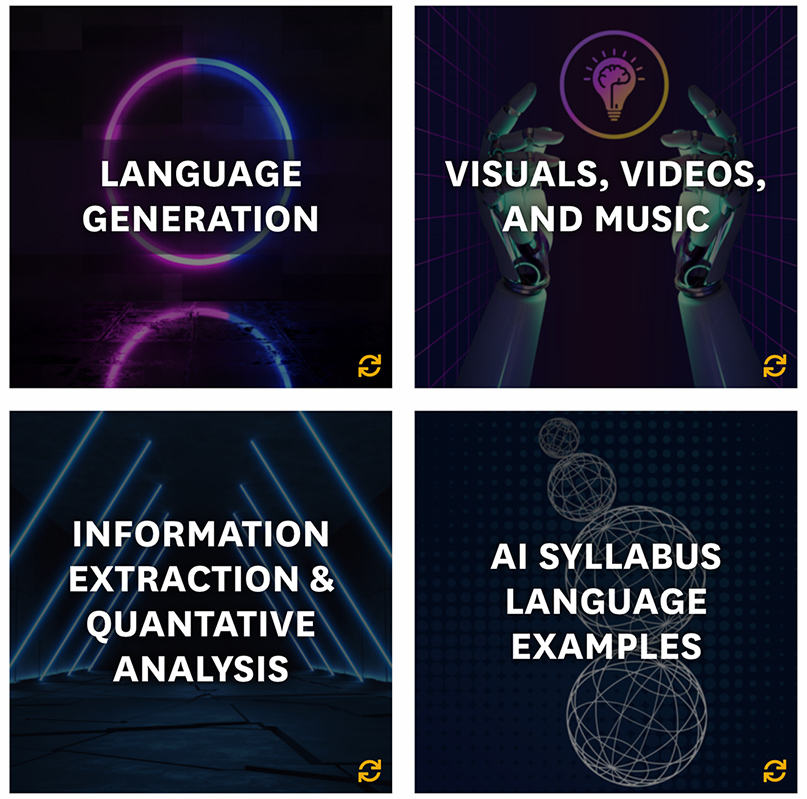
The AI Resources and Teaching page provides educators with information and guidance on various AI tools and their responsible use within and beyond the classroom. The page covers different areas of AI application, including language generation, visuals, videos, music, information extraction, quantitative analysis, and AI syllabus language examples.
For all its jaw-dropping power, Watson the computer overlord was a weak teacher. It couldn’t engage or motivate kids, inspire them to reach new heights or even keep them focused on the material — all qualities of the best mentors.
It’s a finding with some resonance to our current moment of AI-inspired doomscrolling about the future of humanity in a world of ascendant machines. “There are some things AI is actually very good for,” Nitta said, “but it’s not great as a replacement for humans.”
His five-year journey to essentially a dead-end could also prove instructive as ChatGPT and other programs like it fuel a renewed, multimillion-dollar experiment to, in essence, prove him wrong.
…
To be sure, AI can do sophisticated things such as generating quizzes from a class reading and editing student writing. But the idea that a machine or a chatbot can actually teach as a human can, he said, represents “a profound misunderstanding of what AI is actually capable of.”
Nitta, who still holds deep respect for the Watson lab, admits, “We missed something important. At the heart of education, at the heart of any learning, is engagement. And that’s kind of the Holy Grail.”
From DSC: This is why the vision that I’ve been tracking and working on has always said that HUMAN BEINGS will be necessary — they are key to realizing this vision. Along these lines, here’s a relevant quote:
Another crucial component of a new learning theory for the age of AI would be the cultivation of “blended intelligence.” This concept recognizes that the future of learning and work will involve the seamless integration of human and machine capabilities, and that learners must develop the skills and strategies needed to effectively collaborate with AI systems. Rather than viewing AI as a threat to human intelligence, a blended intelligence approach seeks to harness the complementary strengths of humans and machines, creating a symbiotic relationship that enhances the potential of both.
Per Alexander “Sasha” Sidorkin, Head of the National Institute on AI in Society at California State University Sacramento.
We keep breaking new ground in AI capabilities, and there seems little interest in asking if we should build the next model to be more life-like. You can now go to Hume.AI and have a conversation with an Empathetic Voice Interface. EVI is groundbreaking and extremely unnerving, but it is no more capable of genuine empathy than your toaster oven.
…
You can have the eLLM mimic a political campaign and call potential voters to sway their vote. You can do this ethically or program it to prey upon people with misinformation.
An eLLM can be used to socially engineer the public based on the values someone programs into it. Whose values, though?
Any company with a digital presence can use an eLLM like EVI to influence their customers. Imagine Alexa suddenly being able to empathize with you as a means to help persuade you to order more products.
An always-on, empathetic system can help a student stay on track to graduate or manipulate them into behaviors that erode their autonomy and free will.
Any foreign government could deploy such a system against a neighboring population and use empathy as a weapon to sow discontent within the opposing population.
From DSC: Marc offers some solid thoughts that should make us all pause and reflect on what he’s saying.
We can endlessly rationalize away the reasons why machines possessing such traits can be helpful, but where is the line that developers and users of such systems refuse to cross in this race to make machines more like us?
Marc Watkins
Along these lines, also see:
Student Chatbot Use ‘Could Be Increasing Loneliness’ — from insidehighered.com by Tom Williams Study finds students who rely on ChatGPT for academic tasks feel socially supported by artificial intelligence at the expense of their real-life relationships.
…
They found “evidence that while AI chatbots designed for information provision may be associated with student performance, when social support, psychological well-being, loneliness and sense of belonging are considered it has a net negative effect on achievement,” according to the paper published in Studies in Higher Education.
Below are some items for those creatives who might be interested in telling stories, designing games, crafting audio-based experiences, composing music, developing new worlds using 3D graphics, and more.
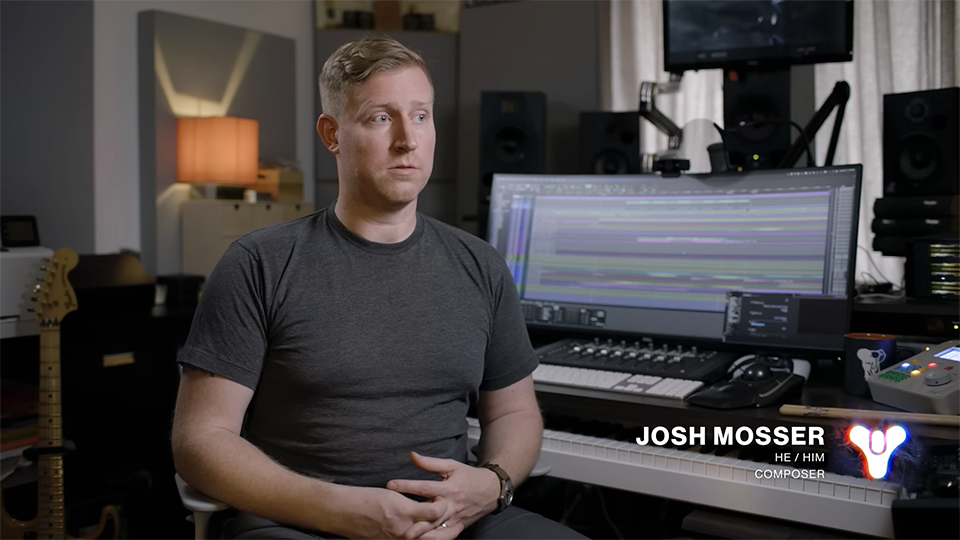
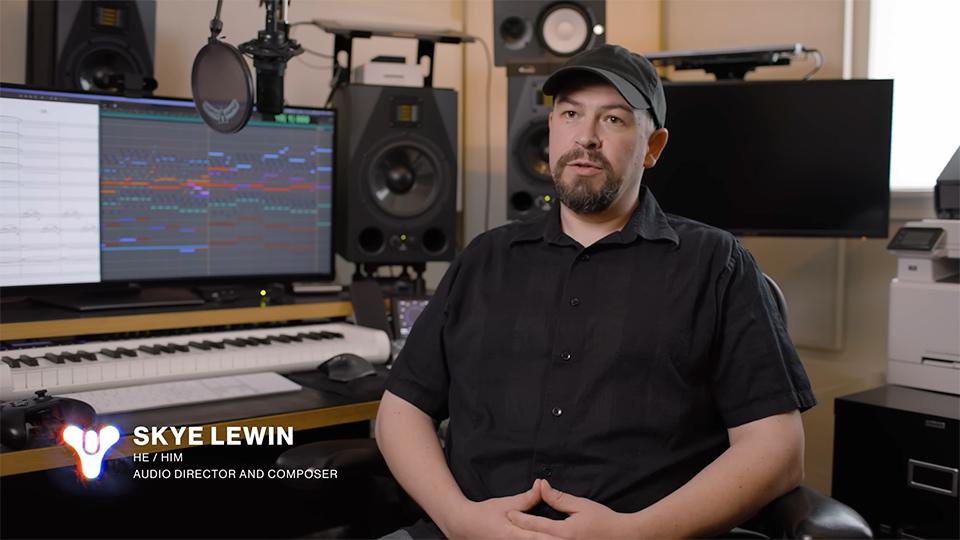
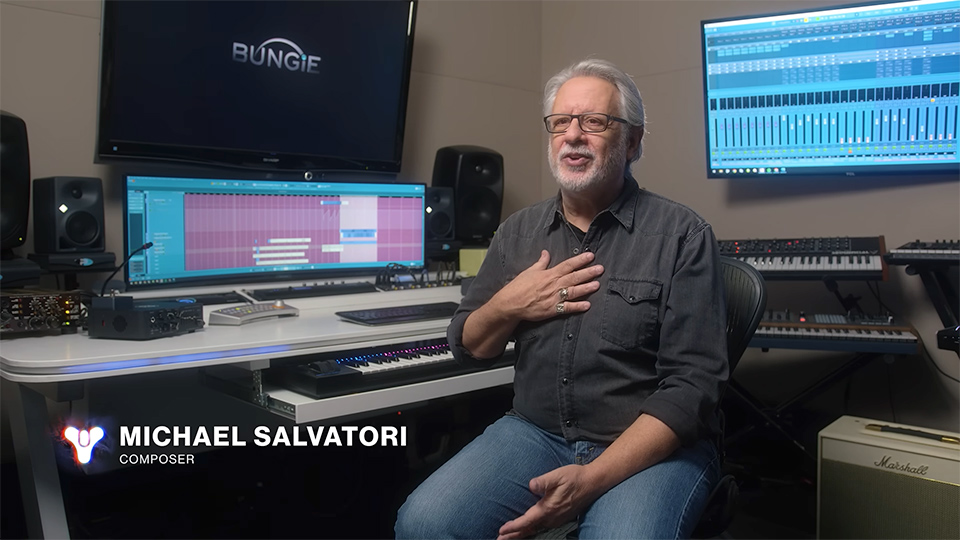
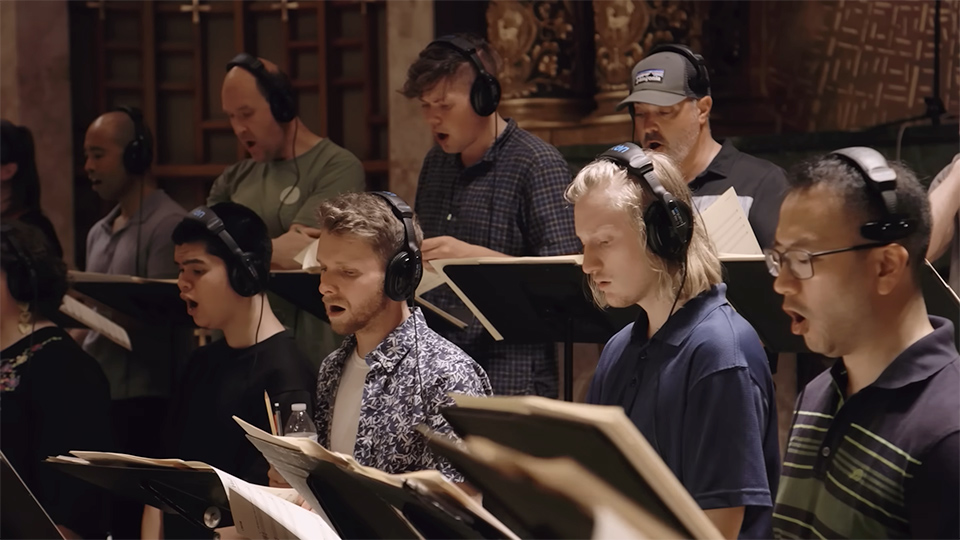
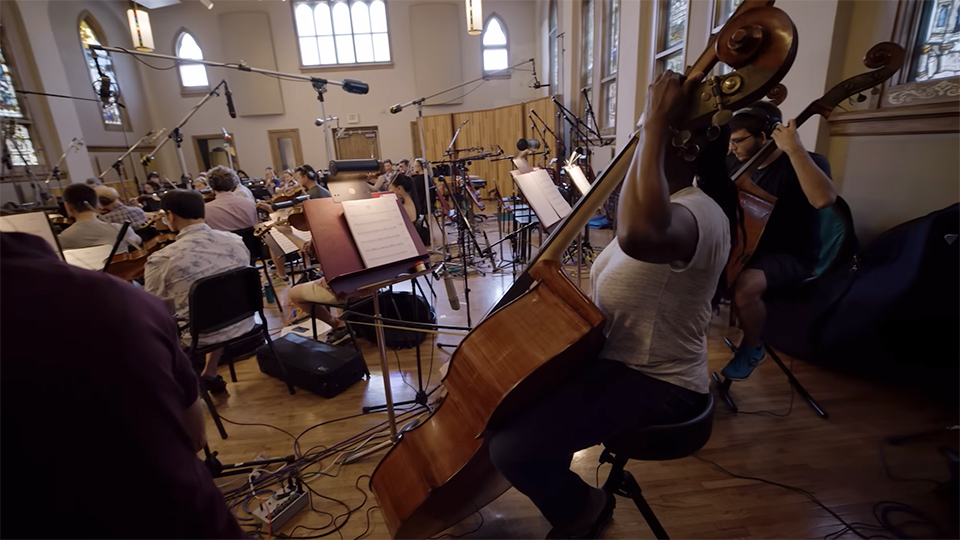
The sounds of any game can make or break the experience for its players. Many of our favorite adventures come roaring back into our minds when we hear a familiar melody, or maybe it’s a special sound effect that reminds us of our time performing a particularly heroic feat… or the time we just caused some havoc with friends. With Lightfall sending Guardians to explore the new destination of Neomuna, there’s an entire universe hidden away within the sounds—both orchestral and diegetic—for Guardians to uncover and immerse themselves in. We recently assembled some of Destiny’s finest sound designers and composers to dive a little bit deeper into the stunning depths of Neomuna’s auditory experience.
Before diving into the interview with our incredible team, we wanted to make sure you have seen the Lightfall music documentary that went out shortly after the expansion’s release. This short video is a great introduction to how our team worked to create the music of Lightfall and is a must-see for audiophiles and Destiny fans alike.
Every game has a story to tell, a journey to take players through that — if done well — can inspire wonderful memories that last a lifetime. Unlike other storytelling mediums, the art of video games is an intricate interweaving of experiences, including psychological cues that are designed to entrance players and make them feel like they’re a part of the story. One way this is achieved is through the art of audio. And no, we aren’t just talking about the many incredible soundtracks out there, we’re talking about the oftentimes overlooked universe of audio design.
… What does an audio designer do?
“Number one? We don’t work on music. That’s a thing almost everyone thinks every audio designer does,” jokes Nyte when opening up about beginning her quest into the audio world. “That, or for a game like Destiny, people just assume we only work on weapon sounds and nothing else. Which, [Juan] Uribe does, but a lot of us don’t. There is this entire gamut of other sounds that are in-game that people don’t really notice. Some do, and that’s always cool, but audio is about all sounds coming together for a ‘whole’ audio experience.”
On the Transformation of Entertainment
What company will be the Pixar of the AI era? What talent agency will be the CAA of the AI era? How fast can the entertainment industry evolve to natively leverage AI, and what parts will be disrupted by the industry’s own ambivalence? Or are all of these questions myopic…and should we anticipate a wave of entirely new categories of entertainment?
We are starting to see material adoption of AI tools across many industries, including media and entertainment. No doubt, these tools will transform the processes behind generating content. But what entirely new genres of content might emerge? The platform shift to AI-based workflows might give rise to entirely new types of companies that transform entertainment as we know it – from actor representation, Hollywood economics, consumption devices and experiences, to the actual mediums of entertainment themselves. Let’s explore just a few of the more edgy implications:
Generative AI (GAI) has the potential to disrupt fields such as architecture, design, and engineering by enabling users to quickly generate digital content in response to prompts.
GAI, represented by large language models like GPT-4, has shown remarkable capabilities in natural language processing, machine translation, and content generation.
GAI’s ability to produce thoughtful content and analysis at almost zero marginal cost is causing significant impact in global politics, industry, and culture.
The architecture, engineering, and construction (AEC) industry is already experiencing the effects of GAI, with concerns about job displacement and the use of AI-generated avatars.
GAI is compute-bound, leading to a high demand for computing power, particularly GPUs. However, emerging trends suggest that future developments will establish a
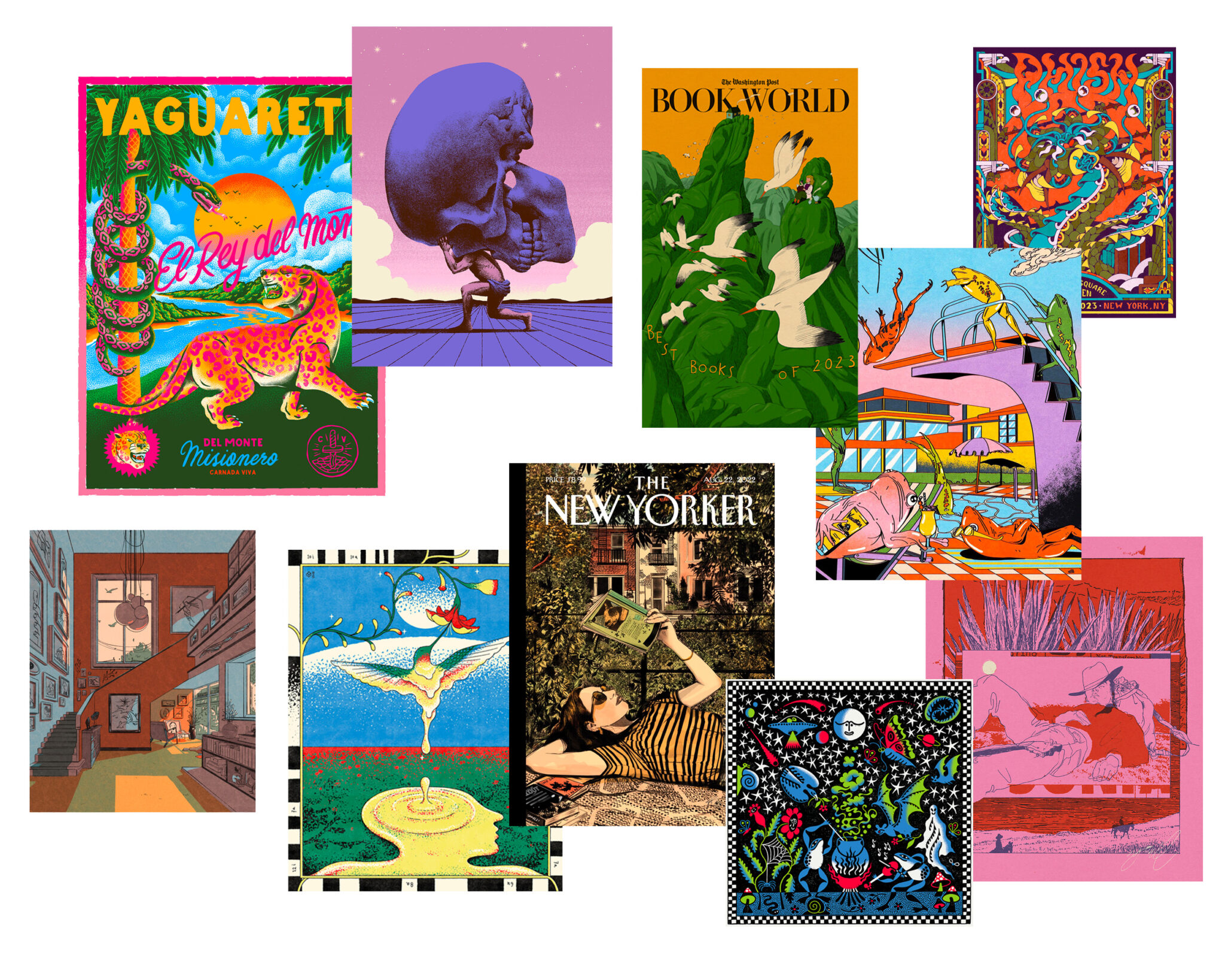
So you’ve just completed your latest creative project or maybe you’ve been building up your portfolio for a while and finally feel ready to share, what next? It’s important to be confident and put yourself out there, but let’s first talk about what all this process entails in order to make the most of your time and energy.
This comprehensive guide includes a collection of websites and magazines that currently accept art and illustration submissions. Plus we’ll cover how and what to prepare before you start submitting to help you improve the quality of your submissions and give you a sense of what to expect throughout the entire process!
For the first time, a physical neural network has successfully been shown to learn and remember “on the fly,” in a way inspired by and similar to how the brain’s neurons work.
The Rundown: University of Sydney researchers have created a “brain-like” nanowire network capable of learning and remembering in real-time, similar to that of human brain function.
The details:
The nanowire neural network self-organizes into patterns, functioning like the brain’s synapses by responding to electrical currents.
Graphic Design Trends 2024 – The Great Reset — from graphicmama.com by Lyudmil Enchev 2024 will be a year of revolution in graphic design, and we are about to share with you why and how trends in graphic design will totally change 180 degrees.
Ways to use AI in 2023 in your designs:
Find inspiration for your designs
Give you ideas for concepts and compositions
Help you with choosing colors
Help you change backgrounds or retouch images
Help you with revisions and variations
Resize and recompose designs in different dimensions for different platforms
Create visuals for websites, marketing, and social media
Adobe is working on generative AI video manipulation — from theverge.com by Umar Shakir The company revealed Project Fast Fill, a new way to remove people, add objects, and replace colors in videos using generative AI and text-prompt interactions.
Adobe is showing off a new generative fill feature, Project Fast Fill, that can easily add or remove objects in videos with the power of AI. It’s one of several new, wild, experimental AI featuresannounced today at the company’s MAX conference. Project Fast Fill has the ability to swap in clothing accessories on people in motion or remove tourists from the background of a landscape pan.
Canva’s new AI tools automate boring, labor-intensive design tasks — from theverge.com by Jess Weatherbed Magic Studio features like Magic Switch automatically convert your designs into blogs, social media posts, emails, and more to save time on manually editing documents.
With the advancements in Artificial Intelligence (AI), designers now have access to a wide array of free AI-powered tools that streamline their creative process, enhance productivity, and add a touch of uniqueness to their designs. In this article, we will explore ten such free AI tools websites for graphic designing that have revolutionized the way designers approach their craft.
Generative Art in Motion— from heatherbcooper.substack.com by Heather Cooper Animation and video tools create an explosion of creative expression
Google will soon require that political ads using artificial intelligence be accompanied by a prominent disclosure if imagery or sounds have been synthetically altered.
AI-generated election ads on YouTube and other Google platforms that alter people or events must include a clear disclaimer located somewhere that users are likely to notice, the company said in an update this week to its political content policy.







:format(webp)/cdn.vox-cdn.com/uploads/chorus_asset/file/24976021/Canva_Magic_Studio.png)