


This Winery is a Stunning Blend of Architecture and Vineyards — from contemporist.com

This Winery is a Stunning Blend of Architecture and Vineyards — from contemporist.com
Artist Spotlight: Yuwei Tu — from booooooom.com

Artist Spotlight: Jay Stern — from booooooom.com
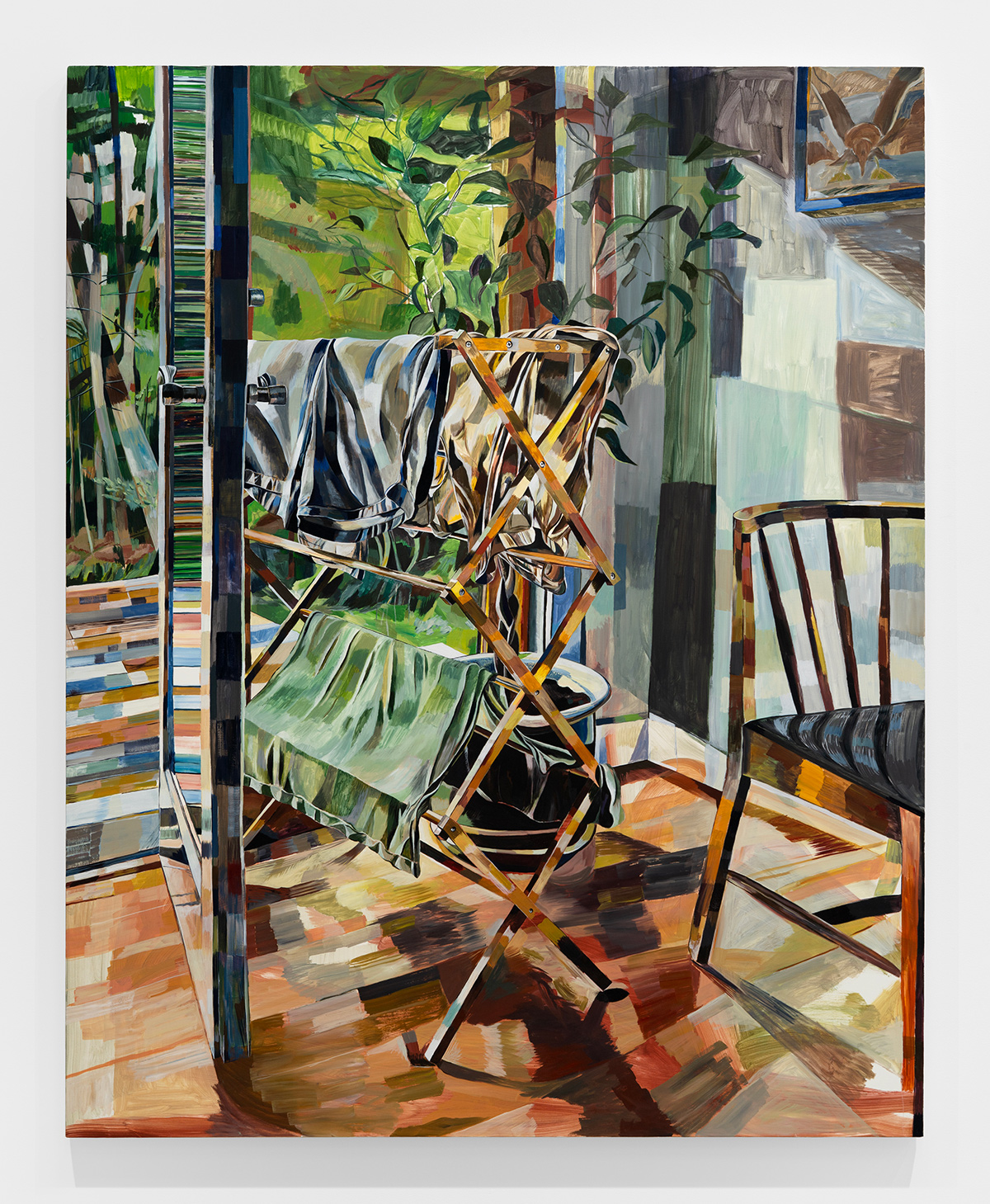
Whimsical and Wild, ‘Weird Buildings’ Celebrates Architects Who Think Outside the Box — from thisiscolossal.com by Kate Mothes

Experimenting with Color and Reflection, Kenny Harris Brews Beautiful Still Lifes — from thisiscolossal.com by Kenny Harris and Kate Mothes

Gabrielle Garland’s House Portraits Illuminate Daily Life, Individuality, and the ‘Fabric of Society’ — from thisiscolossal.com by Garbrielle Garland and Kate Mothes

The No Bulls**t Guide To Drawing Tablets — from booooooom.com
SO WHICH DEVICE SHOULD YOU BUY?
If you’re anything like me, the answer is an iPad AND a drawing display. I heavily rely on both my desktop apps and Procreate, so limiting myself to only one device doesn’t cut it for my creative workflow.
However, it all comes down to personal preference and understanding which apps you rely on, whether portability is essential, how vital ergonomics are, and ultimately what you can afford. Once you answer those questions, everything falls into place.


What a beautiful visualization ? pic.twitter.com/A10vpOoBdr
— Love Music (@khnh80044) July 7, 2025
Get Up Close to Frank Lloyd Wright’s Unrealized Buildings with David Romero’s Digital Models — from thisiscolossal.com by Kate Mothes and David Romero
.

.
Hew Locke’s ‘Odyssey’ Flotilla Sails Through Global Colonial History and Current Affairs — from thisiscolossal.com by Hew Locke & Kate Mothes
.

.
A Rippling Townhouse Facade by Alex Chinneck Takes a Seat in a London Square — from thisiscolossal.com by Alex Chinneck and Kate Mothes

In ‘The Quilters,’ Men in a Missouri Prison Sew Gifts for Children — from thisiscolossal.com by Grace Ebert
In a room bigger than most at South Central Correctional Center in Licking, Missouri, a group of men has volunteered for a creative project that stretches beyond prison walls. For about 40 hours each week, they cut and stitch quilts for children in foster care or with disabilities, sewing vibrant, patterned patchworks and finding joy and camaraderie while doing so.
The heavens declare the glory of God.https://t.co/Zy5ZYkMiAL
— Daniel S. Christian (@dchristian5) May 20, 2025
Excerpt:

Prompt Share: Embroidery
An embroidered [SUBJECT], with colorful threads mimicking painterly brushstrokes, varied thread thickness for shading, and expressive textile textures on fabric.
Both with MJ –p pic.twitter.com/kivaDgdYkX
— Alexandra Aisling (@AllaAisling) April 27, 2025
Culminating Art Projects That Boost Students’ Confidence — from edutopia.org by Mary Beth Hertz
At the end of the year, high school students enjoy the opportunity to create a final product dictated by their own interests.

Boosting Engagement by Taking Math Outdoors — from edutopia.org by Sandy Vorensky
Bringing elementary students outside for math lessons provides a welcome change of pace and a chance for new activities.

Using a School Mural Project to Showcase Students’ Growth — from edutopia.org by Gloria Sevilla
Step-by-step instructions from an elementary school educator whose annual mural assignment is displayed at the spring open house.
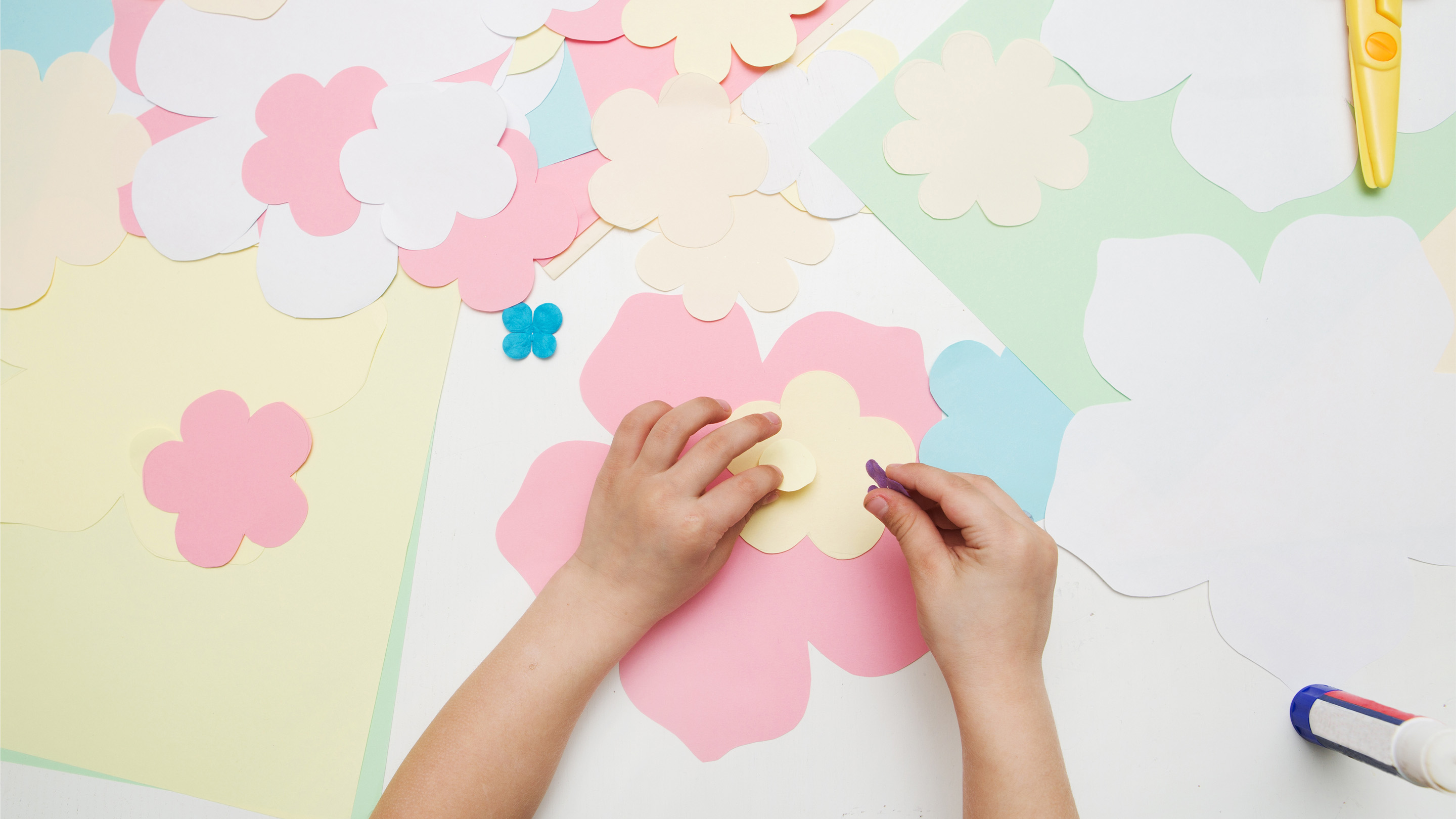
How to Help Students Avoid Procrastinating — from edutopia.org by Sarah Kesty
A simple strategy can help students map out their assignments in manageable chunks so they can stay on top of their work.
Long-term projects and assignments present a unique challenge for many students, requiring several layers of executive function skills, like planning and time management, to be able to manage steps over an extended period of time. Much to our frustration, students may procrastinate or avoid working on an assignment when it seems overwhelming. This can lead to late, missing, or incomplete work, or it can push students into a stressful all-nighter, as they complete an assignment designed to take weeks in the span of just a few hours.
An effective way to address the challenges of overwhelm and procrastination—and a way that requires only a tweak to your teaching instead of another task on your plate—is to teach students to “scan and plan.” Scan and plans happen during the introduction of an assignment, usually one that takes more than a few steps. Teachers organically fold in the scan and plan approach as a layer to the assignment’s announcement to the class.