Kendall College of Art and Design spotlights sixteen student projects — from dezeen.com

Addendum on 9/26/22:
Ten student showcases from universities based in the USA — from dezeen.com

Kendall College of Art and Design spotlights sixteen student projects — from dezeen.com
Addendum on 9/26/22:
Ten student showcases from universities based in the USA — from dezeen.com


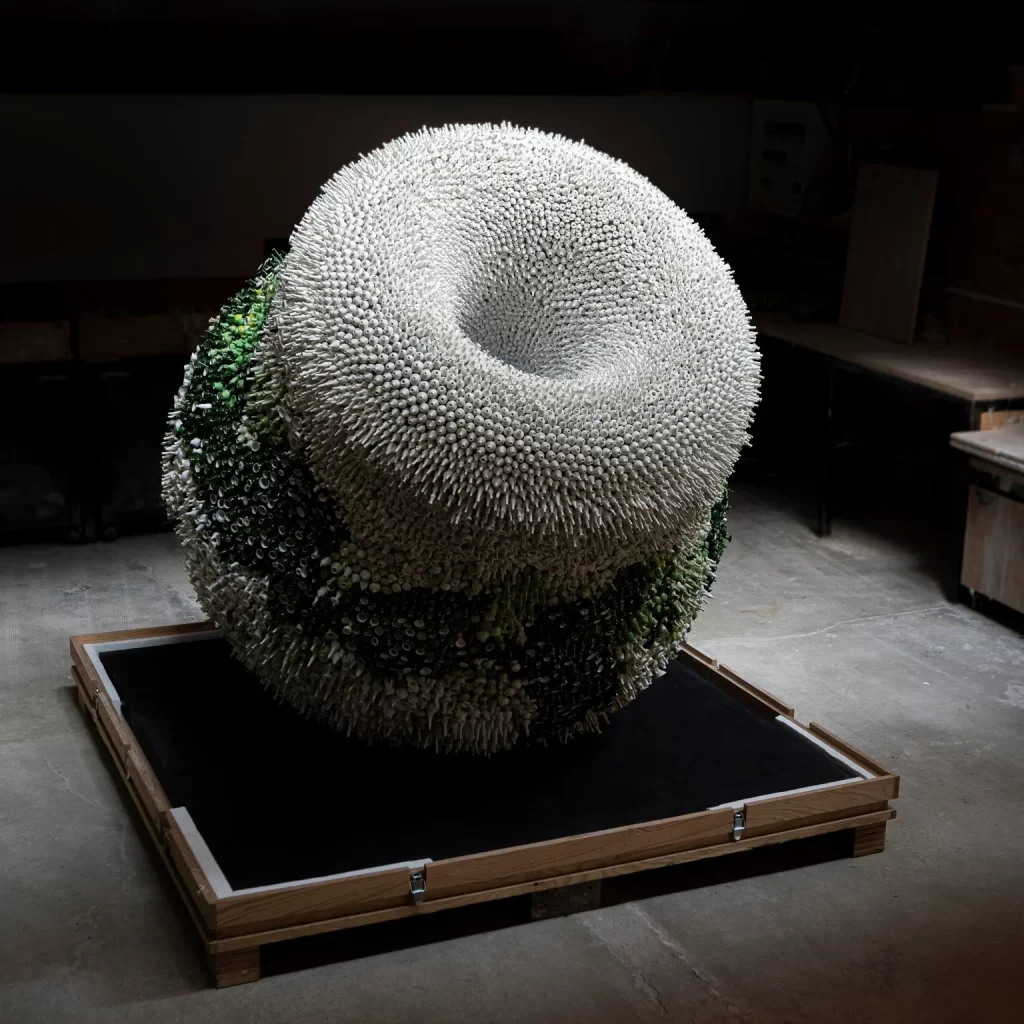
“I Am At The Service Of Ceramics”: A Conversation With Artist Grégoire Scalabre — from ignant.com by Devid Gualandris
Addendum on 4/19/22:
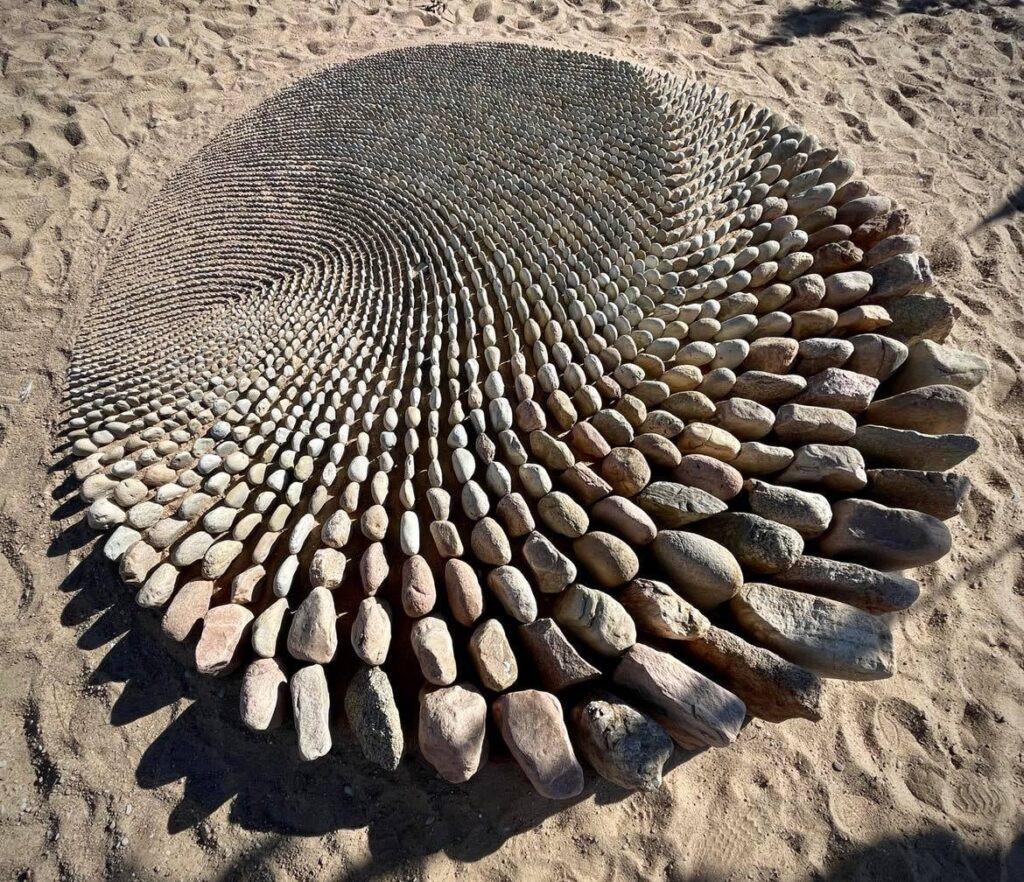
Densely Arranged Stone Gradients Sweep Across the Sand in Jon Foreman’s Extraordinary Land Art — from thisiscolossal.com by Grace Ebert
The top 5 benefits of art programs for children — from thetechedvocate.org by Matthew Lynch
Excerpt:
Schools across the country are removing art programs and classes. Some do so due to a lack of funding; others just don’t believe it’s an essential subject for children. Unfortunately, many schools and learning institutes don’t realize the dangers of removing art. You wouldn’t question Math or English as core subjects, but many question the importance of art.
Art nurture’s a child’s inner creativity. So, what benefits does art bring to a child?
45 Next Generation Learning Tools That Kids Will Love — from ireviews.com with thanks to Alex Ward for this resource
Excerpts:
There’s a wide range of tools designed to support curriculum and help teachers and students achieve their goals. These are our top picks for school students of every age, due to their impressive functionality and simple integration into the classroom.
From DSC:
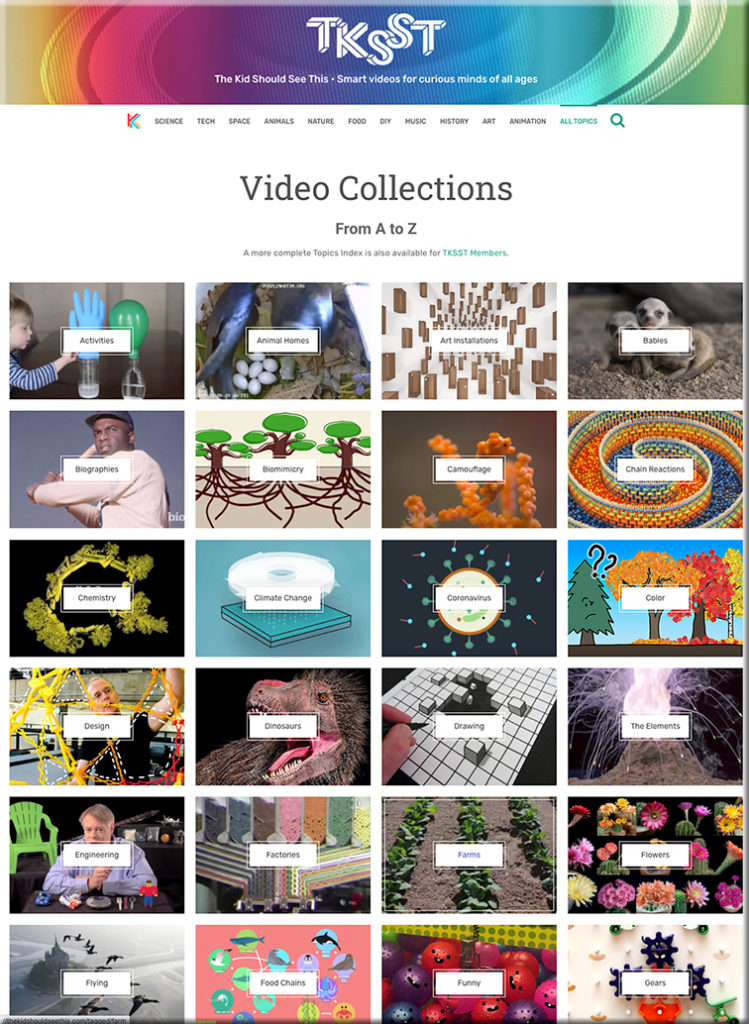
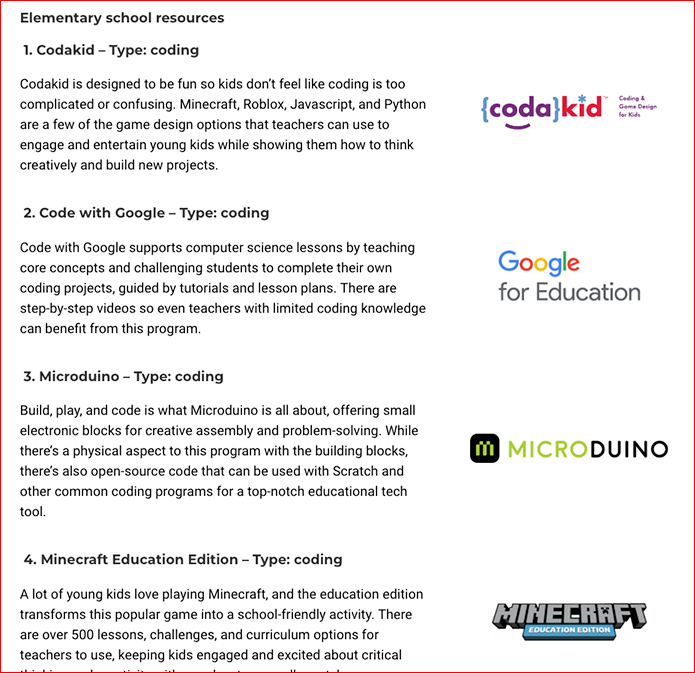
Below is a sample screenshot from the Elementary school resources section. They also have resources for middle schoolers and high schoolers.
Best Deaf Awareness Lessons & Activities — from techlearning.com by Diana Restifo
The following free deaf history and awareness lessons and activities highlight the accomplishments of deaf people in the arts, education, sports, law, science, and music.
The art of writing funding applications — from itsnicethat.comby Isra Al Kassi
Applying for funding is a skill with its own unique processes and vocabulary that many find insurmountable. But fear no more: TAPE Collective’s Isra Al Kassi is here to offer her tips for navigating that tricky terrain in a way that works for you.
Excerpt:
With more and more creatives breaking free from institutions and traditional employment there is a greater demand than ever to secure funding to turn a passion project into a sustainable endeavour. Whether tripping over the language used, or being overwhelmed with the sheer information asked for, applying for funding is rarely a straightforward process and comes with barriers which has creatives losing hope at ever having the resources to attempt an application.
It’s true what they say: writing funding applications is a skill. There’s a procedure and language in place which you, unfortunately, have to learn and use but that’s not to say that your passion, and urgency shouldn’t seep through those very words. Ultimately there is a need for your project to exist, and a need for it to be funded: express that clearly.


‘Real Time’ Uses Amusing Manual Techniques To Track the Passage of Each Minute — from thisiscolossal.com with Maarten Baas
Schiphol Clock from Maarten Baas on Vimeo.
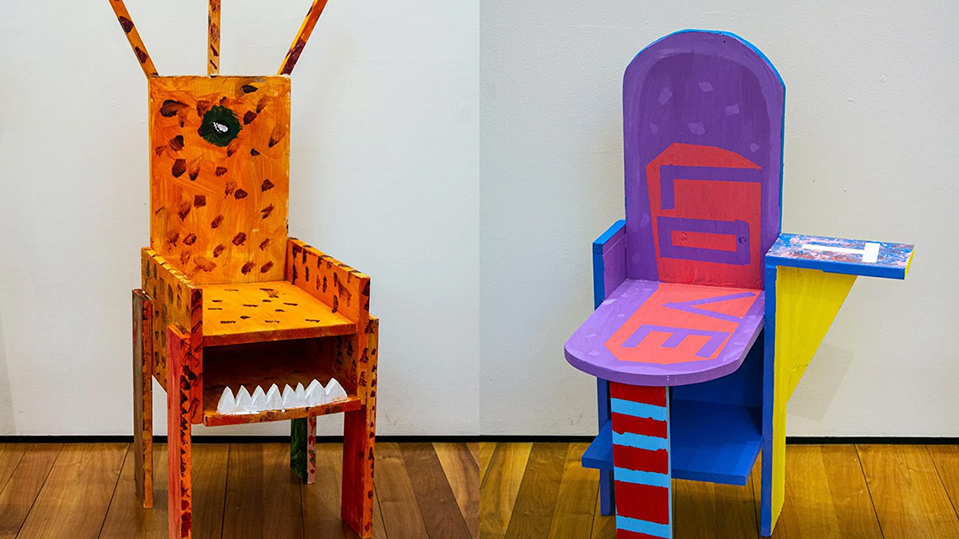
Kids’ creativity unleashed in hands-on chair design project — from dezeen.com by Rima Sabina Aouf